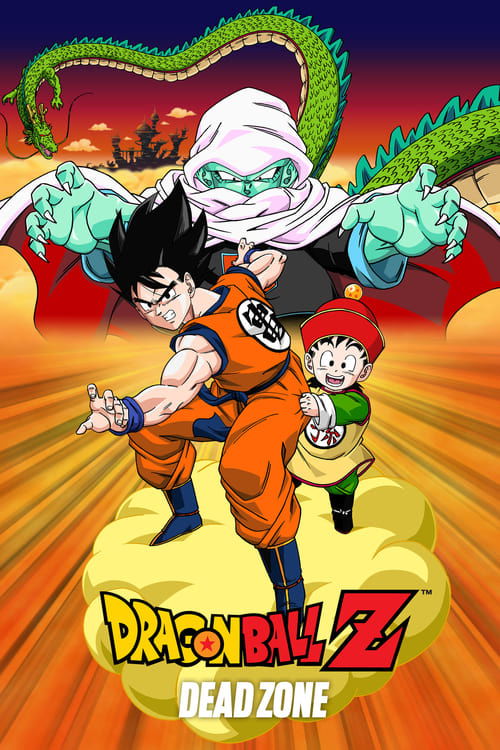
Dragon Ball Z: Dead Zone (1989)
Directed by Daisuke Nishio
No — Dragon Ball Z: Dead Zone is not woke, scoring 1 out of 100 on our wokeness meter.
Dragon Ball Z: Dead Zone arrives from 1989 with a clean conscience and a very short runtime.
Consciousness Markers
The entirely Japanese voice cast and characters (Goku, Piccolo, Krillin, Kami) reflect franchise convention rather than any deliberate diversity-casting effort; no such intent is present.
No LGBTQ+ characters, relationships, or themes appear anywhere in the film.
Chi-Chi exists only as a distressed mother; the narrative is a male-driven rescue-and-fight plot with no feminist commentary or agency politics.
No engagement with race, systemic discrimination, or racial identity; the conflict is purely familial and martial.
Environmental themes are entirely absent; the 'Dead Zone' is a mystical void, not an ecological allegory.
Wealth, class, and capitalism play no role in the story whatsoever; the villain seeks immortality, not profit.
No body-positivity messaging; Garlic Jr.'s muscular transformation is a standard power-up trope, not a statement about body image.
No neurodivergent characters or themes are present or implied.
The film invents an original villain and backstory unconnected to real history, offering no revisionist reframing of any historical event.
This is a brisk 1989 martial-arts action film with no didactic speeches or moralizing about contemporary social issues.
Why it received this score
Dragon Ball Z: Dead Zone arrives from 1989 with a clean conscience and a very short runtime. Garlic Jr. kidnaps Gohan, gathers the dragon balls, wishes for immortality, and receives a portal to nowhere for his trouble. The plot is familial, martial, and cosmic in the narrow franchise sense. It has no interest in the social questions of a later era, and no obligation to pretend otherwise. The entirely Japanese voice cast and characters reflect franchise convention, not a deliberate diversity-casting effort. Chi-Chi functions as a distressed mother while the men handle rescue and combat, which leaves no feminist agency politics to parse.
Race, class, and capitalism are absent from the conflict. Garlic Jr. wants immortality, not profit. The Dead Zone is a mystical void, not an ecological allegory, and the muscular final form is a standard power-up, not a statement on body image. There are no LGBTQ themes, no neurodivergent characters, and no revisionist engagement with real history. The villain and his backstory are invented, so history remains untouched. The film also declines to lecture. It is brisk, loud, and committed to fighting, which is its own kind of integrity. A sommelier of social consciousness would find the vintage thin, but honest. Some films are products of their moment. This one is a product of a manga schedule and a festival slot, and it makes no apology for either. It offers rescue, martial arts, and a father-son relationship, then rolls credits before anyone can ask for a moral.
Analysis generated by our Consciousness Algorithm
Part of


Synopsis
In order to wish for immortality and avenge his father, Garlic Jr. collects the dragon balls, kidnapping Goku's son Gohan in the process. Goku, Kami, Piccolo, and Krillin unite to rescue Gohan and save the world from being sucked into a dead zone.
Questions about Dragon Ball Z: Dead Zone
Is Dragon Ball Z: Dead Zone woke?
No — Dragon Ball Z: Dead Zone is not woke, scoring 1 out of 100 on our wokeness meter. That earns it a verdict of Ultra Based.
Does Dragon Ball Z: Dead Zone have any woke elements?
No. All 10 markers score zero.
How does Dragon Ball Z: Dead Zone compare to other 1989 movies?
It ranks #61 of the 68 films from 1989 we've scored; their average is 10. The wokest is Do the Right Thing (72).
Is Dragon Ball Z: Dead Zone the most woke Dragon Ball Z movie?
No. It ranks #2 of the 15 Dragon Ball Z films we've scored; the wokest is Dragon Ball Z: The Return of Cooler (2).