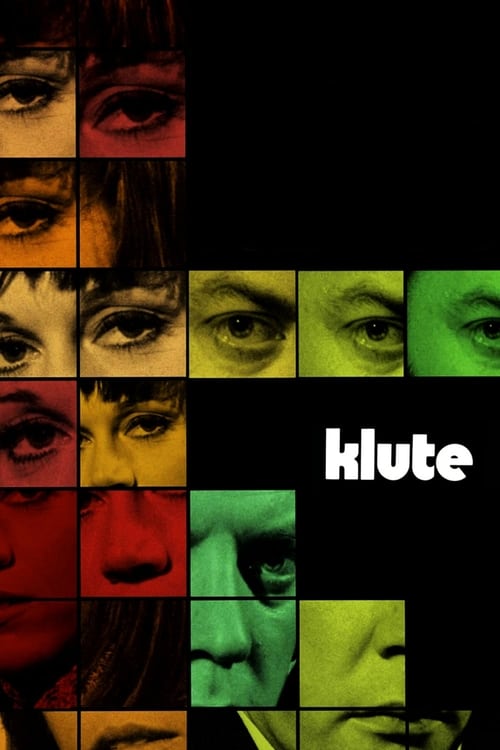
Klute (1971)
Directed by Alan J. Pakula
No — Klute is not woke, scoring 15 out of 100 on our wokeness meter.
Klute arrives from 1971 with the musty authority of a neo-noir that has been allowed to age into respectability.
Consciousness Markers
The film centers a complex, three-dimensional female protagonist whose autonomy, ambivalence about domesticity, and inner life drive the narrative; Fonda's own feminist concerns shaped the role. A genuine proto-feminist character study, though not a modern ideological tract.
The cast is overwhelmingly white, with Nathan George as a Black police lieutenant being the only notable minority presence, and it exists without comment. No deliberate modern diversity casting.
The antagonist is a corporate executive whose respectable position conceals violence, offering a faint critique of corporate power, but the film is not an economic polemic.
The film is a moody, atmospheric thriller that explores its themes through character and suspense rather than didactic messaging.
No LGBTQ+ characters, themes, or subtext appear anywhere in the film.
No engagement with racial themes or consciousness; the lone Black character is incidental to the plot.
The villain happens to be a chemical company executive, but the film makes no environmental or climate argument whatsoever.
No body positivity themes present.
Bree's psychiatric sessions and paranoia are psychological character work, not a depiction of neurodivergence as a social identity.
No historical revisionism; the film is a contemporary fictional thriller.
Why it received this score
Klute arrives from 1971 with the musty authority of a neo-noir that has been allowed to age into respectability. Alan J. Pakula's film is chiefly remembered for Jane Fonda's Bree Daniels, a call girl with a nervous intelligence and a stubborn interior life. The screenplay gives her ambivalence about intimacy, work, and domesticity a real dramatic weight. Fonda's own feminist misgivings about the role are well documented, and the finished performance turns those misgivings into character rather than pamphlet. This is a proto-feminist study by instinct, not a modern ideological tract. Bree is three-dimensional because the film watches her think, not because it instructs us to admire her.
Elsewhere the film's social consciousness is thin and mostly incidental. The cast is white by default, with a Black police lieutenant appearing without comment and then receding into procedure. There is no LGBTQ material, no racial thesis, and no environmental argument, even though the villain runs a chemical company. That corporate respectability hiding violence offers a faint suspicion of boardroom power, not an economic polemic. Body positivity and neurodivergence are absent. Bree's sessions with her psychiatrist supply psychological texture and paranoia, not a social identity. The film prefers mood, surveillance, and the jangle of Michael Small's score to any sermon.
Klute is therefore a restrained vintage. It has a genuine female-centered pulse and a vague distrust of corporate men, but it never organizes those instincts into a lecture. The thriller machinery is uneven, and the mystery is solved by typography, which is either period charm or a warning about the limits of detective work. Fonda's performance and Pakula's oppressive city remain. The film earns its seriousness through atmosphere and behavior, not through messaging. We can respect it without pretending it belongs to a later cultural moment.
Analysis generated by our Consciousness Algorithm
Part of


Synopsis
A high-priced call girl is forced to depend on a reluctant private eye when she is stalked by a psychopath.
Questions about Klute
Is Klute woke?
No — Klute is not woke, scoring 15 out of 100 on our wokeness meter. That earns it a verdict of Ultra Based.
Does Klute have any woke elements?
1 of the 10 markers register at 30 or above, led by Feminist Agenda (45). On Feminist Agenda: The film centers a complex, three-dimensional female protagonist whose autonomy, ambivalence about domesticity, and inner life drive the narrative; Fonda's own feminist concerns shaped the role.
How does Klute compare to other 1971 movies?
It ranks #5 of the 30 films from 1971 we've scored; their average is 10. The wokest is Death in Venice (60).
How is the Woke Score calculated?
An AI-assisted process researches the film and its reception, scores it 0–100 on ten markers, then combines those into one 0–100 Woke Score. It measures a specific set of 2020s cultural themes, not film quality.