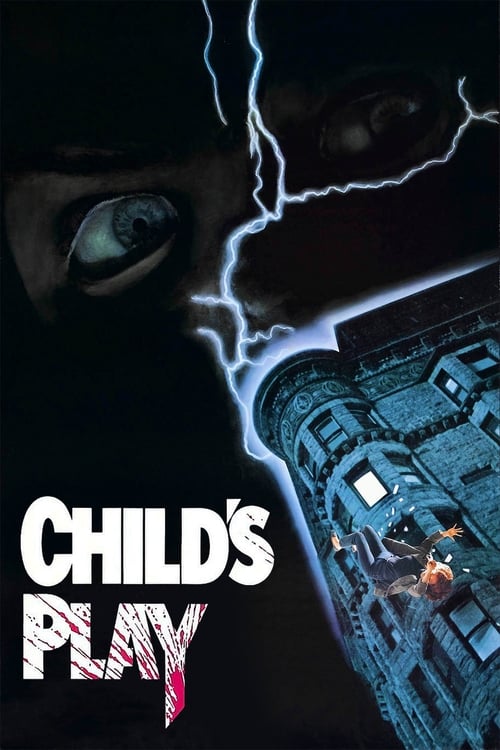
Child's Play (1988)
Directed by Tom Holland
No — Child's Play is not woke, scoring 9 out of 100 on our wokeness meter.
Child's Play arrives from 1988 with a premise that flirts with a critique of commercial culture and then thinks better of it.
Consciousness Markers
The film draws on 1980s consumerism and the marketing of toys to children, with a mass-produced Good Guy doll and commercial, but it is not a systemic anti-capitalist or eat-the-rich critique.
The cast is predominantly white with no deliberate diverse or inclusive casting choices; minority characters are incidental and not framed as representation.
No LGBTQ+ characters, themes, or subtext are present in the film itself.
The film features a single mother protagonist, but it does not advance or engage with feminist themes or a feminist agenda.
No racial themes, commentary, or consciousness are present.
No environmental or climate-related themes appear.
No body positivity themes or messaging are present.
No neurodivergent characters or themes are present.
No historical revisionism or reimagining of real events is present.
The film is a straightforward horror entertainment and does not lecture the audience on social or political issues.
Why it received this score
Child's Play arrives from 1988 with a premise that flirts with a critique of commercial culture and then thinks better of it. The screenwriter drew on the Cabbage Patch riots and the uneasy spectacle of parents brawling in aisles over a stuffed toy, and the film opens in a toy store, where a dying killer pours his soul into a mass-produced Good Guy doll. That is a real observation about how consumer goods get sold to children. It is also, in the finished film, set dressing. The doll exists to stab people, not to indict a system.
The social ledger is otherwise bare, and we record this without judgment. Karen Barclay is a widowed mother working a department store counter, a sturdy horror convention that carries no argument about women's roles. The cast is white by default, the way casting was in 1988, and nothing here gestures toward representation as a value. No LGBTQ material surfaces on screen, whatever the writer's private life contributed to the theme of a fatherless child. Race goes unmentioned. So do the climate, the body, the mind, and the historical record. Nobody lectures. The film has no thesis to deliver and no audience to correct.
What remains is craft and merchandising, and the film understands the second better than it lets on. A killer doll is a joke about the products we hand our children and a franchise waiting to happen, which the studio plainly knew. The result is a tight, mean little slasher that has aged into an artifact of 1980s retail anxiety. It wants to scare you, and it does. It does not want to improve you. We respect the honesty.
Analysis generated by our Consciousness Algorithm
Part of


Synopsis
After being shot in a toy store, a serial killer transfers his soul into a Good Guy doll. A mother then gifts it to her six-year-old son Andy, which unleashes terror upon the city.
Questions about Child's Play
Is Child's Play woke?
No — Child's Play is not woke, scoring 9 out of 100 on our wokeness meter. That earns it a verdict of Ultra Based.
Does Child's Play have any woke elements?
Very few. None of the 10 markers reaches 30, the level where a marker counts as present; the highest is Eat the Rich at 15.
How does Child's Play compare to other 1988 movies?
It ranks #26 of the 73 films from 1988 we've scored; their average is 10. The wokest is Stand and Deliver (58).
Is Child's Play the most woke Child's Play movie?
No. It ranks #4 of the 7 Child's Play films we've scored; the wokest is Seed of Chucky (60).