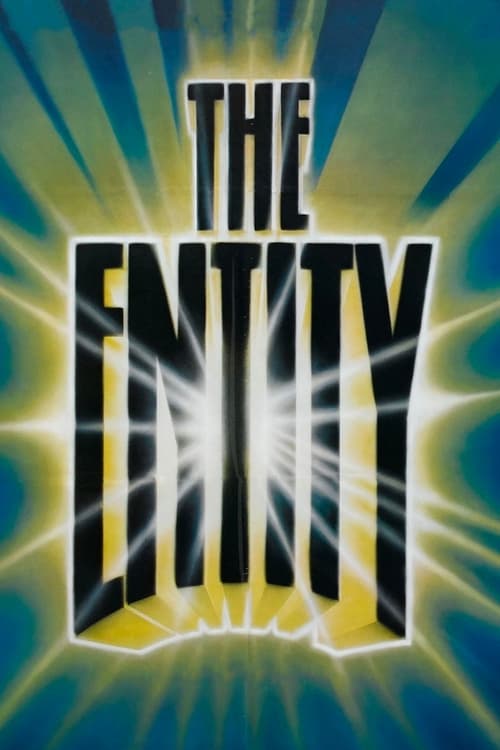
The Entity (1982)
Directed by Sidney J. Furie
No — The Entity is not especially woke, scoring 22 out of 100 on our wokeness meter.
The Entity arrives from 1982 with a premise that reads like a dare: a single mother in Los Angeles is repeatedly assaulted by an invisible presence, and the film takes her word for it far more seriously than the men around her do.
Consciousness Markers
Carla's ordeal is framed around male authorities dismissing her and a psychiatrist pathologizing her, and scholars have read it as a parable of female sexual victimhood. However, its graphic assault scenes and 1982 exploitation-horror context keep it far from a modern feminist agenda.
The psychiatry-versus-parapsychology debate is occasionally didactic, but the film is not structured as a modern social-issue sermon.
The principal cast is entirely white and the film shows no modern inclusive-casting intent; the female lead is central but not framed as representation casting.
There are no LGBTQ+ characters, themes, or subtext in the film.
The film has no racial themes, commentary, or meaningful racial diversity in its cast.
There is no climate or environmental messaging in the film.
The film does not engage with class warfare, wealth critique, or anti-capitalist themes.
The film contains no body-positivity messaging; its nudity and assault imagery are exploitative rather than affirming.
Psychiatry and trauma are plot elements, but the film does not address neurodivergence as a social or identity category.
It is based on a real case, but it does not revise or reinterpret history in the modern activist sense.
Why it received this score
The Entity arrives from 1982 with a premise that reads like a dare: a single mother in Los Angeles is repeatedly assaulted by an invisible presence, and the film takes her word for it far more seriously than the men around her do. Sidney J. Furie directs with Dutch angles and close-ups, Stan Winston supplies the practical effects, and Barbara Hershey holds the center with a performance that critics at the time agreed was the film's chief asset. The screenplay comes from Frank De Felitta's novel, itself drawn from the 1974 claims of Doris Bither, and the whole production carries the somber, haunted texture of a case study nobody quite wanted to close.
Carla's ordeal is built around institutional disbelief. A psychiatrist reads her bruises as self-inflicted, a colleague attributes the household disturbances to sexual frustration, and a boyfriend flees rather than testify to what he saw. Scholars have read the film as a parable of female sexual victimhood, and the reading holds. It also sits awkwardly beside the graphic assault sequences, which drew protests from women's rights organizations upon the original release. Hershey defended the production by insisting the intent was never exploitation. The camera's habits suggest otherwise often enough to keep the film from any modern feminist program. The argument here is older and messier, closer to Gothic possession than to a thesis.
Most of the contemporary cultural markers are simply absent. The cast is uniformly white, the film has nothing to say about race, class, climate, or body image, and it treats psychiatry as a plot mechanism instead of a social identity. The nudity and the assaults are staged for dread, not affirmation. The only lecturing on offer belongs to the running dispute between the psychiatrist and the parapsychologists, and it plays as exposition. What remains is a grim, well-acted curiosity from a moment when a horror film could take a woman's testimony seriously and still sell the bruises. The last line spoken by the entity is not a thesis. It is a taunt, and the film knows it.
Analysis generated by our Consciousness Algorithm

Synopsis
A single mom is raped by an invisible force. Her psychiatrist believes the experience stems from childhood trauma, while she knows something supernatural is at play.
Questions about The Entity
Is The Entity woke?
No — The Entity is not especially woke, scoring 22 out of 100 on our wokeness meter. That earns it a verdict of Based.
Does The Entity have any woke elements?
1 of the 10 markers register at 30 or above, led by Feminist Agenda (30). On Feminist Agenda: Carla's ordeal is framed around male authorities dismissing her and a psychiatrist pathologizing her, and scholars have read it as a parable of female sexual victimhood.
How does The Entity compare to other 1982 movies?
It ranks #2 of the 41 films from 1982 we've scored; their average is 7. The wokest is Gandhi (42).
How is the Woke Score calculated?
An AI-assisted process researches the film and its reception, scores it 0–100 on ten markers, then combines those into one 0–100 Woke Score. It measures a specific set of 2020s cultural themes, not film quality.