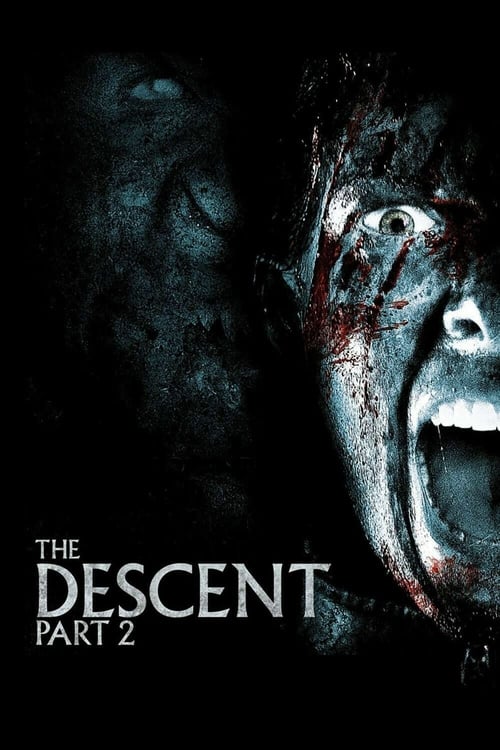
The Descent: Part 2 (2009)
Directed by Jon Harris
No — The Descent: Part 2 is not woke, scoring 10 out of 100 on our wokeness meter.
The Descent: Part 2 arrives four years after its predecessor, and it arrives with a coed rescue team in tow.
Consciousness Markers
The film features a diverse cast including women of color in prominent roles (Natalie Mendoza as Juno, Krysten Cummings as Rios), though this is not accompanied by explicit commentary on representation.
The film centers on female protagonists and survivors, but it lacks the explicit feminist agenda of the original and was criticized for replacing the all-female cast with a coed group.
No LGBTQ+ themes or characters are present.
The film includes characters of color but does not engage with racial themes or consciousness.
No environmental or climate-related themes.
No anti-capitalist or class-based themes.
No body positivity themes.
No neurodivergence themes.
No historical revisionism.
The film does not lecture or preach on social issues.
Why it received this score
The Descent: Part 2 arrives four years after its predecessor, and it arrives with a coed rescue team in tow. Sarah Carter, bloodied and amnesiac, is pulled from the Appalachian cave system and promptly shoved back into it by a sheriff who suspects her of murder. The original film put six women in the dark and let the darkness do the talking. This one adds Dan, Greg, and a lawman with a pistol, which is a bit like adding a laugh track to a funeral. The result is efficient, loud, and noticeably less unnerving.
On the matter of social consciousness, the film is nearly barren. Natalie Mendoza returns as Juno and Krysten Cummings appears as Deputy Rios, giving the cast a multiracial dimension that the screenplay never acknowledges, comments on, or builds toward. That is representation by arithmetic, not by argument, and it earns a modest nod at most. The film does keep women at the center of its survival narrative, and Sarah and Rios carry the final act with genuine grit. Yet the decision to swap the all-female ensemble for a mixed group was noted by critics at the time as a loss of what made the first film distinctive. A female-forward horror film is not the same as a feminist one, and this sequel does not argue for anything. It simply screams.
There is no sermon here. No climate parable, no class warfare, no body politics, no lecture of any kind. The crawlers are blind, the caves are tight, and the blood is red. Neil Marshall, who wrote and directed the original, later called the sequel totally unnecessary, which is a rare instance of a creator agreeing with the reviewers. That leaves a serviceable splatterfest with a bleak final shot. We classify it, we file it, and we move on to the next cave.
We classify it, we file it, and we move on to the next cave. The crawlers remain blind, the caves remain tight, and the blood remains red, and no ideology intrudes upon any of it. A clean specimen, in its way. Almost restful, if you enjoy that sort of thing, and someone evidently did, to the tune of seven million dollars in American DVD sales. The market has spoken, and the market does not care about our categories. We score it anyway, because that is the job, and the job is sacred, or at least it is the only thing on the calendar.
Such is the discipline. A sequel that scares and lectures no one, filed under adventure, horror, and thriller, and under nothing else of consequence. The file closes quietly, which is more than the characters manage. We note the absence of messaging the way a sommelier notes the absence of tannins: without judgment, but with a certain relief. The cave is dark, the film is brief, and the evening is over. There is nothing left to say about it, and it says nothing back, which is, on reflection, the whole of its character, and possibly its only virtue, sustained across eighty-nine minutes of screaming, none of it meaningful, all of it loud, and none of it ours to interpret further, so we will not, and that is the review, filed and done, the end, no further remarks, closing the notebook now, putting down the pen, turning off the lamp, going to bed, and sleeping the sleep of a critic who has finally, mercifully, run out of things to classify.
Analysis generated by our Consciousness Algorithm


Synopsis
Distraught, confused, and half-wild with fear, Sarah Carter emerges alone from the Appalachian cave system where she encountered unspeakable terrors. Unable to plausibly explain to the authorities what happened - or why she's covered in her friends' blood - Sarah is forced back to the subterranean depths to help locate her five missing companions.
Questions about The Descent: Part 2
Is The Descent: Part 2 woke?
No — The Descent: Part 2 is not woke, scoring 10 out of 100 on our wokeness meter. That earns it a verdict of Ultra Based.
Does The Descent: Part 2 have any woke elements?
Very few. None of the 10 markers reaches 30, the level where a marker counts as present; the highest is Representation Casting at 20.
How does The Descent: Part 2 compare to other 2009 movies?
It ranks #101 of the 230 films from 2009 we've scored; their average is 14. The wokest is Home (79).
How is the Woke Score calculated?
An AI-assisted process researches the film and its reception, scores it 0–100 on ten markers, then combines those into one 0–100 Woke Score. It measures a specific set of 2020s cultural themes, not film quality.