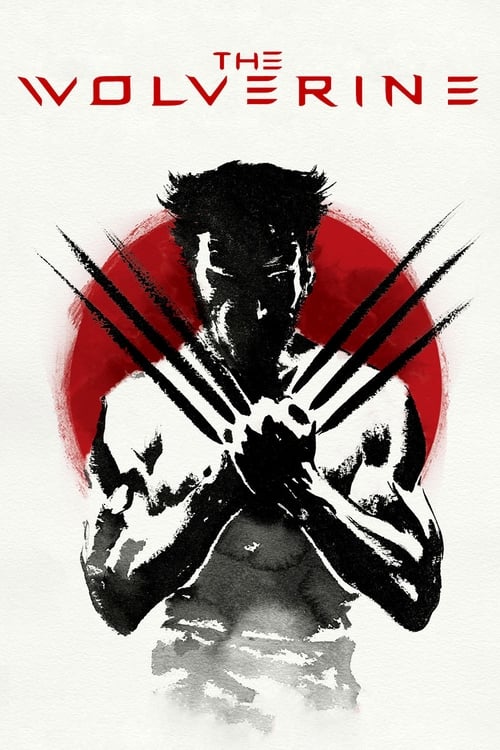
The Wolverine (2013)
Directed by James Mangold
No — The Wolverine is not especially woke, scoring 26 out of 100 on our wokeness meter.
The Wolverine arrives like a franchise installment that has read a few books about Japan and wants us to notice.
Consciousness Markers
A Hollywood superhero tentpole anchored by a predominantly Japanese cast (Tao Okamoto, Rila Fukushima, Hiroyuki Sanada, Hal Yamanouchi, Will Yun Lee), which is notable for the genre, though the casting flows naturally from the Japan setting rather than from any representational agenda.
The film notably features four female leads and passes the Bechdel Test early, with Mariko and Yukio given agency and combat roles, but this is conventional action-movie competence rather than an articulated feminist thesis.
The film engages Japanese culture, samurai tradition, and the Yakuza with some authenticity, but it offers no commentary on race, power, or identity in the modern social-justice sense.
Villainy is vested in a technology zaibatsu CEO and a corrupt Minister of Justice, giving a faint corporate-greed texture, but the film never mounts an eat-the-rich argument.
The film carries thematic weight about mortality, guilt, and letting go, but it dramatizes these through action and hallucination rather than preaching at the audience.
No LGBTQ+ characters, themes, or subtext appear anywhere in the film.
The Nagasaki atomic bombing appears as historical backstory, not as environmental or climate advocacy.
No body-positivity themes or messaging are present.
No neurodivergence themes or characters are present.
The film uses the 1945 Nagasaki bombing as a period backdrop for a comic-book origin beat, without revising or reinterpreting historical record.
Why it received this score
The Wolverine arrives like a franchise installment that has read a few books about Japan and wants us to notice. The production sets itself in Tokyo, Nagasaki, and a snowbound village of ninjas, and it fills the frame with Japanese performers who carry the plot instead of decorating it. Tao Okamoto, Rila Fukushima, Hiroyuki Sanada, and Hal Yamanouchi are not tokens; they are the movie's spine. That is an improvement for the genre, though the casting follows the setting, not a checklist. The film also gives us four women with names, motives, and the occasional sword. Mariko and Yukio have agency, and the Bechdel Test is cleared before the first act is out. The result is competent action-movie feminism, not a thesis.
The cultural texture is more careful than the average superhero vacation. Samurai ritual, Yakuza menace, and corporate succession are handled with enough specificity to avoid pure wallpaper. Yet the film has no interest in race as a modern social argument; Japan is a setting and a tradition, not a lecture. Villainy settles into a technology zaibatsu and a corrupt minister, which gives the proceedings a faint whiff of corporate greed. The movie never builds an eat-the-rich case. It is too busy with claws and bullet trains. Its thematic ambitions are real: mortality, guilt, and the exhausting business of letting go. These ideas are dramatized through action and hallucination, not sermonized. Jean Grey appears as a ghostly conscience, and the film trusts us to infer the point.
On other fronts, the ledger is clean. There is no LGBTQ+ material, no climate advocacy, no body-positive message, and no neurodivergent character or theme. The Nagasaki bombing opens the film as backstory and a debt of honor, not as an environmental parable or a revisionist account of World War II. The film does not rewrite the record; it borrows it for a comic-book origin beat. The remainder is a sturdy, somber blockbuster that wants credit for seriousness. It is less a manifesto than a moody detour in a long franchise, and there are worse things for a superhero movie to be.
Analysis generated by our Consciousness Algorithm


Synopsis
Wolverine faces his ultimate nemesis - and tests of his physical, emotional, and mortal limits - in a life-changing voyage to modern-day Japan.
Questions about The Wolverine
Is The Wolverine woke?
No — The Wolverine is not especially woke, scoring 26 out of 100 on our wokeness meter. That earns it a verdict of Based.
Does The Wolverine have any woke elements?
2 of the 10 markers register at 30 or above, led by Representation Casting (40) and Feminist Agenda (30). On Representation Casting: A Hollywood superhero tentpole anchored by a predominantly Japanese cast (Tao Okamoto, Rila Fukushima, Hiroyuki Sanada, Hal Yamanouchi, Will Yun Lee), which is notable for the genre, though the casting flows naturally from the Japan setting rather than from any representational agenda.
How does The Wolverine compare to other 2013 movies?
It ranks #40 of the 274 films from 2013 we've scored; their average is 14. The wokest is Belle (76).
Is The Wolverine the most woke The Wolverine movie?
Yes. It scores highest of the 3 The Wolverine films we've scored.