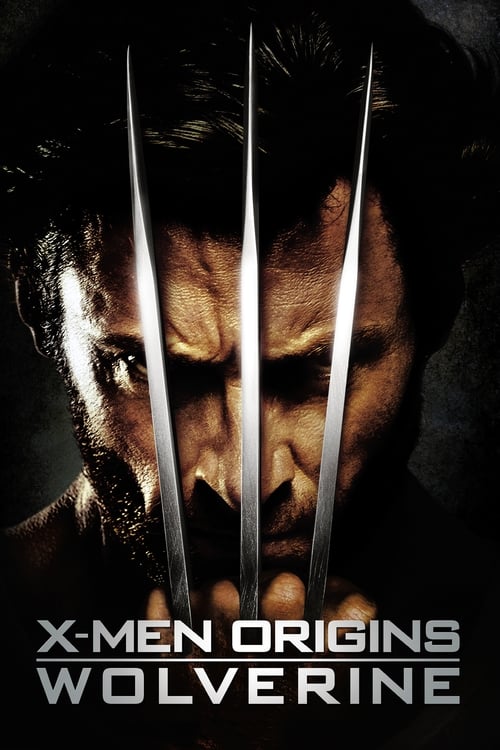
X-Men Origins: Wolverine (2009)
Directed by Gavin Hood
No · Ultra Based
How we score movies →Consciousness Markers
The cast is predominantly white and male, with actors of color relegated to minor roles. No deliberate effort to diversify the central narrative or leadership positions is evident.
The film depicts a shadowy military-industrial complex and the Weapon X program as villainous, though this critique remains superficial and is not central to the narrative.
The primary female character exists as motivation for the male protagonist's trauma and revenge, embodying the fridging trope rather than agency or complexity.
No LGBTQ+ themes, characters, or representation are present in the film.
The film makes no effort to interrogate mutant persecution as allegory for real-world discrimination or to center racial consciousness in its narrative.
Climate or environmental themes are entirely absent from this military action narrative.
The film celebrates muscular male bodies as the ideal, particularly through its focus on Hugh Jackman's physique, without any counter-narrative or diversity of body representation.
No meaningful representation of neurodivergence or psychological complexity beyond trauma as a plot device is present.
The film does not engage with historical events or attempt to revise historical narratives.
The film contains no preachy exposition about social issues or attempts to educate the audience on progressive topics.


Synopsis
After seeking to live a normal life, Logan sets out to avenge the death of his girlfriend by undergoing the mutant Weapon X program and becoming Wolverine.
Why it received this score
X-Men Origins: Wolverine arrives as a 2009 action vehicle so aggressively committed to its own spectacle that questions of social consciousness never quite penetrate the wall of CGI and explosions. The film concerns itself with the origin story of a brooding superhero and his relationship with his brother, a narrative so focused on masculine vengeance and physical transformation that it leaves little room for anything resembling progressive sensibility. The female character, Lynn Collins' Kayla, exists primarily as motivation for Logan's rage and trauma, a narrative function rather than a fully realized person. She is fridged, as they say in the industry, her death serving exclusively as the catalyst for the protagonist's journey into the Weapon X program.
The cast reflects the superhero film conventions of the era, which is to say it is predominantly white and male. While the film does include some actors of color (Daniel Henney as Agent Zero, will.i.am in a minor role), they are marginal figures in the narrative landscape, present but not essential. The film engages in no meaningful interrogation of mutant persecution as an allegory for real-world discrimination. Instead, the X-Men universe's central metaphor functions here as mere window dressing for a revenge tale. There is no recognition of disability beyond the metaphorical, no examination of gender beyond the damsel-in-distress framework, and no acknowledgment of economic systems beyond the vague notion of shadowy military programs.
This is a film from 2009, before the cultural vocabulary had fully crystallized around contemporary progressive sensibilities, and it shows. It is not hostile to these ideas so much as indifferent to them, a massive studio product concerned with spectacle and franchise continuity rather than cultural commentary. The woke score reflects not moral condemnation but straightforward assessment: there is almost nothing here that demonstrates contemporary progressive consciousness, only a conventional action narrative dressed in superhero trappings.
Analysis generated by our Consciousness Algorithm
Critic Reviews
“How does all this play out for those of us – i.e., me – who have not been staying up nights fretting over the origins of the X-Men and Women? The answer is: Fairly well.”
“Although it's a quintessential popcorn movie, Wolverine is not mindless. Hood and Jackman bring depth to a comic-book tale of anti-heroes with anger issues.”
“There's no shortage of "wow" moments, but the strong liberal political subtext of the trilogy has largely disappeared.”
“"Wolverine" is silly and typical, not in spite of but because it bonds an undeveloped family feud onto the main character's renegade story.”