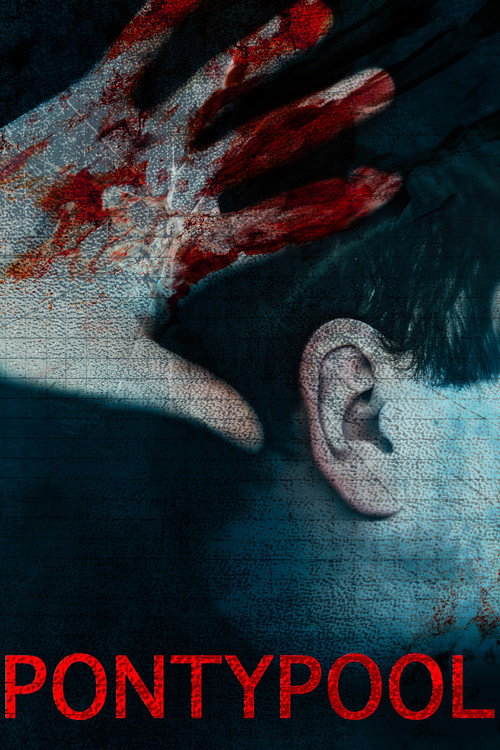
Pontypool (2009)
Directed by Bruce McDonald
No — Pontypool is not woke, scoring 0 out of 100 on our wokeness meter.
Pontypool is a 2008 Canadian psychological horror film directed by Bruce McDonald, based on Tony Burgess's novel.
Consciousness Markers
The cast is primarily white Canadian actors with no narrative emphasis on diverse representation; minority characters appear without representational commentary.
There are no LGBTQ+ themes, characters, or subtext in the film.
Female characters exist as station manager and assistant, but the film advances no feminist agenda or gender-political thesis.
The virus is tied to language, not race; Armenian and French dialogue are survival mechanisms, not racial-consciousness commentary.
The snowstorm is a setting and quarantine backdrop, not an environmental or climate-crusade theme.
The radio-station setting and media satire do not advance an eat-the-rich or anti-capitalist message.
The film contains no body-positivity themes or body-acceptance messaging.
Repetitive speech and self-harm are symptoms of a fictional language virus, not depictions of neurodivergence.
The film is a fictional horror story with no historical revisionism or reimagining of real events.
Its ideas about language and media are genre conceits, not social-justice lectures or preachy progressive messaging.
Why it received this score
Pontypool is a 2008 Canadian psychological horror film directed by Bruce McDonald, based on Tony Burgess's novel. It concerns a radio shock jock in a small Ontario town who discovers a virus that spreads through the English language, turning infected people into violent "conversationalists." The film is a taut, claustrophobic exercise in genre filmmaking, confined largely to a basement radio station during a snowstorm. Its pleasures are those of suggestion and sound design, not of social messaging.
In the current cultural climate, we might expect a film about a virus spread by language to be laden with metaphors for misinformation or online discourse. Pontypool has no such ambitions. Its cast is uniformly white, with no narrative comment on representation. There are no LGBTQ+ characters or themes. The female characters, a station manager and a technical assistant, exist to serve the plot, not to advance a gender-political thesis. The virus is tied to language, not race, class, or climate. The radio station setting provides a backdrop for media satire, but the film never suggests that capitalism is the true pathogen. There is no body-positivity messaging, no depiction of neurodivergence (the repetitive speech and self-harm are symptoms of a fictional infection), and no revisionist history. The film's ideas about language and media are genre conceits, not lectures on social justice.
What we have, then, is a horror film that trusts its audience to engage with a clever premise without being instructed on how to feel about contemporary issues. It is a product of its time, before the cultural flashpoints of the 2020s became ubiquitous in mainstream cinema. The film's lack of progressive sensibilities is not a failing; it is simply a reflection of its era and its intentions. For viewers seeking a break from sermonizing, Pontypool offers a refreshingly single-minded pursuit of dread. It is a film about words, and the words it chooses to speak are not those of a social crusade. It is, in its own modest way, a relic of a less self-conscious cinematic age.
Analysis generated by our Consciousness Algorithm

Synopsis
When disc jockey Grant Mazzy reports to his basement radio station in the Canadian town of Pontypool, he thinks it's just another day at work. But when he hears reports of a virus that turns people into zombies, Mazzy barricades himself in the radio booth and tries to figure out a way to warn his listeners about the virus and its unlikely mode of transmission.
Questions about Pontypool
Is Pontypool woke?
No — Pontypool is not woke, scoring 0 out of 100 on our wokeness meter. That earns it a verdict of Ultra Based.
Does Pontypool have any woke elements?
No. All 10 markers score zero.
How does Pontypool compare to other 2009 movies?
It ranks #208 of the 230 films from 2009 we've scored; their average is 14. The wokest is Home (79).
How is the Woke Score calculated?
An AI-assisted process researches the film and its reception, scores it 0–100 on ten markers, then combines those into one 0–100 Woke Score. It measures a specific set of 2020s cultural themes, not film quality.