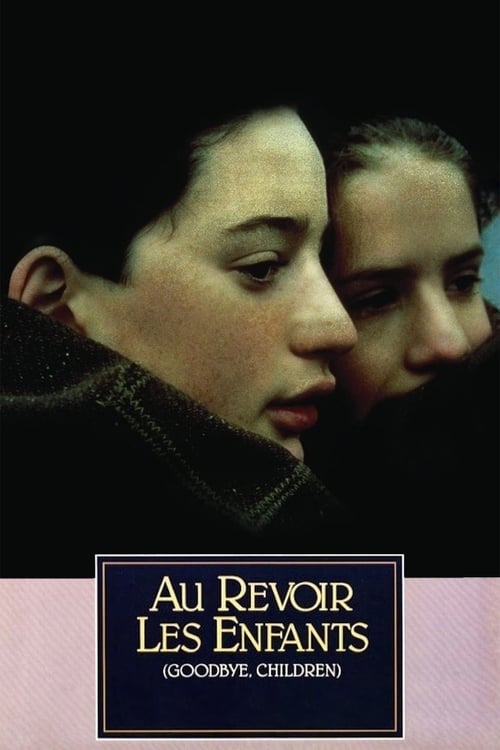
Au Revoir les Enfants (1987)
Directed by Louis Malle
No — Au Revoir les Enfants is not woke, scoring 4 out of 100 on our wokeness meter.
Louis Malle's Au Revoir les Enfants presents a profoundly moving examination of wartime morality, yet its cultural resonance in a contemporary context is unexpectedly muted.
Consciousness Markers
Malle's approach is famously subtle and observational, letting the tragedy speak for itself rather than sermonizing to the audience.
There is faint class texture — a factory-owning father, black-market dealings, and the headmaster sparing wealthy students — but no coherent eat-the-rich thesis.
The cast is a period-accurate ensemble of French schoolboys and clergy; the presence of a Jewish character is intrinsic to the historical narrative, not a modern casting agenda.
No LGBTQ+ characters, themes, or subtext appear anywhere in the film.
Madame Quentin is a period-appropriate supporting figure; the film offers no feminist framing or gender-justice commentary.
The film depicts antisemitic persecution as historical fact, but it is a restrained humanist memoir rather than a vehicle for modern racial-consciousness discourse.
No environmental or climate themes are present.
No body-positivity themes or messaging.
Bonnet's social awkwardness is characterization, not a neurodivergence narrative.
The film is a faithful autobiographical account of Vichy-era events, including the fates of Père Jacques and the deported boys; it revises nothing.
Why it received this score
Louis Malle's Au Revoir les Enfants presents a profoundly moving examination of wartime morality, yet its cultural resonance in a contemporary context is unexpectedly muted. The film operates entirely within its historical parameters, avoiding the more ornate layers of modern progressive sensibilities. While the depiction of antisemitism is stark and undeniably tragic, the narrative functions as a restrained historical memoir, not a vehicle for the kind of explicit cultural awareness we often see deployed today. Its handling of class texture, for instance, is minimal, offering a faint suggestion of wealth through schoolmasters and factory owners but never leaning into any coherent anti-capitalist thesis. We are left observing the past, not being told how to critique the present.
The film's most striking attribute is its refusal to over-explain. The emotional weight of the tragedy lands squarely on the viewer, unassisted by heavy-handed commentary or a relentless barrage of moral imperatives. This observational discipline stands in stark contrast to the prevalent tendency toward sermonizing in modern cinema. However, even this masterful subtlety does not trigger the specific progressive markers that define current cultural discourse. The representation of the era is strictly period-accurate, offering no modern revision of the social dynamics or the casting itself. The focus remains fixed on the intimate, harrowing experience of friendship and loss.
It is a quiet achievement. A beautiful portrait of courage and systemic cruelty. It is a piece of cinema that demands patience and intellectual engagement rather than offering immediate, ideologically comfortable affirmations. Its primary value lies in its fidelity to the past, a fidelity which places it outside the scope of contemporary social consciousness exercises. It is a solemn, necessary viewing, even if it lacks the specific cultural resonance currently sought by many critics.
Analysis generated by our Consciousness Algorithm


Synopsis
Au revoir les enfants tells a heartbreaking story of friendship and devastating loss concerning two boys living in Nazi-occupied France. At a provincial Catholic boarding school, the precocious youths enjoy true camaraderie—until a secret is revealed. Based on events from writer-director Malle’s own childhood, the film is a subtle, precisely observed tale of courage, cowardice, and tragic awakening.
Questions about Au Revoir les Enfants
Is Au Revoir les Enfants woke?
No — Au Revoir les Enfants is not woke, scoring 4 out of 100 on our wokeness meter. That earns it a verdict of Ultra Based.
Does Au Revoir les Enfants have any woke elements?
Very few. None of the 10 markers reaches 30, the level where a marker counts as present; the highest is Lecture Energy at 10.
How does Au Revoir les Enfants compare to other 1987 movies?
It ranks #33 of the 59 films from 1987 we've scored; their average is 8. The wokest is Maurice (68).
How is the Woke Score calculated?
An AI-assisted process researches the film and its reception, scores it 0–100 on ten markers, then combines those into one 0–100 Woke Score. It measures a specific set of 2020s cultural themes, not film quality.