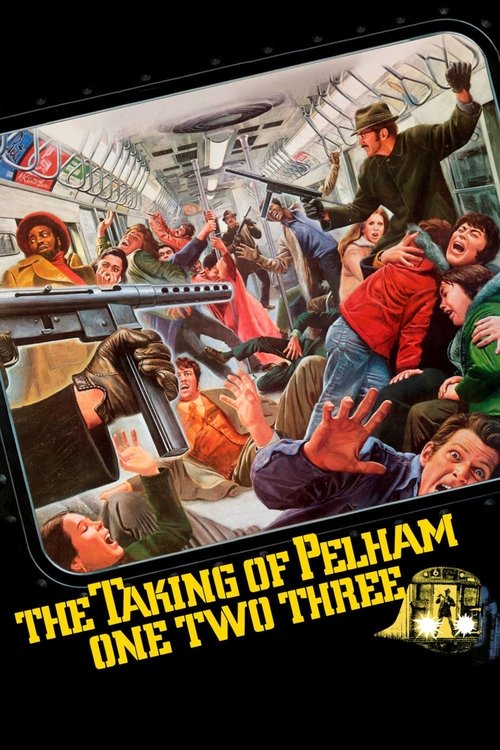
The Taking of Pelham One Two Three (1974)
Directed by Joseph Sargent
No — The Taking of Pelham One Two Three is not woke, scoring 11 out of 100 on our wokeness meter.
Joseph Sargent's 1974 caper is a machine built for velocity and dry municipal humor.
Consciousness Markers
The ensemble includes Héctor Elizondo, Beatrice Winde, and Jerry Stiller in supporting roles, reflecting the natural diversity of 1970s New York City, but their presence is never framed as a statement.
No LGBTQ+ characters, themes, or subtext of any kind appear in the film.
The film is a masculine heist thriller; the few women present are hostages or background figures with no feminist framing whatsoever.
Race is never a subject of the film; the multiracial cast exists without comment or thematic weight.
No environmental or climate themes are present in this subway-hostage thriller.
The hijackers are mercenaries and criminals motivated by money, not by any critique of capitalism or wealth redistribution.
No body-positivity themes or messaging appear in the film.
Mr. Grey is described as erratic and unstable, but this is characterization of a violent criminal, not a depiction or advocacy of neurodivergence.
The film is a fictional thriller with no historical revisionism of any kind.
Director Joseph Sargent explicitly aimed for breezy entertainment over moral instruction, and the film delivers wry comedy and suspense rather than sermonizing.
Why it received this score
Joseph Sargent's 1974 caper is a machine built for velocity and dry municipal humor. Four men with color-coded names seize a downtown 6 train, demand a million dollars, and spend most of the running time negotiating by radio with Walter Matthau's weary transit lieutenant. The film has no interest in converting the hijacking into a parable. The criminals want cash, the cops want order, and the mayor wants the episode to stop interrupting his day. It is a heist picture with a sour comic pulse, not a sermon in a tunnel.
The ensemble reflects the ordinary demographic texture of 1970s New York. Héctor Elizondo, Beatrice Winde, and Jerry Stiller move through the machinery of transit and city government without a spotlight being shined on their presence. That is representation by ambient reality, not by proclamation. The film does not stop to congratulate itself for casting a multiracial city as a multiracial city. Race is not a thesis here. It is simply the water these people swim in.
Elsewhere the film is aggressively uninterested in contemporary progressive checkpoints. The women are hostages or background figures, the hijackers are mercenaries and crooks, and the closest thing to a social critique is a joke about municipal bureaucracy. Mr. Grey's instability is treated as a criminal liability, not a lesson in neurodivergence. There is no environmental subtext, no historical revision, no body-positive messaging, and no lecture waiting at the end of the line. Sargent said he wanted charm and comedy to keep the audience from taking the thing too seriously. The result is a thriller that respects our intelligence enough to entertain us without a pamphlet. It remains a clean, sharp, pleasantly cynical ride.
Analysis generated by our Consciousness Algorithm


Synopsis
In New York, armed men hijack a subway car and demand a ransom for the passengers while the authorities question about the method of their escape.
Questions about The Taking of Pelham One Two Three
Is The Taking of Pelham One Two Three woke?
No — The Taking of Pelham One Two Three is not woke, scoring 11 out of 100 on our wokeness meter. That earns it a verdict of Ultra Based.
Does The Taking of Pelham One Two Three have any woke elements?
Very few. None of the 10 markers reaches 30, the level where a marker counts as present; the highest is Representation Casting at 25.
How does The Taking of Pelham One Two Three compare to other 1974 movies?
It ranks #9 of the 29 films from 1974 we've scored; their average is 10. The wokest is Ali: Fear Eats the Soul (42).
How is the Woke Score calculated?
An AI-assisted process researches the film and its reception, scores it 0–100 on ten markers, then combines those into one 0–100 Woke Score. It measures a specific set of 2020s cultural themes, not film quality.