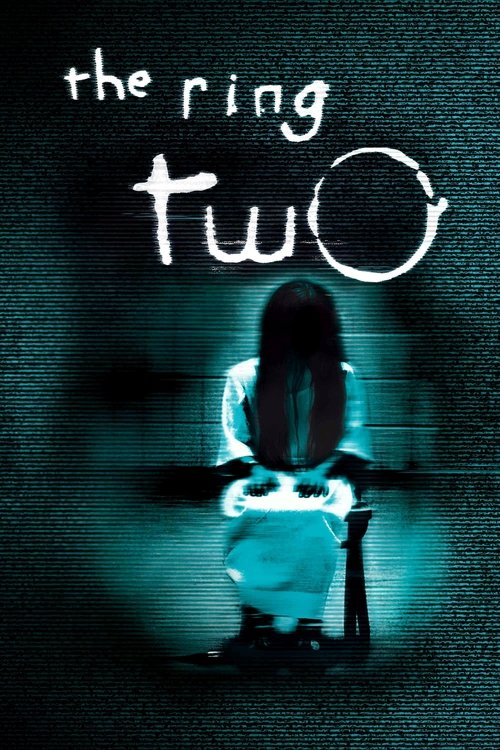
The Ring Two (2005)
Directed by Hideo Nakata
No — The Ring Two is not woke, scoring 0 out of 100 on our wokeness meter.
There is a scene in The Ring Two in which wild deer attack a station wagon on a rural road, and the film offers no explanation for it whatsoever.
Consciousness Markers
The cast is overwhelmingly white and appears assembled without any representational mandate; the few minority performers are incidental.
No LGBTQ+ characters, themes, or subtext are present.
A female reporter and mother is the lead, but the film treats this as maternal horror rather than advancing a feminist agenda.
No engagement with race, racism, or racial identity.
No environmental or climate themes.
No critique of wealth, capitalism, or class power.
No body-positivity themes or plus-size representation.
Psychiatric institutions and postpartum depression appear as plot devices, not as neurodivergence representation.
No historical revisionism; it is a contemporary supernatural horror sequel.
The film aims for suspense and scares, not moral instruction or social messaging.
Why it received this score
There is a scene in The Ring Two in which wild deer attack a station wagon on a rural road, and the film offers no explanation for it whatsoever. This is the movie's entire operating principle. Hideo Nakata, who directed the original Japanese Ring, returns to shepherd the American sequel, and what he delivers is a moody, damp, largely incoherent exercise in atmosphere. Naomi Watts stares into middle distance with admirable commitment. A bathtub fills with water. Sissy Spacek appears for one scene in a psychiatric hospital and vanishes. Nobody learns anything. The screenplay by Ehren Kruger moves from set piece to set piece with the grim determination of a commuter who has missed his stop and refuses to ask for directions.
The film concerns a cursed videotape, a drowned girl, and a mother's efforts to prevent a dead child from occupying her living son. It is, in other words, a story about possession, grief, and the failure of institutions to protect anyone. What it is not is a vehicle for social instruction. The cast is uniformly white and assembled with no discernible representational ambition. Rachel Keller works as a reporter, and the film frames her maternity as a site of horror and suspected child abuse, which is a tradition considerably older than any contemporary gender politics. A psychiatrist raises postpartum depression as an accusation. The movie treats this as plot mechanics, not as advocacy.
One searches the runtime for a thesis about power, capital, or the climate and finds only wet carpet and a well. There is no messaging, no sermon, no moment where the film pauses to instruct its audience on how to live. It simply wants to frighten us, and mostly fails. The result is a relic of a simpler cinematic era, a sequel that exists because the first one made money, and which asks nothing of us beyond ninety minutes and a tolerance for nonsensical deer.
Analysis generated by our Consciousness Algorithm


Synopsis
After the ordeal with Samara, Rachel and Aiden move to a rural town. But soon Rachel learns about the death of a girl in a similar fashion. To save Aiden, she must dig into Samara's past even further.
Questions about The Ring Two
Is The Ring Two woke?
No — The Ring Two is not woke, scoring 0 out of 100 on our wokeness meter. That earns it a verdict of Ultra Based.
Does The Ring Two have any woke elements?
No. All 10 markers score zero.
How does The Ring Two compare to other 2005 movies?
It ranks #160 of the 181 films from 2005 we've scored; their average is 13. The wokest is The Constant Gardener (72).
Is The Ring Two the most woke The Ring movie?
No. It ranks #3 of the 3 The Ring films we've scored; the wokest is Rings (6).