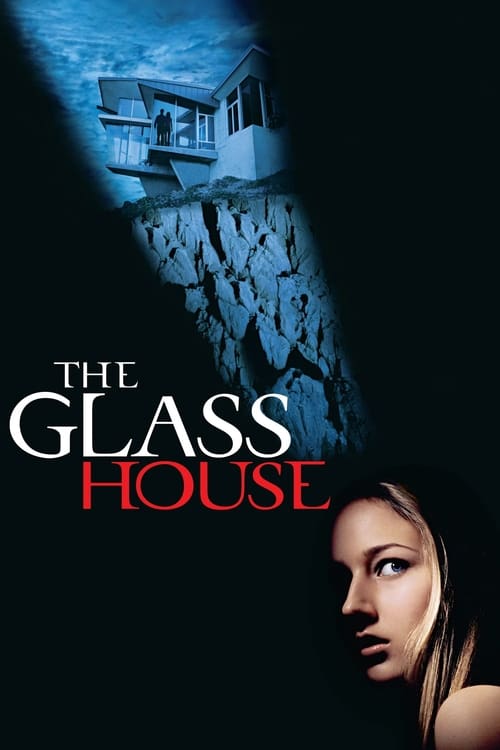
The Glass House (2001)
Directed by Daniel Sackheim
No — The Glass House is not woke, scoring 4 out of 100 on our wokeness meter.
The Glass House arrived on September 14, 2001, which means it holds the dubious honor of being the first film many critics saw after returning to work that week.
Consciousness Markers
Ruby is a resourceful female protagonist who ultimately saves herself and her brother, but this is a conventional genre survivor trope rather than any articulated feminist thesis.
The villains' greed over a trust fund drives the plot, but this is individualized thriller villainy rather than a systemic eat-the-rich critique.
The cast is overwhelmingly white, with no meaningful racial or ethnic diversity and no commentary on representation. Standard 2001 thriller ensemble.
No LGBTQ+ characters, relationships, or themes appear anywhere in the film.
Race is entirely absent as a subject; the film has no racial consciousness or commentary.
No environmental or climate themes whatsoever.
No body positivity themes; the film does not engage with body image or size at all.
No neurodivergent characters or themes are present.
The film is a fictional thriller with no historical revisionism.
The film is a straightforward suspense thriller with no preachy messaging or moral lecturing.
Why it received this score
The Glass House arrived on September 14, 2001, which means it holds the dubious honor of being the first film many critics saw after returning to work that week. History has not been kind to it. Neither, frankly, was the fall of 2001. What remains is a tidy little thriller about two orphaned siblings deposited into a Malibu house of glass and bad intentions, and a script that telegraphs every turn well before it arrives.
On the matter of social consciousness, the ledger is nearly blank. The ensemble is white, and the film offers no comment on that, no gesture toward representation as a value. There are no queer characters, no racial themes, no environmental anxieties. Ruby, played by Leelee Sobieski, is capable and ultimately saves herself and her brother, though this reads as standard genre survival instinct, not an argument about anything. The villains want the children's trust fund, which is greed, yes, but the intimate, ledger-book greed of two specific people drowning in debt and pills. Nobody indicts a system.
What the film does offer is craft of a modest kind: glass walls, surveillance, a slow dread that never quite pays off. There is no sermonizing here, no lecture, no revisionist history, no engagement with body image or neurodivergence. It simply wants to frighten us, and mostly it does not. A direct-to-video sequel followed in 2006 with none of the same characters. The glass house, it turns out, was load-bearing for no one.
Analysis generated by our Consciousness Algorithm


Synopsis
When Ruby and Rhett's parents are killed in a car accident, their carefree teenage lives are suddenly shattered. Moving to an incredible house in Malibu with the Glasses', old friends of the family, seems to be the beginning of a new life for them.
Questions about The Glass House
Is The Glass House woke?
No — The Glass House is not woke, scoring 4 out of 100 on our wokeness meter. That earns it a verdict of Ultra Based.
Does The Glass House have any woke elements?
Very few. None of the 10 markers reaches 30, the level where a marker counts as present; the highest is Feminist Agenda at 8.
How does The Glass House compare to other 2001 movies?
It ranks #107 of the 148 films from 2001 we've scored; their average is 12. The wokest is Monster's Ball (60).
How is the Woke Score calculated?
An AI-assisted process researches the film and its reception, scores it 0–100 on ten markers, then combines those into one 0–100 Woke Score. It measures a specific set of 2020s cultural themes, not film quality.