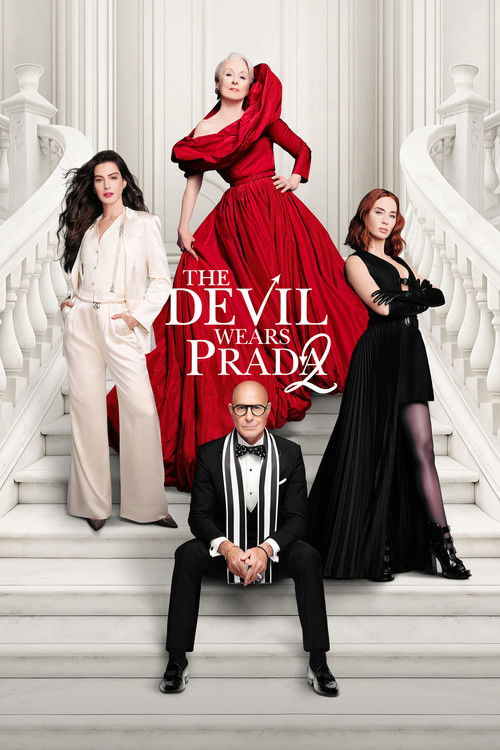
The Devil Wears Prada 2 (2026)
Directed by David Frankel
Partly — The Devil Wears Prada 2 is somewhat woke, scoring 54 out of 100 on our wokeness meter.
The sequel arrives two decades late and dressed for the occasion.
Consciousness Markers
The plot critiques corporate greed, sweatshop labor, clickbait media, AI-driven layoffs, and the fashion industry's exclusion of middle-class consumers.
The film centers on three powerful women navigating the fashion media industry, exploring mentorship, rivalry, and female ambition in a corporate world.
The film features a diverse supporting cast including Lucy Liu, Simone Ashley, Tracie Thoms, and George C. Wolfe, though their roles are not defined by identity politics.
The film weaves social commentary on modern media, AI, and class into its dramedy plot, but avoids overt preaching.
While the cast is diverse, the plot does not engage with racial issues or consciousness beyond incidental representation.
No LGBTQ+ themes or characters are present in the plot or research summary.
No environmental or climate-related themes are present.
No body positivity themes are evident despite the fashion industry setting.
No neurodivergence themes or characters are present.
The film does not revise or reinterpret historical events.
Why it received this score
The sequel arrives two decades late and dressed for the occasion. Andy Sachs, now a global journalist, is laid off by text message during an awards ceremony, which is the film's opening bid for our sympathies and its first small sermon about the modern newsroom. She returns to Runway as features editor, installed by ownership without Miranda's consent, and the machinery of the plot begins to turn: sweatshop puff pieces, clickbait economics, a billionaire's ex-wife with a grudge, and consultants who arrive with spreadsheets and artificial intelligence on their lips.
The film's real subject is corporate appetite. It has much to say about the fashion industry pricing out the middle class, about short-form content cheapening everything it touches, and about money men who mistake liquidation for strategy. These arguments are made in dialogue, sometimes twice, and the film rarely resists the urge to underline a point about labor or media decay. It stops short of a lecture, but the underlining is visible.
Where the film surprises is in its women. Miranda, Andy, and Emily circle one another with mentorship, resentment, and professional hunger, and the screenplay grants each of them authority and failings in equal measure. The supporting cast is broad and modern, though the film asks nothing of that breadth beyond its own presence. Body image, sexual identity, and the demographics of the newsroom go unexamined. A viewer hoping for a reckoning with the original's thin waists will leave unsatisfied. The picture that remains is competent and well-tailored, a study of money, ambition, and the impossibility of retiring gracefully, which is more than the season usually offers.
Analysis generated by our Consciousness Algorithm
Part of


Synopsis
Andy Sachs returns to Runway as Miranda Priestly navigates a new media landscape and Runway's position within. The duo reconnect with former assistant Emily Charlton, now the head of a luxury brand that possesses funding which could ensure Runway's survival.
Questions about The Devil Wears Prada 2
Is The Devil Wears Prada 2 woke?
Partly — The Devil Wears Prada 2 is somewhat woke, scoring 54 out of 100 on our wokeness meter. That earns it a verdict of Woke-Adjacent.
What makes The Devil Wears Prada 2 woke?
4 of the 10 markers register at 30 or above, led by Eat the Rich (70), Feminist Agenda (65) and Representation Casting (50). On Eat the Rich: The plot critiques corporate greed, sweatshop labor, clickbait media, AI-driven layoffs, and the fashion industry's exclusion of middle-class consumers.
How does The Devil Wears Prada 2 compare to other 2026 movies?
It ranks #112 of the 800 films from 2026 we've scored; their average is 23. The wokest is Between Us (89).
How is the Woke Score calculated?
An AI-assisted process researches the film and its reception, scores it 0–100 on ten markers, then combines those into one 0–100 Woke Score. It measures a specific set of 2020s cultural themes, not film quality.