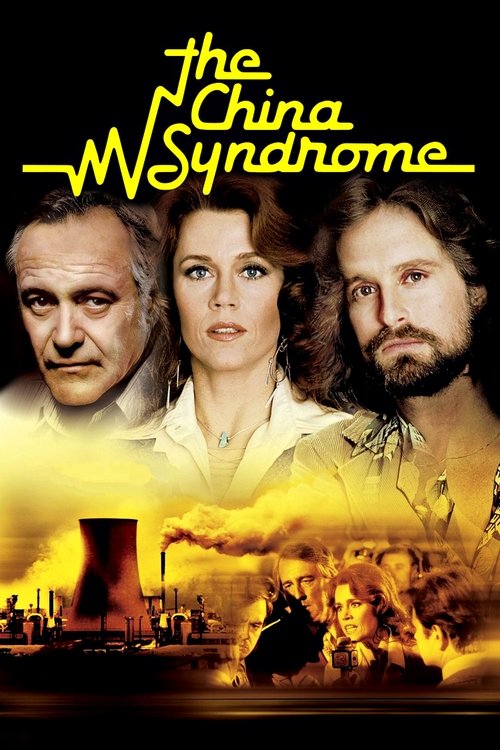
The China Syndrome (1979)
Directed by James Bridges
No — The China Syndrome is not especially woke, scoring 27 out of 100 on our wokeness meter.
The China Syndrome arrives from 1979 with the confidence of a procedural that knows exactly which valves to open.
Consciousness Markers
The core conflict is corporate malfeasance: Foster-Sullivan falsifies weld radiographs to save $20 million and plant management prioritizes restarting the reactor over public safety, a textbook profit-over-people indictment.
The film carries a clear whistleblower-and-nuclear-safety message, but it delivers it through suspense and character rather than overt sermonizing, keeping the lecturing moderate.
Jane Fonda's Kimberly Wells is a determined female reporter fighting to be taken seriously in a male-dominated newsroom and to air a story her superiors suppress, giving the film a mild proto-feminist workplace angle.
The cast is led by Jane Fonda and features a Latino soundman (Hector Salas), but these are natural story elements rather than modern representation-casting choices; the ensemble is otherwise predominantly white.
The subject is nuclear power safety and energy policy rather than climate change; the film's anti-nuclear stance is a safety critique, not a climate crusade.
No LGBTQ+ characters, themes, or subtext appear anywhere in the film.
The film contains no commentary on race or racial injustice; the Latino soundman is a background figure with no thematic weight.
No body-positivity themes or messaging are present.
Plant officials smear Godell as 'emotionally disturbed,' but this is a villainous deflection rather than any genuine neurodivergence representation.
The film is a fictional thriller, not a re-reading of historical events; its basis in real nuclear mishaps is inspiration, not historical revisionism.
Why it received this score
The China Syndrome arrives from 1979 with the confidence of a procedural that knows exactly which valves to open. Jane Fonda plays Kimberly Wells, a television reporter who wants a serious story and keeps running into men who decide what the public can handle. Her cameraman steals footage. A plant supervisor notices a vibration in his coffee. The film turns nuclear safety into suspense, and it does so with clean, unfussy craft. The cast is led by Fonda and includes a Latino soundman, Hector Salas, but his presence is ordinary texture, not a statement. No LGBTQ characters or themes appear. Race is not examined. Body positivity and neurodivergence are absent. The film has other preoccupations.
Those preoccupations are corporate and institutional. Foster-Sullivan falsifies weld radiographs to avoid a twenty-million-dollar fix. Management wants the reactor restarted. A whistleblower is smeared as emotionally disturbed, which is villainous deflection, not a sincere portrait of mental health. The target is profit over public safety, and the film hits it with steady pressure. Kimberly's newsroom struggles give a mild feminist edge to her professional frustration, though the movie is more interested in the conspiracy than in her interior life. Nuclear power safety is the subject, not climate change. The lecture energy stays moderate because the argument arrives through ticking gauges, SWAT teams, and a live broadcast cut short by gunfire.
By contemporary standards, this is a restrained artifact. It wants accountability from utilities and regulators. It does not sort characters into identity categories or pause for instruction. It is fiction, not a rereading of the past. The final cut to a microwave commercial lands as a dry joke about consumer complacency. The film remains a well-oiled thriller with a conscience, and its conscience is older, angrier, and narrower than the modern variety. It earns respect without demanding a syllabus.
Analysis generated by our Consciousness Algorithm


Synopsis
While doing a series of reports on alternative energy sources, opportunistic reporter Kimberly Wells witnesses an accident at a nuclear power plant. Wells is determined to publicize the incident, but soon finds herself entangled in a sinister conspiracy to keep the full impact of the incident a secret.
Questions about The China Syndrome
Is The China Syndrome woke?
No — The China Syndrome is not especially woke, scoring 27 out of 100 on our wokeness meter. That earns it a verdict of Based.
Does The China Syndrome have any woke elements?
2 of the 10 markers register at 30 or above, led by Eat the Rich (60) and Lecture Energy (35). On Eat the Rich: The core conflict is corporate malfeasance: Foster-Sullivan falsifies weld radiographs to save $20 million and plant management prioritizes restarting the reactor over public safety, a textbook profit-over-people indictment.
How does The China Syndrome compare to other 1979 movies?
It ranks #2 of the 33 films from 1979 we've scored; their average is 6. The wokest is Hair (30).
How is the Woke Score calculated?
An AI-assisted process researches the film and its reception, scores it 0–100 on ten markers, then combines those into one 0–100 Woke Score. It measures a specific set of 2020s cultural themes, not film quality.