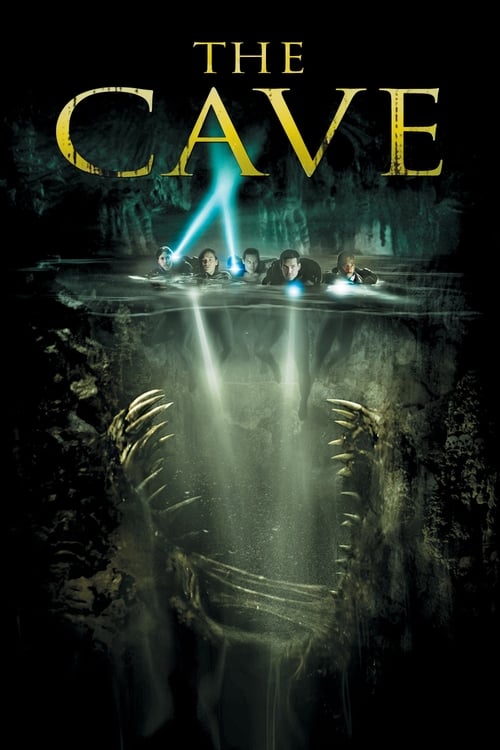
The Cave (2005)
Directed by Bruce Hunt
No — The Cave is not woke, scoring 8 out of 100 on our wokeness meter.
Some films arrive carrying the weight of a cultural moment.
Consciousness Markers
The cast includes Morris Chestnut and Daniel Dae Kim in supporting roles, but their presence is unremarked and incidental to a generic creature feature.
Lena Headey and Piper Perabo play a scientist and a rock climber respectively, but the film makes no argument about gender and treats them as standard ensemble members.
No LGBTQ+ characters, themes, or subtext of any kind appear in the film.
The film engages no racial themes whatsoever; the diverse cast exists without any commentary on race or society.
The 'undiscovered ecosystem' premise is a plot device for the monster, not an environmentalist message about climate change.
There is no critique of capitalism, wealth, or class anywhere in the film.
No body-positive themes or messaging about body image are present.
No neurodivergent characters or themes are depicted.
The film is a straightforward monster movie with no historical revisionism or reframing of past events.
The film offers no social messaging or moralizing; it is a by-the-numbers creature feature with no lecture energy.
Why it received this score
Some films arrive carrying the weight of a cultural moment. The Cave arrives carrying a claw. Bruce Hunt's 2005 creature feature deposits a team of cave divers into a Romanian cave system, kills them one by one, and departs without having said anything at all. It was released the same year as The Descent and has spent two decades being measured against it unfavorably, the sort of fate that befell many productions in 2005. The sets are handsome. The creatures are not. Critics at the time noted the cliches, the thin characters, the implausible logistics of an underwater expedition staffed largely by people who appear to have met each other that morning.
The cast is diverse in the way a 2005 ensemble often was, which is to say incidentally. Morris Chestnut plays a survival expert, Daniel Dae Kim plays a cameraman, and neither role invites a single word about race, identity, or the world outside the cave. Lena Headey is a scientist and Piper Perabo is a rock climber, and the film treats both as ordinary members of a doomed party. There is no argument being made about gender here, no thesis about who gets to hold the sonar equipment. The film simply assigns competencies and then drowns them.
The film leaves behind a picture of unusual ideological emptiness. No corporation is indicted, no ecosystem is mourned, no historical wrong is excavated alongside the fossils. The cave is a cave. The monster is a monster. Kathryn's mutated eyes in the final shot suggest a sequel that never came, which may be the most honest thing about the whole enterprise. It is a bad film, and it is a bad film without a message, which at least spares us the sermon.
Analysis generated by our Consciousness Algorithm


Synopsis
After a group of biologists discovers a huge network of unexplored caves in Romania and, believing it to be an undisturbed eco-system that has produced a new species, they hire the best American team of underwater cave explorers in the world. While exploring deeper into the underwater caves, a rockslide blocks their exit, and they soon discover a larger carnivorous creature has added them to its food chain.
Questions about The Cave
Is The Cave woke?
No — The Cave is not woke, scoring 8 out of 100 on our wokeness meter. That earns it a verdict of Ultra Based.
Does The Cave have any woke elements?
Very few. None of the 10 markers reaches 30, the level where a marker counts as present; the highest is Representation Casting at 15.
How does The Cave compare to other 2005 movies?
It ranks #90 of the 181 films from 2005 we've scored; their average is 13. The wokest is The Constant Gardener (72).
How is the Woke Score calculated?
An AI-assisted process researches the film and its reception, scores it 0–100 on ten markers, then combines those into one 0–100 Woke Score. It measures a specific set of 2020s cultural themes, not film quality.