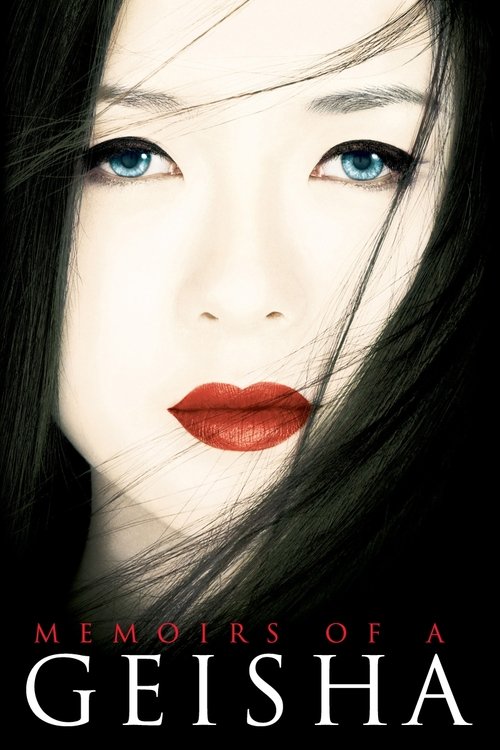
Memoirs of a Geisha (2005)
Directed by Rob Marshall
No — Memoirs of a Geisha is not woke, scoring 11 out of 100 on our wokeness meter.
Memoirs of a Geisha arrives with the polished sheen of a prestige picture, and indeed it took home three Academy Awards for its visual craftsmanship.
Consciousness Markers
The film features a predominantly Asian cast, including Chinese, Japanese, and Malaysian actors, but the decision to cast non-Japanese actresses in Japanese lead roles sparked controversy over authentic representation.
The story centers on women navigating a patriarchal geisha system, but its focus is on romance and personal sacrifice rather than a feminist agenda.
The geisha system is depicted as a commercial enterprise with debts and bidding, but the film does not offer a systemic critique of capitalism.
No LGBTQ+ themes or characters are present.
The film is set in Japan but does not engage with racial consciousness or issues of racial identity; the casting controversy is external to the narrative.
No environmental or climate-related themes.
No body positivity themes.
No neurodivergence themes.
The film presents a romanticized, Westernized view of geisha history, but it does not actively revise history to fit modern progressive narratives.
The film uses voiceover narration to explain geisha culture, but it does not lecture the audience on social justice issues.
Why it received this score
Memoirs of a Geisha arrives with the polished sheen of a prestige picture, and indeed it took home three Academy Awards for its visual craftsmanship. The film's commitment to representation is a complicated matter. It assembles a predominantly Asian cast, which was a notable choice in 2005, yet the decision to place Chinese and Malaysian actresses in Japanese roles generated a controversy that the filmmakers seemed ill-prepared to address. This is a film that wants credit for its cultural awareness while sidestepping the thornier questions of authenticity. The result is a gesture toward inclusion that stops short of genuine introspection.
The narrative follows a young girl sold into the geisha system, and it spends considerable time detailing the rituals and hierarchies of that world. There is a feminist undercurrent here, as the women navigate a patriarchal economy with cunning and resilience. Yet the story ultimately bends toward romance and personal sacrifice. The geisha houses operate as commercial enterprises, with debts, bids, and financial transactions, but the film never mounts a systemic critique of the arrangement. It observes the machinery of capitalism without questioning its gears. Other markers of contemporary social consciousness are absent. There is no engagement with racial identity, climate concerns, body positivity, neurodivergence, or LGBTQ+ themes. The film does not lecture; it merely narrates.
We are left with a handsome, soap-operatic adaptation of a bestselling novel. It is culturally aware in a superficial way, progressive in its casting but hesitant in its politics. The film's heart is in the right place, or at least in a place that looks right on a poster. It is a product of its era, one that believed representation on screen was sufficient without interrogating the structures behind the camera. A well-mannered piece of cinema that asks for our admiration and receives, at best, our polite attention.
Analysis generated by our Consciousness Algorithm


Synopsis
In the years before World War II, a penniless Japanese child is torn from her family to work as a maid in a geisha house.
Questions about Memoirs of a Geisha
Is Memoirs of a Geisha woke?
No — Memoirs of a Geisha is not woke, scoring 11 out of 100 on our wokeness meter. That earns it a verdict of Ultra Based.
Does Memoirs of a Geisha have any woke elements?
1 of the 10 markers register at 30 or above, led by Representation Casting (35). On Representation Casting: The film features a predominantly Asian cast, including Chinese, Japanese, and Malaysian actors, but the decision to cast non-Japanese actresses in Japanese lead roles sparked controversy over authentic representation.
How does Memoirs of a Geisha compare to other 2005 movies?
It ranks #71 of the 181 films from 2005 we've scored; their average is 13. The wokest is The Constant Gardener (72).
How is the Woke Score calculated?
An AI-assisted process researches the film and its reception, scores it 0–100 on ten markers, then combines those into one 0–100 Woke Score. It measures a specific set of 2020s cultural themes, not film quality.