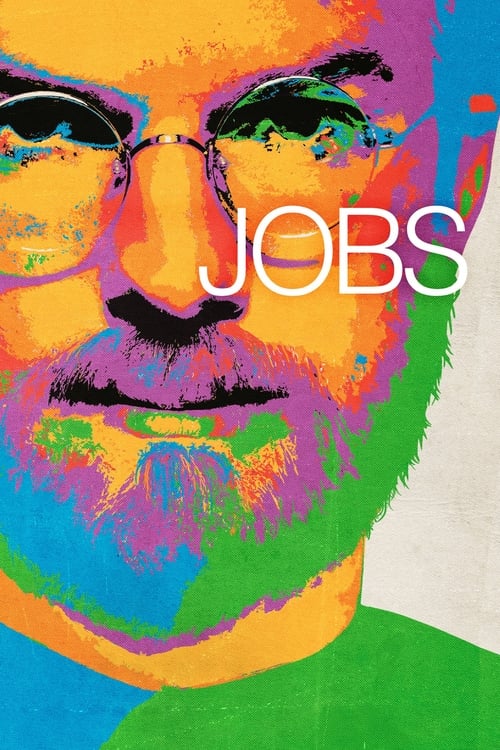
Jobs (2013)
Directed by Joshua Michael Stern
No — Jobs is not woke, scoring 6 out of 100 on our wokeness meter.
Jobs arrives in 2013 with the solemnity of a museum placard and the pacing of a cable rerun, tracing Steve Jobs from Reed College dropout to the iPod unveiling with grim corporate efficiency.
Consciousness Markers
The cast includes a few minority actors in supporting roles, such as Victor Rasuk, Masi Oka, and Nelson Franklin, but the film is overwhelmingly centered on white male historical figures and does not foreground inclusive casting as a theme.
There are no LGBTQ+ characters, themes, or subtext in the film.
The film includes female characters such as Chrisann Brennan and Laurene Powell, but it does not advance a feminist perspective or critique patriarchal structures.
Race and racial justice are not addressed or thematically explored in the film.
Environmental issues or climate advocacy do not appear in the film.
The film is a celebration of entrepreneurial capitalism and Apple's rise, with no systemic critique of wealth or corporate power.
Body image, size acceptance, or related themes are absent.
Jobs is portrayed as erratic and obsessive, but the film does not frame this through a neurodivergence or mental-health-awareness lens.
The film takes liberties with historical accuracy, but these are conventional biopic dramatizations rather than ideologically revisionist reframing.
The film does not deliver explicit social or political lectures; its tone is a conventional rise-fall-rise biopic.
Why it received this score
Jobs arrives in 2013 with the solemnity of a museum placard and the pacing of a cable rerun, tracing Steve Jobs from Reed College dropout to the iPod unveiling with grim corporate efficiency. Ashton Kutcher does the walk, the stare, the fruit-only diet of the soul. The structure is rise, fall, rise, a blueprint so familiar that the audience can set a watch by it. What the film declines to do is argue with anything. It presents the garage, the venture capital, the boardroom coup, and the eventual vindication as natural weather, and asks us to admire the man who survived it.
The picture's engagement with social consciousness is limited almost entirely to its supporting cast. Victor Rasuk, Masi Oka, and Nelson Franklin appear among the engineers, doing competent work in roles that neither comment on nor complicate the overwhelmingly white, overwhelmingly male history being dramatized. This is casting as wallpaper: present, unobtrusive, never asked to carry meaning. Every other marker of contemporary cultural awareness is simply absent. There is no critique of the fortune being assembled on screen, no feminist reading of the women who drift through Jobs's life as inconveniences, no framing of his volatility as anything but genius with poor manners.
What remains is a film that regards its subject with the reverence of a shareholder meeting. It takes liberties with the record, as biopics do, but the liberties serve drama, not ideology. Nobody lectures us. Nobody explains how we ought to feel about corporate power or the people it grinds up along the way. The film's only sermon is the one it does not preach, and that silence is, in its own incurious fashion, the most honest thing about it.
Analysis generated by our Consciousness Algorithm


Synopsis
The story of Steve Jobs' ascension from college dropout into one of the most revered creative entrepreneurs of the 20th century.
Questions about Jobs
Is Jobs woke?
No — Jobs is not woke, scoring 6 out of 100 on our wokeness meter. That earns it a verdict of Ultra Based.
Does Jobs have any woke elements?
Very few. None of the 10 markers reaches 30, the level where a marker counts as present; the highest is Representation Casting at 15.
How does Jobs compare to other 2013 movies?
It ranks #181 of the 274 films from 2013 we've scored; their average is 14. The wokest is Belle (76).
How is the Woke Score calculated?
An AI-assisted process researches the film and its reception, scores it 0–100 on ten markers, then combines those into one 0–100 Woke Score. It measures a specific set of 2020s cultural themes, not film quality.