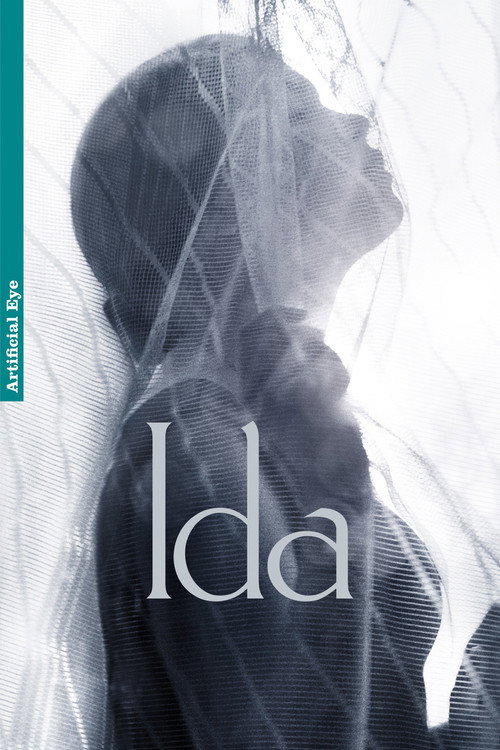
Ida (2013)
Directed by Paweł Pawlikowski
No — Ida is not woke, scoring 8 out of 100 on our wokeness meter.
Ida arrives in black and white, in a 4:3 frame, at eighty minutes, and it wastes none of them.
Consciousness Markers
Ida shares a brief kiss and a night with the saxophonist Lis, but this is framed as a moment of worldly experimentation rather than an LGBTQ+ advocacy theme.
The film centers on two complex women, the novice Ida and her hard-drinking prosecutor aunt Wanda, but it is a character study rather than a feminist polemic.
The film reckons with Jewish identity and Polish complicity during the Holocaust, but treats these as historical tragedy rather than modern racial-justice consciousness.
The cast is entirely Polish, drawn from the national film industry to authentically portray a Polish story; there is no deliberate diversity casting or commentary on representation.
No environmental or climate themes appear in the film.
The film touches on Stalinism and postwar Poland but offers no eat-the-rich economic critique.
No body-positivity themes are present.
No neurodivergence themes are present.
The film is a restrained historical drama about the Holocaust and Stalinism, not a modern ideological rewriting of history.
Critics repeatedly praised the film's reticence; it deliberately leaves historical context unstated, building it into atmosphere rather than lecturing the audience.
Why it received this score
Ida arrives in black and white, in a 4:3 frame, at eighty minutes, and it wastes none of them. Pawel Pawlikowski sends a young novitiate named Anna out of her convent and into the company of her aunt Wanda, a chain-smoking former state prosecutor with a Stalinist past and a bottomless melancholy. The two women drive through a Poland that feels depopulated, hunting for the graves of Ida's Jewish parents. The result is a compact masterpiece that refuses to raise its voice.
The cast is drawn entirely from the Polish film industry, which is to say a Polish story told by Polish performers, assembled for authenticity and not for a diversity ledger. Ida shares a kiss and a night with the saxophonist Lis, a moment of worldly experiment the film observes without advocacy. Two complicated women anchor the narrative, yet this is a character study and not a feminist tract. Jewish identity and Polish complicity sit at the center, treated as historical tragedy instead of a modern racial-justice lesson.
The remaining categories find nothing to hold. There is no climate crusade, no eat-the-rich economics, no body positivity, no neurodivergence, no ideological rewriting of the historical record. The film's reputation rests on its reticence. Critics noted that the German occupation, the Holocaust, and Stalinism are never explained, only absorbed into the atmosphere of a country that feels dead. That refusal to lecture is the entire point. Wanda drinks, sleeps around, and steps from a window. Ida tries on her aunt's heels and evening gown, sleeps with Lis, then puts the habit back on and walks away. Nothing is spelled out, and the film trusts us to feel the weight without a single explanatory title card.
Analysis generated by our Consciousness Algorithm


Synopsis
In 1960s Poland, young novitiate Anna is on the verge of taking her vows when she discovers a family secret dating back to the years of the German occupation.
Questions about Ida
Is Ida woke?
No — Ida is not woke, scoring 8 out of 100 on our wokeness meter. That earns it a verdict of Ultra Based.
Does Ida have any woke elements?
Very few. None of the 10 markers reaches 30, the level where a marker counts as present; the highest is Feminist Agenda at 15.
How does Ida compare to other 2013 movies?
It ranks #137 of the 274 films from 2013 we've scored; their average is 14. The wokest is Belle (76).
How is the Woke Score calculated?
An AI-assisted process researches the film and its reception, scores it 0–100 on ten markers, then combines those into one 0–100 Woke Score. It measures a specific set of 2020s cultural themes, not film quality.