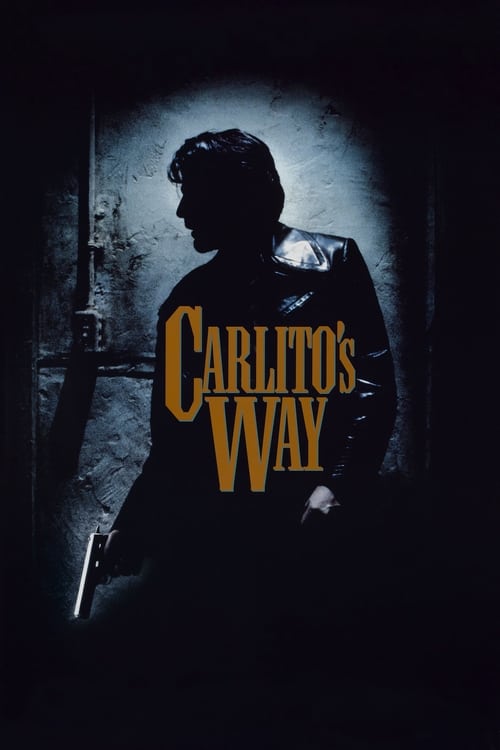
Carlito's Way (1993)
Directed by Brian De Palma
No — Carlito's Way is not woke, scoring 15 out of 100 on our wokeness meter.
The film begins in 1975 with Carlito Brigante walking out of prison on a technicality, a Nuyorican career criminal who announces his retirement from the life.
Consciousness Markers
Features a predominantly Latino cast in a Nuyorican crime story, though the lead is played by Italian-American Al Pacino; representation is organic to the source material rather than a modern diversity initiative.
No LGBTQ+ themes or characters are present.
The female lead is primarily a love interest and damsel figure; no feminist agenda is advanced.
The film depicts a Puerto Rican criminal underworld but does not explore systemic racism or racial identity in a modern activist sense.
No climate or environmental themes are present.
Crime and corruption are portrayed as personal moral failings, not as a critique of capitalism.
No body positivity themes or messaging are present.
No neurodivergence themes or characters are present.
The film is a fictional crime drama based on novels, not a revisionist historical narrative.
The film tells its story without overt social or political lecturing.
Why it received this score
The film begins in 1975 with Carlito Brigante walking out of prison on a technicality, a Nuyorican career criminal who announces his retirement from the life. This is roughly as plausible as a fish announcing its retirement from water, and De Palma knows it. The rest is a neo-noir of accumulating obligation: the nightclub stake, the cousin's doomed drug deal, the lawyer Kleinfeld with his cocaine and his yacht, and Benny Blanco from the Bronx, who is the future arriving early. The whole thing is elegant, fatalistic, and shot with the director's customary vertigo.
On the matter of cultural instruction, the film simply does not participate. Gail, a ballet dancer who strips, exists to be loved, endangered, and impregnated. She is a destination and a damsel, and the screenplay asks nothing more of her. Kleinfeld's corruption is a personal failing, not an indictment of the legal profession or the wider economy, and the criminals here ruin themselves through appetite and vanity instead of oppression. There is no environmental theme, no neurodivergent character, no body-positive messaging, no LGBTQ presence, and no historical revisionism, this being fiction derived from two novels by a judge. Nobody turns to the camera to explain the times. The film tells its story and lets the audience keep up.
Representation, however, is real here, if unglamorous. The cast is largely Latino, the barrio is rendered as a place rather than a metaphor, and the production reportedly softened Pachanga's dialogue after objections from Latino cast and crew, a small backstage negotiation that counts for something. The lead is still an Italian-American man playing a Puerto Rican, which today would summon a season of commentary. But the film makes no argument about it. It is a crime picture from a colder cellar, concerned with loyalty, timing, and the impossibility of leaving. The train does not wait.
Analysis generated by our Consciousness Algorithm
Part of


Synopsis
Free after years in prison, Carlito Brigante intends to give up his criminal ways, but it's not long before the ex-con is sucked back into the New York City underworld.
Questions about Carlito's Way
Is Carlito's Way woke?
No — Carlito's Way is not woke, scoring 15 out of 100 on our wokeness meter. That earns it a verdict of Ultra Based.
Does Carlito's Way have any woke elements?
1 of the 10 markers register at 30 or above, led by Representation Casting (35). On Representation Casting: Features a predominantly Latino cast in a Nuyorican crime story, though the lead is played by Italian-American Al Pacino; representation is organic to the source material rather than a modern diversity initiative.
How does Carlito's Way compare to other 1993 movies?
It ranks #23 of the 97 films from 1993 we've scored; their average is 11. The wokest is Bound by Honor (60).
How is the Woke Score calculated?
An AI-assisted process researches the film and its reception, scores it 0–100 on ten markers, then combines those into one 0–100 Woke Score. It measures a specific set of 2020s cultural themes, not film quality.