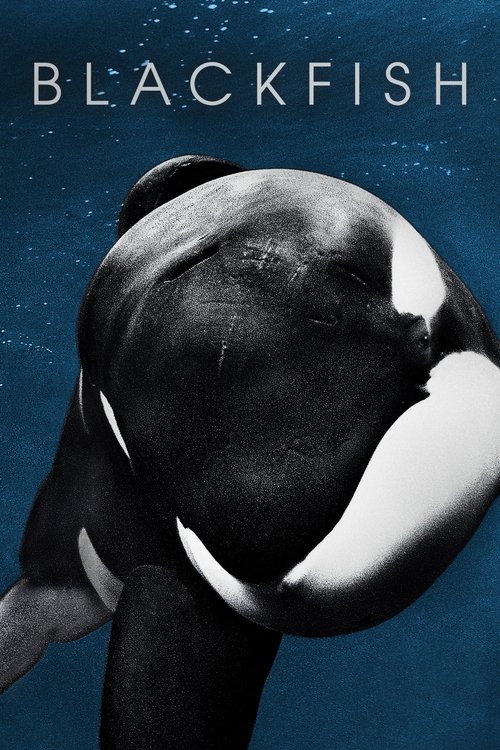
Blackfish (2013)
Directed by Gabriela Cowperthwaite
No — Blackfish is not especially woke, scoring 30 out of 100 on our wokeness meter.
Gabriela Cowperthwaite's documentary arrives with the patience of a coroner and the temperament of a prosecutor.
Consciousness Markers
The documentary is explicitly advocacy-driven, using emotional testimony and argumentation to persuade viewers and spur action.
It strongly critiques SeaWorld as a corporation prioritizing profit over animal welfare and public honesty, aligning with anti-corporate 'eat the rich' sentiment.
The documentary features a female director and several female interviewees, but it does not consciously pursue diverse representation as a thematic goal.
A woman directed the film and it critiques the victim-blaming of a female trainer, but feminist analysis is not a central framework.
No LGBTQ+ themes or characters are present in the film.
The film does not address racial issues or racial consciousness.
The film concerns animal captivity and marine conservation, not climate change or climate activism.
No body positivity themes are present.
The film discusses trauma and psychological stress in orcas, but not human neurodivergence.
It challenges SeaWorld's official narrative, but this is contemporary corporate rebuttal rather than revisionist history in the modern social justice sense.
Why it received this score
Gabriela Cowperthwaite's documentary arrives with the patience of a coroner and the temperament of a prosecutor. It concerns Tilikum, an orca who killed three people, and the industry that kept him in a concrete tank for decades. The film was made after the 2010 death of trainer Dawn Brancheau, and it exists partly to dismantle the official explanation that she died because of her ponytail. That explanation was, as the film demonstrates, a convenient fiction. The director's presence behind the camera is notable, and the film treats Brancheau as a professional rather than a cautionary tale, though it never organizes itself around a broader argument about gender. The women here are witnesses and subjects, not a thesis.
Where the film applies real pressure is at the balance sheet. SeaWorld is presented as a company that captured juvenile whales, separated calves from mothers, and sold tickets to the results. The trainers who speak on camera describe being told the animals lived as long in captivity as in the wild, a claim the film treats as a lie with a marketing budget. Corporate profit placed above the welfare of sentient creatures, and above the honesty owed to the public, is the engine of the whole thing. The film does not need to say the phrase out loud. The ledger says it.
As advocacy, it is relentless. Testimony is arranged for maximum persuasion, footage of attacks is deployed without apology, and the closing minutes are built to send viewers toward a petition. SeaWorld declined to participate and later called the result propaganda, which is a fair description of a film with a stated purpose. The aftermath was substantial: attendance fell, legislation followed, and the company eventually announced it would stop breeding orcas. A documentary that changes a corporation's behavior is rare. This one did, and it earned the right to be pleased with itself.
Analysis generated by our Consciousness Algorithm


Synopsis
Notorious killer whale Tilikum is responsible for the deaths of three individuals, including a top killer whale trainer. Blackfish shows the sometimes devastating consequences of keeping such intelligent and sentient creatures in captivity.
Questions about Blackfish
Is Blackfish woke?
No — Blackfish is not especially woke, scoring 30 out of 100 on our wokeness meter. That earns it a verdict of Based.
Does Blackfish have any woke elements?
2 of the 10 markers register at 30 or above, led by Lecture Energy (80) and Eat the Rich (60). On Lecture Energy: The documentary is explicitly advocacy-driven, using emotional testimony and argumentation to persuade viewers and spur action.
How does Blackfish compare to other 2013 movies?
It ranks #31 of the 274 films from 2013 we've scored; their average is 14. The wokest is Belle (76).
How is the Woke Score calculated?
An AI-assisted process researches the film and its reception, scores it 0–100 on ten markers, then combines those into one 0–100 Woke Score. It measures a specific set of 2020s cultural themes, not film quality.