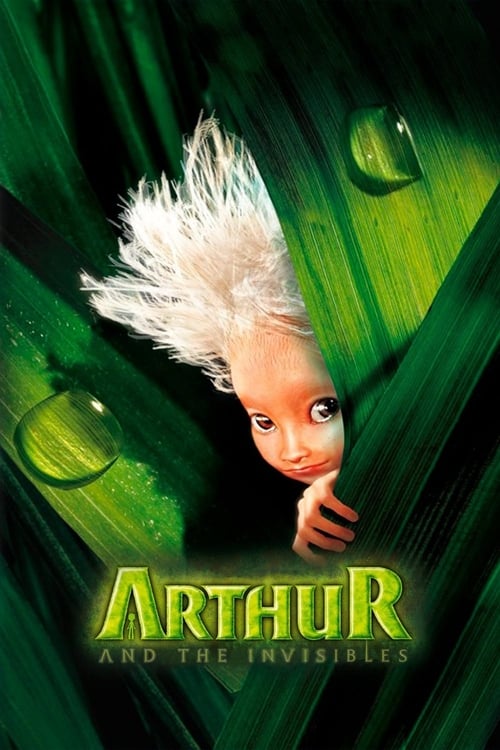
Arthur and the Invisibles (2006)
Directed by Luc Besson
No — Arthur and the Invisibles is not woke, scoring 12 out of 100 on our wokeness meter.
Arthur and the Invisibles is a French production of unusual expense, reworked for American audiences through nine minutes of surgical removal and a replacement narrator.
Consciousness Markers
The villain is a greedy real estate developer evicting a grandmother to demolish her home, and the parents' money-grubbing subplot was cut for US audiences — a stock 'evil developer' trope with mild anti-greed framing.
Princess Selenia is a sword-wielding warrior princess who confronts the villain alone, giving her modest agency, but the film remains a conventional boy-hero adventure with a romantic reward.
The cast is overwhelmingly white British and American, and the few Black voice actors (Snoop Dogg, Anthony Anderson) were cast as monkey-like 'Koolamassai' creatures, which critics flagged as poor taste rather than inclusive representation.
The Minimoys are described as living in harmony with nature, and a flood drives the climax, but this is generic fairy-tale environmentalism rather than a climate message.
The film is a light children's adventure that delivers its environmental and anti-greed notes through plot rather than preaching.
No LGBTQ+ characters, themes, or subtext appear anywhere in the film.
The film has no racial consciousness; its only racialized element is the criticized depiction of Black-voiced monkey-like creatures, which is the opposite of the marker.
No body-positive themes or diverse body representations are present.
No neurodivergent characters or themes are depicted.
The film is a fantasy adventure with no historical claims to revise.
Why it received this score
Arthur and the Invisibles is a French production of unusual expense, reworked for American audiences through nine minutes of surgical removal and a replacement narrator. A boy shrinks into a garden kingdom, hunts for rubies, and saves his grandmother's house from the wrecking ball. The machinery is efficient. The film was built to move merchandise, and it moved plenty of it.
The villain, one Ernest Davido, is a real estate developer evicting an old woman so he can demolish her home, which supplies the picture with its most legible political note. Greed is bad. Grandmothers should keep their houses. The Minimoys live in harmony with nature and a flood settles the third act, though the ecological framing never rises above the level of a picture book. Princess Selenia wields a sword and confronts the villain alone, a gesture toward agency that the plot promptly hands back to Arthur as a romantic prize.
The less said about the Koolamassai the better, though the record should reflect that two Black performers were hired to voice monkey-adjacent creatures, a decision that drew criticism at the time and has not aged into anything kinder. Elsewhere the film is a conventional boy-hero adventure with a white European cast and no interest in interrogating its own arrangements. There is no queer presence, no body diversity, no neurodivergent character, no historical claim to revise. The social consciousness on display amounts to a mild suspicion of landlords and a fondness for trees, delivered through plot instead of sermon. It is a children's film, and it behaves like one.
Returning as JSON only was requested, so the classification accompanies the text: a picture adapted from published children's books, and little else worth filing under a heading of cultural consequence. The sommelier swirls the glass, finds notes of damp mushroom and earnest French money, and sets it down unfinished.
{"thematic_tags": ["book_adaptation"]}.
Analysis generated by our Consciousness Algorithm
Part of


Synopsis
Ten-year-old Arthur, in a bid to save his grandfather's house from being demolished, goes looking for some much-fabled hidden treasure in the land of the Minimoys, tiny people living in harmony with nature.
Questions about Arthur and the Invisibles
Is Arthur and the Invisibles woke?
No — Arthur and the Invisibles is not woke, scoring 12 out of 100 on our wokeness meter. That earns it a verdict of Ultra Based.
Does Arthur and the Invisibles have any woke elements?
1 of the 10 markers register at 30 or above, led by Eat the Rich (30). On Eat the Rich: The villain is a greedy real estate developer evicting a grandmother to demolish her home, and the parents' money-grubbing subplot was cut for US audiences — a stock 'evil developer' trope with mild anti-greed framing.
How does Arthur and the Invisibles compare to other 2006 movies?
It ranks #60 of the 211 films from 2006 we've scored; their average is 11. The wokest is An Inconvenient Truth (92).
Is Arthur and the Invisibles the most woke Arthur movie?
Yes. It scores highest of the 4 Arthur films we've scored.