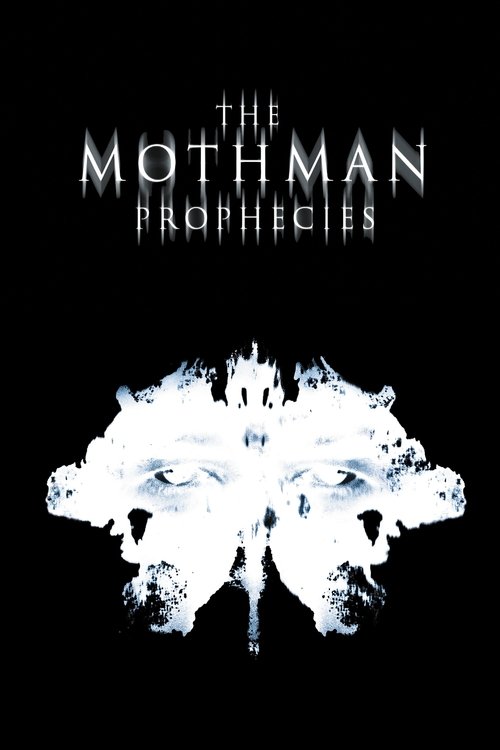
The Mothman Prophecies (2002)
Directed by Mark Pellington
No — The Mothman Prophecies is not woke, scoring 0 out of 100 on our wokeness meter.
"The Mothman Prophecies" concerns a Washington Post columnist named John Klein, a dead wife, a sketchbook filled with drawings of a red-eyed winged thing, and a small West Virginia town where the residents are seeing it too.
Consciousness Markers
The cast is entirely white, with no meaningful representation of marginalized groups; diversity is not a factor in the film.
No LGBTQ+ characters, themes, or subtext appear in the film.
Laura Linney plays a sheriff, but the film does not engage with feminist themes or gender politics; her role is conventional.
The film does not address race, racism, or racial identity; its concerns are supernatural and psychological.
No environmental or climate-related themes are present.
The film contains no critique of capitalism, wealth inequality, or corporate power.
No body positivity themes or diverse body representation are present.
The film depicts paranoia and supernatural obsession, but not neurodivergence as a social identity or advocacy theme.
While the film claims to be based on true events and alters details of the Silver Bridge collapse, it does not reinterpret history through a modern progressive lens.
The film is a mood-driven supernatural thriller and does not lecture the audience on social or political issues.
Why it received this score
"The Mothman Prophecies" concerns a Washington Post columnist named John Klein, a dead wife, a sketchbook filled with drawings of a red-eyed winged thing, and a small West Virginia town where the residents are seeing it too. Mark Pellington directs the material as a study in dread, all drained color and uneasy sound design, and the film is far more interested in the texture of paranoia than in any argument about how people ought to live. There is no thesis here. There is a man standing in a motel room at 2:30 in the morning, listening to a voice on the phone that knows things it should not know.
The picture's concerns are grief, obsession, and the slow erosion of a rational mind. Laura Linney plays a sheriff, capably, and the film never asks us to reflect on what her gender means in that role. The cast is white and the screenplay does not pause to consider it. No character is present to explain the moral of the story, because the story does not have one. Comparisons to The X-Files are fair. Both treat the unexplained as a mood to be sustained, not a position to be advanced.
The marketing leaned hard on the claim that this all really happened, and the closing titles assert that the Silver Bridge collapse was never explained, which is untrue, and that thirty-six people died, when the real figure was forty-six. That is mythmaking in service of a ghost story, not a reinterpretation of history through any contemporary lens. The film wants to unsettle. It has no interest in instructing. A relic of a time when a horror film could simply be about a thing in the dark.
Analysis generated by our Consciousness Algorithm


Synopsis
Reporter John Klein is plunged into a world of impossible terror when fate draws him to the sleepy West Virginia town of Point Pleasant, whose residents are being visited by a great winged shape that sows hideous nightmares and fevered visions.
Questions about The Mothman Prophecies
Is The Mothman Prophecies woke?
No — The Mothman Prophecies is not woke, scoring 0 out of 100 on our wokeness meter. That earns it a verdict of Ultra Based.
Does The Mothman Prophecies have any woke elements?
No. All 10 markers score zero.
How does The Mothman Prophecies compare to other 2002 movies?
It ranks #129 of the 150 films from 2002 we've scored; their average is 12. The wokest is Far from Heaven (78).
How is the Woke Score calculated?
An AI-assisted process researches the film and its reception, scores it 0–100 on ten markers, then combines those into one 0–100 Woke Score. It measures a specific set of 2020s cultural themes, not film quality.