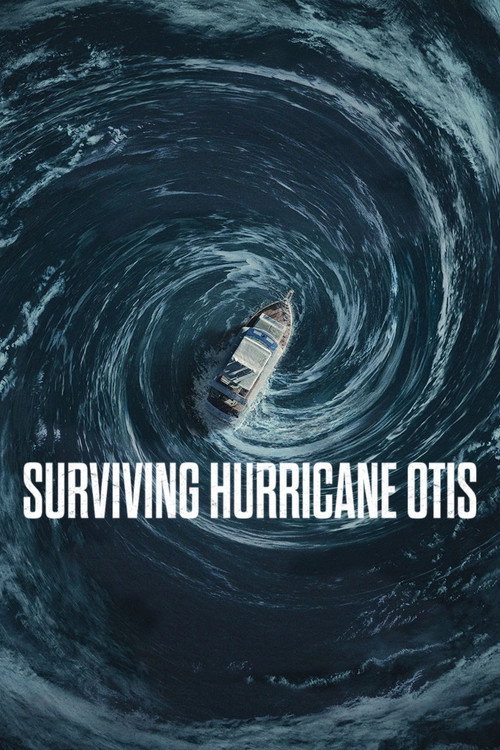
Surviving Hurricane Otis (2026)
Directed by Jorge Michel Grau
No — Surviving Hurricane Otis is not woke, scoring 2 out of 100 on our wokeness meter.
Surviving Hurricane Otis arrives with the sober equipment of a survival drama: two estranged brothers, a Category 5 storm, and the city of Acapulco doing what cities do when the weather stops negotiating.
Consciousness Markers
The cast is entirely Mexican, which is natural for a film set in Acapulco, not a deliberate diversity casting choice in the modern woke sense.
No LGBTQ+ themes or characters are indicated in the metadata or research.
The story focuses on two estranged brothers; no feminist agenda is present.
The keyword 'social issues' is vague and does not specifically indicate racial consciousness or commentary.
The film depicts survival during a hurricane, but there is no evidence of explicit climate change activism or a climate crusade.
No anti-capitalist or 'eat the rich' themes are evident from the available information.
No body positivity themes are indicated.
No neurodivergence themes or characters are indicated.
The film is inspired by true events but does not appear to revise or reinterpret history in a woke manner.
The film is described as an emotional survival drama, not a preachy or lecture-driven narrative.
Why it received this score
Surviving Hurricane Otis arrives with the sober equipment of a survival drama: two estranged brothers, a Category 5 storm, and the city of Acapulco doing what cities do when the weather stops negotiating. Jorge Michel Grau directs with a straight back. The film is inspired by real events, which in this classification business means we check the historical record for reinterpretation and find none. The storm is the antagonist. The brothers are the argument. Nobody pauses mid-flood to explain the carbon cycle.
The cast is Mexican because Acapulco is in Mexico, a distinction the current taxonomy insists upon. Natural casting is not the same as curated casting, and this film does the former without ceremony. There is no LGBTQ+ subplot, no feminist thesis, no meditation on body image, no neurodivergent coding smuggled into the younger brother's panic attacks. The keyword social issues on the marketing sheet is doing heavy lifting for a film that mostly involves water.
What remains is craft and weather. The film wants us to feel the wind and the fear, and it appears to succeed well enough. This is a drama about endurance and reconciliation, the sort of picture that has existed since the medium learned to point a camera at the sea. Nothing in the available record suggests a sermon, a lecture, or a corrective to the historical record. Occasionally a film simply tells us that hurricanes are bad and brothers should call each other. That is not an ideology. That is a Tuesday.
Analysis generated by our Consciousness Algorithm


Synopsis
Two estranged brothers struggle to survive Hurricane Otis in Acapulco, where their bond and courage turn adversity into hope.
Critic Reviews
“Surviving Hurricane Otis blends a dangerous natural disaster with a story of brotherhood, survival, and social inequality.”
“A Mexican disaster film turns a hurricane into a harsh argument about who dies for whose property.”
Questions about Surviving Hurricane Otis
Is Surviving Hurricane Otis woke?
No — Surviving Hurricane Otis is not woke, scoring 2 out of 100 on our wokeness meter. That earns it a verdict of Ultra Based.
Does Surviving Hurricane Otis have any woke elements?
No. All 10 markers score zero.
How does Surviving Hurricane Otis compare to other 2026 movies?
It ranks #702 of the 800 films from 2026 we've scored; their average is 23. The wokest is Between Us (89).
How is the Woke Score calculated?
An AI-assisted process researches the film and its reception, scores it 0–100 on ten markers, then combines those into one 0–100 Woke Score. It measures a specific set of 2020s cultural themes, not film quality.