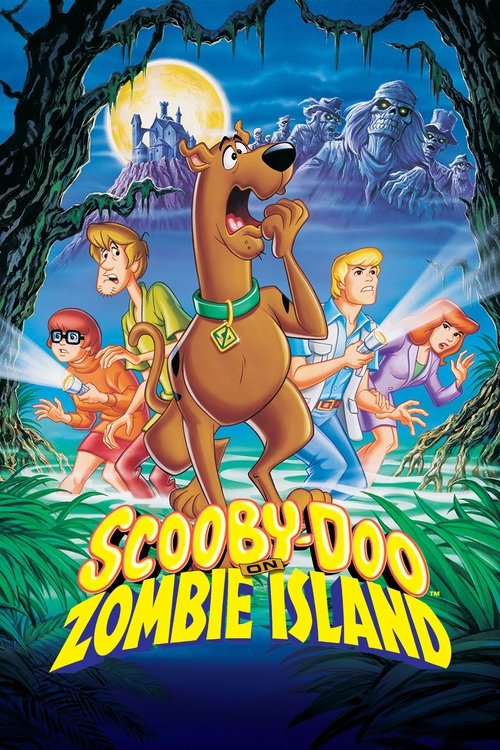
Scooby-Doo on Zombie Island (1998)
Directed by Jim Stenstrum
No — Scooby-Doo on Zombie Island is not woke, scoring 0 out of 100 on our wokeness meter.
Scooby-Doo on Zombie Island arrived in 1998 as a direct-to-video experiment, a darker take on the familiar formula.
Consciousness Markers
No evidence of deliberate modern representation casting; the voice cast and characters reflect a standard 1990s Scooby-Doo ensemble.
There are no LGBTQ+ themes, characters, or subtext in the film.
Daphne and Velma are active characters, but the film does not advance a modern feminist agenda or commentary.
The New Orleans and voodoo-adjacent setting is used for atmosphere, not racial consciousness or social commentary.
There is no environmental or climate-crusade messaging in the story.
The film contains no eat-the-rich framing or anti-capitalist critique.
There is no body-positivity theme or related commentary.
No neurodivergence themes or representation are present.
The film is a fictional supernatural mystery and does not revise or reinterpret real history.
The film is an entertaining mystery-adventure and does not pause for modern moral lecturing.
Why it received this score
Scooby-Doo on Zombie Island arrived in 1998 as a direct-to-video experiment, a darker take on the familiar formula. The gang reunites after a year apart, with Daphne now hosting a reality show about real ghosts. They travel to a Louisiana bayou island where the monsters, for once, are not men in masks. The film treats its audience to genuine werecats, zombies, and a voodoo curse. It does so without a single moment of moral instruction. This is a story about solving a mystery, not about reforming society.
The characters remain true to their established selves. Fred is earnest and slightly dim, Daphne is resourceful but focused on her career, Velma is the brains, and Shaggy and Scooby are hungry cowards. No one delivers a sermon on gender equality. The New Orleans setting provides atmosphere and local color, not a platform for racial commentary. The villains are immortal werecats who drain life to preserve their own, a motive rooted in selfishness, not systemic critique. There is no eat-the-rich subtext, no body-positivity message, no neurodivergent representation. The film simply tells its story.
In an era when even children's animation often carries a checklist of contemporary causes, Zombie Island stands as a relic of a different time. It offers scares, laughs, and a satisfying resolution. The only thing it preaches is that real friendship endures. That may not satisfy those seeking cultural affirmation, but it makes for a remarkably sturdy piece of entertainment. The film has aged well precisely because it never tried to be anything other than a good Scooby-Doo mystery.
Analysis generated by our Consciousness Algorithm


Synopsis
After going their separate ways, Scooby-Doo, Shaggy, Velma, Daphne, and Fred reunite to investigate the ghost of Moonscar the pirate on a haunted bayou island, but it turns out the swashbuckler's spirit isn't the only creepy character on the island. The sleuths also meet up with cat creatures and zombies... and it looks like for the first time in their lives, these ghouls might actually be real.
Questions about Scooby-Doo on Zombie Island
Is Scooby-Doo on Zombie Island woke?
No — Scooby-Doo on Zombie Island is not woke, scoring 0 out of 100 on our wokeness meter. That earns it a verdict of Ultra Based.
Does Scooby-Doo on Zombie Island have any woke elements?
No. All 10 markers score zero.
How does Scooby-Doo on Zombie Island compare to other 1998 movies?
It ranks #110 of the 118 films from 1998 we've scored; their average is 12. The wokest is Show Me Love (60).
How is the Woke Score calculated?
An AI-assisted process researches the film and its reception, scores it 0–100 on ten markers, then combines those into one 0–100 Woke Score. It measures a specific set of 2020s cultural themes, not film quality.