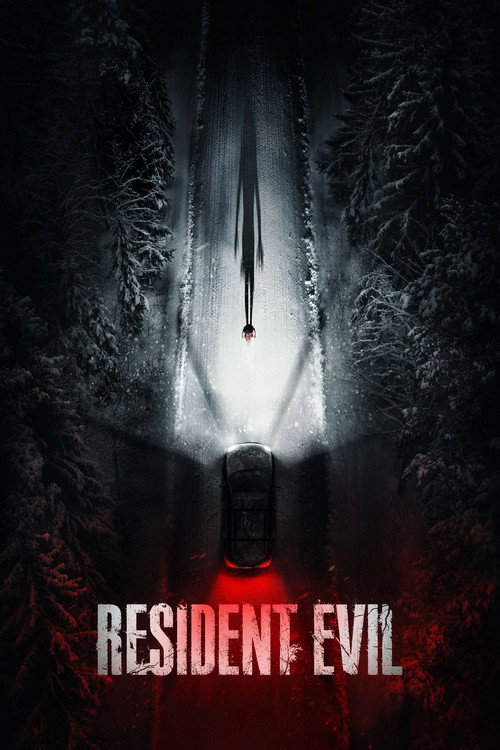
Resident Evil (2026)
Directed by Zach Cregger · $60.0M domestic
Partly · Woke-Adjacent
How we score movies →Consciousness Markers
The film's primary action role was deliberately re-written from a male character into Maxine, played by Indigenous actress and professional boxer Kali Reis. The casting is documented as an intentional subversion of genre norms, not an incidental creative choice.
The Umbrella Corporation's zombie-producing greed is the franchise's bedrock, and this film adds a fresh gig-economy layer: Bryan takes a dangerous double-pay delivery to support his pregnant girlfriend, framing the horror as an extension of precarious labor. Reviewers explicitly called out the economic desperation angle.
The film is structured around a deliberate gender inversion: the woman is the stoic, combat-capable survivor and the man is the panicking, incompetent everyman. Critics specifically noted this subversion of traditional horror and action role assignments.
The cast is diverse and the lead action role went to an Indigenous actress whose real-world advocacy for MMIWG is well-documented. However, the film itself does not appear to foreground racial identity as a narrative theme, keeping this marker low.
The anti-corporate and gig-economy themes carry some inherent preachiness, but critics praised the film's genre craft over its messaging. The sermon, if present, is buried under enough intestines that most audiences will not notice it.
No LGBTQ+ characters, themes, or subtext are present in any available research or metadata. The score is zero because the evidence is zero.
No climate, environmental, or ecological themes are present. The biohazard outbreak is framed as corporate malfeasance, not an environmental allegory.
No body positivity themes, messaging, or relevant character dynamics are present in the available material.
Bryan's anxiety is a horror-comedy device for generating audience identification, not a foregrounded or celebrated neurodivergent identity. Hapless everyman is a genre archetype, not a diagnosis.
The film is set in a fictional corporate dystopia with no engagement with real historical events or revisionist reframing of the past.
Synopsis
Medical courier Bryan unwittingly finds himself fighting for survival as one fateful, horrifying night collapses around him in chaos.
Why it received this score
Zach Cregger's *Resident Evil* arrives carrying the full weight of franchise expectation, gamer outrage, and the considerable ambition of a horror director who has apparently decided that video game movies should be, against all historical precedent, good. The film follows Bryan, a gig-economy medical courier, through a single catastrophic night in Raccoon City as the Umbrella Corporation's experiments in unchecked corporate greed achieve their logical conclusion: everyone becomes a zombie. This is, for the record, not a metaphor. It is also, for the record, a metaphor.
The film's most legible progressive credential is its gender architecture. Cregger wrote the action-competent role of Maxine for a man, then re-wrote it wholesale for Kali Reis, an Indigenous professional boxer, positioning her as the film's capable combatant while Austin Abrams's Bryan panics, fumbles firearms, and functions primarily as a surrogate for the audience member who has never been in a fistfight. Critics received this inversion warmly. The internet received it in the manner the internet typically receives things. Beneath the role-swap, the film's anti-corporate satire runs on franchise fuel: Umbrella is bad, greed dehumanizes, corporations will eventually give everyone a second mouth in their stomach. The gig-economy framing sharpens this slightly, grounding Bryan's presence in Raccoon City in economic desperation rather than heroic duty. He is there because the pay was good. It was not, ultimately, good enough.
What keeps the film from tipping fully into lecture territory is Cregger's commitment to the horror-comedy craft over the thesis statement. The messaging is present, filed neatly beneath the gore and the dark comedic timing, and the film does not stop to make sure you have absorbed it. This is a courtesy that distinguishes Cregger from several of his contemporaries. The progressive sensibilities are structural rather than verbal, embedded in casting decisions and narrative framing rather than delivered as speeches. For a franchise reboot in 2026, this passes as restraint.
Analysis generated by our Consciousness Algorithm
Critic Reviews
“Jovovich isn't at her best, but that's mainly because her character is required to be in shock most of the movie, except when she remembers that she's a Charlie's Angel, or happily sheds clothing to maintain that R-rating. Frankly, most of us can live with that.”
“One of the few video game movies to truly re-create the gaming experience -- from the three-dimensional maps to the structure of encountering increasingly grisly and dangerous foes at higher levels of play.”
“Such a bad movie that its luckiest viewers will be seated next to one of those ignorant pinheads who talk throughout the show.”