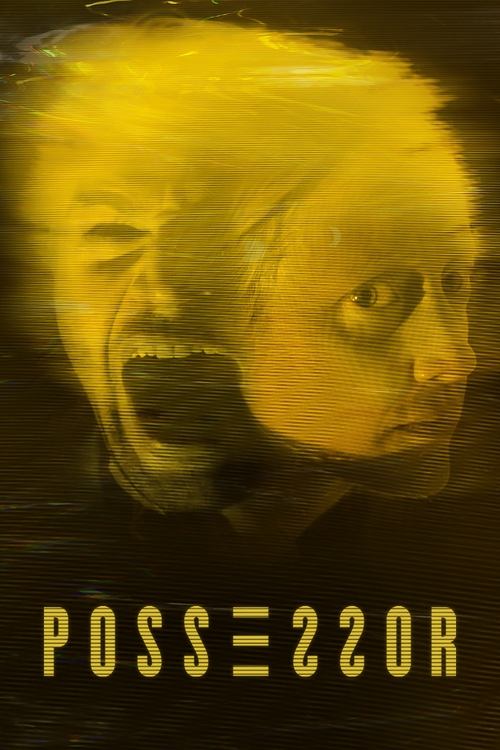
Possessor (2020)
Directed by Brandon Cronenberg
No — Possessor is not woke, scoring 9 out of 100 on our wokeness meter.
Brandon Cronenberg's Possessor arrives with the cold sheen of a surgical instrument and a family name attached to it.
Consciousness Markers
The film features a corporate assassin agency and a wealthy CEO target, offering a cynical but not explicitly anti-capitalist critique of corporate dehumanization.
Cast includes some non-white actors in supporting roles, but they exist naturally without any commentary or deliberate representation agenda.
No LGBTQ+ themes or characters.
Female protagonist is a complex assassin, but the film offers no feminist critique or empowerment narrative.
No engagement with racial themes or consciousness.
No climate or environmental themes.
Body horror is used for shock, not body positivity.
Neurological symptoms and dissociation are horror plot devices, not neurodivergence representation.
No historical revisionism.
No preachy or lecture-like messaging.
Why it received this score
Brandon Cronenberg's Possessor arrives with the cold sheen of a surgical instrument and a family name attached to it. Andrea Riseborough plays Tasya Vos, a contract killer who rents other people's bodies through a brain implant and vacates them by compelling the host to destroy himself. The film is grimy, precise, and deeply unpleasant in the way its director's father once made unpleasantness a national export. It has no interest in instructing anyone about anything, which comes as its own kind of relief.
The protagonist is a woman, and the film declines to make anything of it. She is not a symbol, not an empowerment arc, not a rebuke to anything in particular. The supporting cast includes performers of color who move through the story with no commentary attached to their presence. The body horror, of which there is a great deal, exists to unsettle the stomach, not to celebrate any physique. The tremors and dissociative fugues that plague Vos are horror mechanics, engines for generating dread, and no viewer will mistake them for a tender portrait of neurological difference. On the subject of romance and identity, the film simply has nothing to say, and says it loudly.
The sole faint pulse of contemporary complaint comes from the architecture. A shadowy corporation runs the killings, and the target is a wealthy chief executive, which lends the proceedings a sour, cynical odor of institutional dehumanization. That is texture, not thesis. Nobody delivers a monologue about the system. The film would sooner show us a man pushing a gun into his own mouth. We have sat through many pictures that wanted to teach us something. This one only wants to hurt us, and it does.
Analysis generated by our Consciousness Algorithm


Synopsis
Tasya Vos, an elite corporate assassin, uses brain-implant technology to take control of other people’s bodies to terminate high profile targets. As she sinks deeper into her latest assignment, Vos becomes trapped inside a mind that threatens to obliterate her.
Questions about Possessor
Is Possessor woke?
No — Possessor is not woke, scoring 9 out of 100 on our wokeness meter. That earns it a verdict of Ultra Based.
Does Possessor have any woke elements?
Very few. None of the 10 markers reaches 30, the level where a marker counts as present; the highest is Eat the Rich at 15.
How does Possessor compare to other 2020 movies?
It ranks #152 of the 227 films from 2020 we've scored; their average is 21. The wokest is One Night in Miami... (83).
How is the Woke Score calculated?
An AI-assisted process researches the film and its reception, scores it 0–100 on ten markers, then combines those into one 0–100 Woke Score. It measures a specific set of 2020s cultural themes, not film quality.