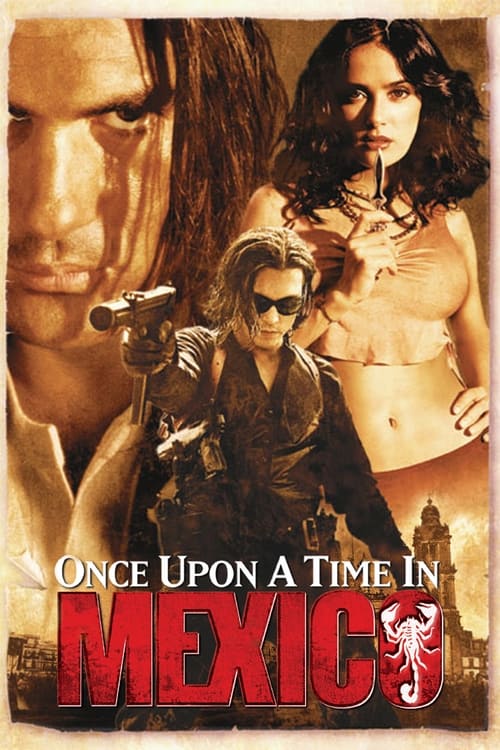
Once Upon a Time in Mexico (2003)
Directed by Robert Rodriguez
No — Once Upon a Time in Mexico is not woke, scoring 0 out of 100 on our wokeness meter.
Robert Rodriguez returned to his Mexico Trilogy in 2003 with a picture that has no interest in instructing anybody about anything.
Consciousness Markers
The film features a predominantly Latino cast, but this is a natural reflection of its Mexican setting and does not constitute woke representation casting.
No LGBTQ+ themes or characters are present.
The film is a male-driven revenge action story with no feminist agenda; female characters are sidelined or killed.
No exploration of racial issues or consciousness.
No climate-related themes.
The film depicts corruption and drug cartels but offers no anti-capitalist critique.
No body positivity themes.
No neurodivergence representation.
The film is a fictional action story, not a revisionist take on historical events.
The film does not lecture the audience on social issues.
Why it received this score
Robert Rodriguez returned to his Mexico Trilogy in 2003 with a picture that has no interest in instructing anybody about anything. Once Upon a Time in Mexico is a neo-Western revenge film, shot on early high-definition video, and it moves like a machine gun with a grudge. Antonio Banderas plays the mariachi once more, though the movie parks him off screen for long stretches so Johnny Depp can drift through in tourist shirts and steal the whole affair. A corrupt CIA operative, a cartel boss, a coup against the president, a general nursing an old wound: the pieces are assembled and then detonated.
The cast is heavily Latino, and it registers as casting logic, not as a statement. The story is set in Mexico and the players are Mexican. Nothing pauses to comment on the fact, which is the correct approach and also the one that leaves no cultural boxes ticked. Women in this world are memories or bodies. Salma Hayek's Carolina exists mainly to be mourned in flashback. There is no argument about gender here, no interrogation of power beyond the usual business of armed men shooting other armed men. The corruption on display is personal and criminal. Nobody stops to critique the market, the border, or the weather.
Body diversity, neurological difference, historical reinterpretation, climate anxiety: none of it shows up. This film wants blood, guitar riffs, and the Day of the Dead as wallpaper for a gunfight. It delivers those things with genuine craft and no message at all. A relic of a moment when an action sequel could simply be an action sequel, and a critic tasked with taking its social temperature can only record a flat line.
Analysis generated by our Consciousness Algorithm


Synopsis
A corrupt CIA agent Sands hires hitman El Mariachi to assassinate a Mexican general hired by a drug kingpin attempting a coup d'état of the President of Mexico.
Questions about Once Upon a Time in Mexico
Is Once Upon a Time in Mexico woke?
No — Once Upon a Time in Mexico is not woke, scoring 0 out of 100 on our wokeness meter. That earns it a verdict of Ultra Based.
Does Once Upon a Time in Mexico have any woke elements?
No. All 10 markers score zero.
How does Once Upon a Time in Mexico compare to other 2003 movies?
It ranks #131 of the 150 films from 2003 we've scored; their average is 12. The wokest is Mona Lisa Smile (60).
Is Once Upon a Time in Mexico the most woke Mexico movie?
No. It ranks #2 of the 3 Mexico films we've scored; the wokest is Desperado (11).