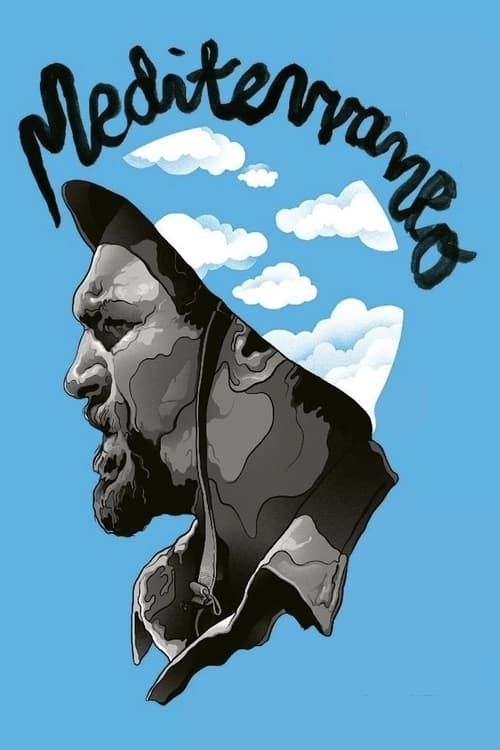
Mediterraneo (1991)
Directed by Gabriele Salvatores
No — Mediterraneo is not woke, scoring 10 out of 100 on our wokeness meter.
Gabriele Salvatores sent a handful of Italian soldiers to a Greek island in 1941 and left them there, and the result took the Academy Award for Best Foreign Language Film in 1992.
Consciousness Markers
Historians cite the film as a prime example of the 'Italiani brava gente' myth, sanitizing the Italian occupation of Greece by depicting soldiers as harmless buffoons while omitting the documented atrocities, though this is a national self-flattering myth rather than a modern ideological rewrite.
The cast is entirely Italian and Greek performers playing Mediterranean characters, with a Greek prostitute, a shepherdess, and a Turkish merchant appearing naturally in the story; there is no modern identity-conscious casting agenda at work.
Vasilissa and the shepherdess have some agency (a shared romance, a restaurant dream), but the women exist largely as romantic or erotic fixtures for the male soldiers rather than as vehicles for a feminist argument.
The recurring refrain 'one face, one race' gestures at Mediterranean kinship between Italians and Greeks, but it is a folk sentiment of ethnic brotherhood rather than modern racial-justice consciousness.
The film is a gentle, sun-drenched humanist comedy that shows rather than preaches; it carries almost no didactic messaging.
No LGBTQ+ characters, themes, or subtext appear anywhere in the film.
No environmental or climate themes are present.
The film contains no critique of capitalism, wealth, or class exploitation.
No body-positivity themes or messaging appear.
No neurodivergence is depicted or discussed; the soldiers' quirks are comic eccentricity, not a condition framed for awareness.
Why it received this score
Gabriele Salvatores sent a handful of Italian soldiers to a Greek island in 1941 and left them there, and the result took the Academy Award for Best Foreign Language Film in 1992. Roger Ebert walked out. Both facts can be true. The men are misfits: a lieutenant who paints, a sergeant who still wants a war, a muleteer with a donkey named Silvana. The film watches them forget the war entirely while the sun does its slow work. It is warm. It is gentle. It is content to let idleness carry the plot, and idleness carries it further than expected.
Our concern is the film's social consciousness, and here the ledger stays light. The recurring refrain of one face, one race surfaces whenever the Italians and the Greeks find common ground, an old folk sentiment about Mediterranean kinship that predates any modern vocabulary of racial justice. The women, Vasilissa the prostitute and the unnamed shepherdess, are granted a marriage, a shared romance, and a restaurant dream, which is more agency than the genre usually extends. They remain fixtures for the men's arcs. The cast is Italian and Greek playing Italian and Greek, and nothing about the arrangement announces itself as a statement.
The more interesting item is historical. Historians have long cited this film as a textbook case of the Italiani brava gente myth, the comfortable national belief that Italian soldiers were harmless buffoons while their German allies did the butchering. The burning of villages, the shootings, the rapes: absent. What we get instead is a comic idyll in which occupiers dance with the occupied and call it brotherhood. That is self-flattery of a national kind, not a modern ideological rewrite, and it lands softly. The film preaches nothing. It simply omits, and it omits with a smile.
Analysis generated by our Consciousness Algorithm
Synopsis
Greek Sea, World War II. An Italian ship leaves a handful of soldiers in a little island; their mission is to spot enemy ships and to hold the island in case of attack. The village of the island seems abandoned and there isn't a single enemy in sight, so the soldiers begin to relax a little. Things change when their ship is hit and destroyed by the enemy, and the soldiers find themselves abandoned there.
Questions about Mediterraneo
Is Mediterraneo woke?
No — Mediterraneo is not woke, scoring 10 out of 100 on our wokeness meter. That earns it a verdict of Ultra Based.
Does Mediterraneo have any woke elements?
1 of the 10 markers register at 30 or above, led by Revisionist History (30). On Revisionist History: Historians cite the film as a prime example of the 'Italiani brava gente' myth, sanitizing the Italian occupation of Greece by depicting soldiers as harmless buffoons while omitting the documented atrocities, though this is a national self-flattering myth rather than a modern ideological rewrite.
How does Mediterraneo compare to other 1991 movies?
It ranks #28 of the 68 films from 1991 we've scored; their average is 14. The wokest is Paris Is Burning (77).
How is the Woke Score calculated?
An AI-assisted process researches the film and its reception, scores it 0–100 on ten markers, then combines those into one 0–100 Woke Score. It measures a specific set of 2020s cultural themes, not film quality.