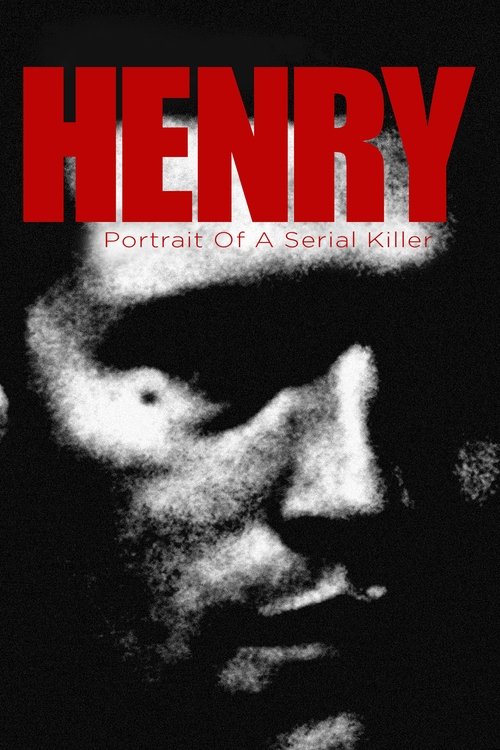
Henry: Portrait of a Serial Killer (1986)
Directed by John McNaughton
No — Henry: Portrait of a Serial Killer is not woke, scoring 0 out of 100 on our wokeness meter.
Henry: Portrait of a Serial Killer arrives from 1986 carrying the grim tidings of a film with no interest in being liked and no interest in instructing anyone.
Consciousness Markers
The cast is entirely white and the film makes no effort toward inclusive or diverse representation.
There are no LGBTQ+ themes, characters, or subtext in the film.
The film depicts extreme misogynistic violence without any feminist critique or agenda.
Race is not a thematic concern; the film focuses on white serial killers and their victims.
There is no environmental or climate-related content.
The film contains no economic critique or anti-capitalist messaging.
Body positivity is entirely absent from this grim horror film.
Psychopathy is portrayed as violent criminality, not as neurodivergence in a social justice sense.
The film is loosely based on real killers but does not revise history for progressive ideological purposes.
The film offers no moralizing lectures or didactic social commentary.
Why it received this score
Henry: Portrait of a Serial Killer arrives from 1986 carrying the grim tidings of a film with no interest in being liked and no interest in instructing anyone. John McNaughton shot it on 16mm in twenty-eight days for roughly the price of a used sedan, and the poverty shows in ways that serve the material. Michael Rooker stalks through Chicago with the flat affect of a man checking the mail. There is no score to tell us how to feel. There is no framing device to reassure us. The camera simply watches, and we are left to sort out our own discomfort without assistance.
This is a film about a murderer and the people he absorbs into his orbit. Otis is a prison acquaintance, Becky is Otis's sister, and the household they form is a slow catastrophe. The story is loosely tethered to the real crimes of Henry Lee Lucas and Ottis Toole, though it makes no argument about the conditions that produced them. Becky's history of abuse is disclosed and then abandoned, which a more earnest era would have demanded the film reckon with. The treatment of the female characters is brutal and unexamined, and at no point does the film suggest we should read the violence as a critique of anything beyond itself.
The film leaves us with negation and little else. The MPAA handed it an X rating and, in doing so, helped midwife the NC-17. That remains its most lasting contribution to the culture, and it is an accident of distribution, not a statement. No sermon, no redemptive arc, no invitation to feel virtuous for having watched. It is a cold object, and it stays cold.
Analysis generated by our Consciousness Algorithm


Synopsis
Arriving in Chicago, Henry moves in with ex-con acquaintance Otis and starts schooling him in the ways of the serial killer.
Questions about Henry: Portrait of a Serial Killer
Is Henry: Portrait of a Serial Killer woke?
No — Henry: Portrait of a Serial Killer is not woke, scoring 0 out of 100 on our wokeness meter. That earns it a verdict of Ultra Based.
Does Henry: Portrait of a Serial Killer have any woke elements?
No. All 10 markers score zero.
How does Henry: Portrait of a Serial Killer compare to other 1986 movies?
It ranks #47 of the 62 films from 1986 we've scored; their average is 7. The wokest is Star Trek IV: The Voyage Home (42).
How is the Woke Score calculated?
An AI-assisted process researches the film and its reception, scores it 0–100 on ten markers, then combines those into one 0–100 Woke Score. It measures a specific set of 2020s cultural themes, not film quality.