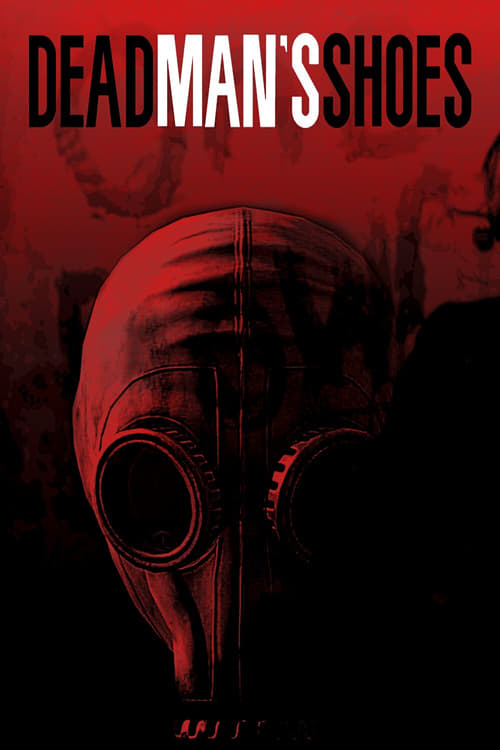
Dead Man's Shoes (2004)
Directed by Shane Meadows
No — Dead Man's Shoes is not woke, scoring 9 out of 100 on our wokeness meter.
Shane Meadows's Dead Man's Shoes arrives from 2004, a lean British revenge tragedy shot in three weeks around Matlock with a cast drawn largely from the director's regular collaborators and a former boxer hired at the last minute.
Consciousness Markers
A central character has learning difficulties and is described as mentally impaired, but the portrayal is as a tragic victim rather than a neurodivergence-affirming or advocacy-oriented representation.
The cast is almost entirely white British, with no deliberate inclusive or diverse casting choices.
There are no LGBTQ+ characters, themes, or subtext in the film.
Female characters are peripheral to the revenge plot, and the film does not engage with feminist themes or gender politics.
The film does not address race, racism, or racial identity in any meaningful way.
There are no environmental or climate-related themes in the film.
The film contains no critique of capitalism, wealth inequality, or economic systems.
The film does not engage with body positivity or body-image themes.
The film is not a historical work and does not revise or reinterpret historical events.
The film has a moralistic tone about revenge and abuse, but it does not deliver modern social-justice lectures or preachy ideological messaging.
Why it received this score
Shane Meadows's Dead Man's Shoes arrives from 2004, a lean British revenge tragedy shot in three weeks around Matlock with a cast drawn largely from the director's regular collaborators and a former boxer hired at the last minute. Paddy Considine plays Richard, a soldier who returns home to terrorise and dispatch the small-town drug dealers who tormented his younger brother Anthony. The film is grimy, improvised, and effective. It also predates nearly every cultural preoccupation a modern scoring exercise would look for, and it offers essentially none of them.
The cast is white, provincial, and assembled without any evident interest in representational balance. Women appear at the margins, as wives and bystanders, and the film never turns its gaze toward gender politics. Race, economic critique, environmental anxiety, and the body and identity discourses of the present decade are absent. There is no sermon, no lesson, no address to the audience about how to feel. The camera simply watches men be cruel to one another, then watches one man be cruel back.
The single point of contact with contemporary sensibilities is Anthony, the brother, played by Toby Kebbell, who has learning difficulties and is portrayed as a casualty, a memory, a wound. His suffering drives the plot but is never framed as affirmation or advocacy. He exists to be mourned. That is a nineteenth-century dramatic instinct wearing a twenty-first-century jacket, and it earns a modest allowance and nothing more. The revenge itself is moralistic in the old sense: violence begets violence, the avenger becomes the monster. This is a sermon about sin, not society. A grim, well-made film, and culturally, a fossil.
Analysis generated by our Consciousness Algorithm
Synopsis
A soldier returns to his small town and exacts a deadly revenge on the thugs who tormented his disabled brother while he was away.
Questions about Dead Man's Shoes
Is Dead Man's Shoes woke?
No — Dead Man's Shoes is not woke, scoring 9 out of 100 on our wokeness meter. That earns it a verdict of Ultra Based.
Does Dead Man's Shoes have any woke elements?
Very few. None of the 10 markers reaches 30, the level where a marker counts as present; the highest is Neurodivergence at 15.
How does Dead Man's Shoes compare to other 2004 movies?
It ranks #78 of the 178 films from 2004 we've scored; their average is 12. The wokest is Tropical Malady (62).
How is the Woke Score calculated?
An AI-assisted process researches the film and its reception, scores it 0–100 on ten markers, then combines those into one 0–100 Woke Score. It measures a specific set of 2020s cultural themes, not film quality.