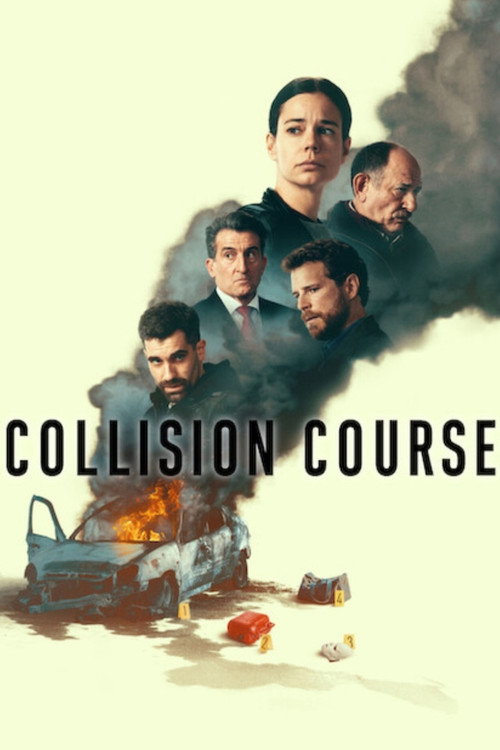
Collision Course (2026)
Directed by Daniel Sánchez Arévalo
No — Collision Course is not woke, scoring 5 out of 100 on our wokeness meter.
Collision Course is a 2026 Spanish heist thriller set in Madrid in 2013.
Consciousness Markers
The 2013 Spanish economic-crisis backdrop and bank heist setting carry faint anti-institutional undertones, but the film is a betrayal-driven thriller rather than a systemic critique of capitalism.
The cast is a standard ensemble of Spanish actors chosen for the roles; no deliberate diversity-driven casting agenda is evident.
No LGBTQ+ characters or themes are indicated in the plot, cast, or research.
A mixed-gender cast (including Laia Costa) exists naturally, but there is no feminist thesis or gendered critique in the heist narrative.
The film is a Spanish-language crime thriller with no racial-consciousness framing or commentary.
No environmental or climate themes appear in the plot or research.
No body-positivity themes or messaging are present.
No neurodivergent characters or themes are indicated.
The film is a fictional heist story with no historical revisionism.
Reception describes a clever, well-structured thriller; there is no preachy messaging or moral lecturing.
Why it received this score
Collision Course is a 2026 Spanish heist thriller set in Madrid in 2013. A crew robs a bank, a getaway crash follows, and betrayals spill out. The cultural ledger is thin. This is not a film with a modern social catechism to deliver. It is a genre exercise, and that is not a complaint. Laia Costa anchors the proceedings with precision. The narrative device owes visible debts to Run Lola Run and Before the Devil Knows You're Dead. The film's only faint political pulse comes from its 2013 economic-crisis backdrop. A bank heist during austerity can suggest resentment toward institutions. But the movie treats the bank as a vault, not a symbol. The thieves are not martyrs of late capitalism. They are liars with better timing. That gives a modest anti-establishment flavor, no more than an atmospheric tremor. It does not lecture. It does not revise history. It does not offer climate parables. There are no LGBTQ themes, no feminist thesis, no racial consciousness, no body positivity, no neurodivergence. The film is about greed, fear, and the collapse of a plan. That is an old-fashioned pleasure.
The cast includes men and women, but the film does not congratulate itself. Laia Costa is a performer, not a statement. The Spanish setting is not a diversity checklist. It is just Madrid. The 2013 period is detail and plot fuel. The economic crisis supplies motive, but the script cares more about double-crosses than systemic critique. The bank is a stage. The money is a MacGuffin. The betrayal is the point. A film like this reminds us that thrillers can be thrillers. It does not need to explain the patriarchy between gunshots.
Reception has been kind. HobbyConsolas called it clever, well-structured, and entertaining. El Pais found the denouement unconvincing. Both verdicts are fair. The movie is competent, twisty, and a bit borrowed. Its cultural awareness is negligible. It will not be studied in seminars unless the seminar concerns Netflix's Spanish-language genre output. It is the cinematic equivalent of a well-made plate of tapas: satisfying, not transformative. The modern social consciousness score sits near zero, with a faint anti-capitalist tremor from the austerity setting. This is a heist thriller with no lecture energy. It asks nothing of us except attention. That is enough.
Analysis generated by our Consciousness Algorithm


Synopsis
Spain, 2013. After robbing a bank, a getaway crash reveals the hidden side of each thief, exposing betrayals and lies that began long before the heist.
Critic Reviews
“This is the kind of smart, tense, well-acted thriller that used to play in cinemas and no longer does, which is worth mourning even while this one waits on Netflix for anyone who wants it.”
“The social context is well-crafted, even incorporating humor and social nuances (gambling addiction). And the dialogue is good.”
“The bank entry, the compromised police investigation and Pedro's decision about his son make Collision Course worth considering for viewers who enjoy crime stories with alternative outcomes.”
“Collision Course attempts something different with mixed results. A compelling narrative hook and an ability to craft tension bring enough to engage, but the character-side struggles keep it from firing on all cylinders.”
Questions about Collision Course
Is Collision Course woke?
No — Collision Course is not woke, scoring 5 out of 100 on our wokeness meter. That earns it a verdict of Ultra Based.
Does Collision Course have any woke elements?
Very few. None of the 10 markers reaches 30, the level where a marker counts as present; the highest is Eat the Rich at 8.
How does Collision Course compare to other 2026 movies?
It ranks #539 of the 800 films from 2026 we've scored; their average is 23. The wokest is Between Us (89).
How is the Woke Score calculated?
An AI-assisted process researches the film and its reception, scores it 0–100 on ten markers, then combines those into one 0–100 Woke Score. It measures a specific set of 2020s cultural themes, not film quality.