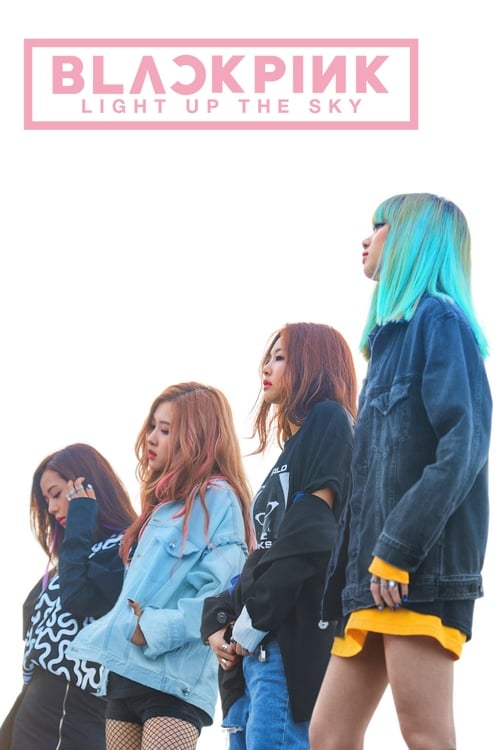
BLACKPINK: Light Up the Sky (2020)
Directed by Caroline Suh
Partly — BLACKPINK: Light Up the Sky is somewhat woke, scoring 43 out of 100 on our wokeness meter.
Blackpink: Light Up the Sky arrives as a glossy, high-budget testament to modern global stardom.
Consciousness Markers
The film centers entirely on four young women, providing a highly visible, global platform for female representation in modern pop culture.
It highlights the dedication and individual agency of the female artists within a highly commercialized and often restrictive industry.
The film documents the global rise of a Korean group, offering a window into the international reach of Asian pop culture.
While it details the grueling nature of the industry, it primarily focuses on the *cost* of fame rather than critiquing the capitalist structure itself.
The focus is on professional artistry and career milestones, not on challenging or celebrating specific body types.
It documents the group's history, but does not actively challenge or rewrite established historical facts.
The documentary maintains an intimate, narrative style, avoiding didactic or overly academic pronouncements.
No LGBTQ+ themes, characters, or narratives are present in the documentary.
The environmental impact of the K-pop industry is entirely absent from the narrative.
No discussion of neurodivergent experiences or traits is included in the film.
Why it received this score
Blackpink: Light Up the Sky arrives as a glossy, high-budget testament to modern global stardom. We watch four young women navigate a commercial ecosystem designed for relentless consumption. The film succeeds in giving viewers an intimate look at the rigorous discipline required to achieve this level of pop dominance. It presents a compelling narrative about individual agency within a highly manufactured environment. The focus remains squarely on the artists, detailing their transition from trainees to planetary icons. This is a celebration of visibility, which provides a strong platform for representation in the current cultural climate.
While the documentary avoids heavy-handed political pronouncements, it does not shy away from the grueling nature of the industry. The film documents the grueling preparation and the sheer effort involved in crafting chart-topping music. We see the dedication of these women to their craft. It is a look at success, not an attempt to deconstruct the capitalist structures that enable it. The narrative prioritizes their personal journey over systemic critiques. This is a powerful record of cultural moment, certainly, but it functions as a portrait, not a manifesto.
We find the film to be an effective piece of cultural documentation. The commitment to showcasing the global reach of this specific brand of Asian pop culture is clear and well-executed. It maintains a narrative intimacy that avoids feeling like a lecture. It is a sleek, polished document of contemporary fame. It is undeniably compelling viewing.
Analysis generated by our Consciousness Algorithm


Synopsis
Record-shattering Korean girl band BLACKPINK tell their story — and detail the hard fought journey of the dreams and trials behind their meteoric rise.
Questions about BLACKPINK: Light Up the Sky
Is BLACKPINK: Light Up the Sky woke?
Partly — BLACKPINK: Light Up the Sky is somewhat woke, scoring 43 out of 100 on our wokeness meter. That earns it a verdict of Woke-Adjacent.
What makes BLACKPINK: Light Up the Sky woke?
4 of the 10 markers register at 30 or above, led by Representation Casting (75), Feminist Agenda (60) and Racial Consciousness (40). On Representation Casting: The film centers entirely on four young women, providing a highly visible, global platform for female representation in modern pop culture.
How does BLACKPINK: Light Up the Sky compare to other 2020 movies?
It ranks #35 of the 227 films from 2020 we've scored; their average is 21. The wokest is One Night in Miami... (83).
How is the Woke Score calculated?
An AI-assisted process researches the film and its reception, scores it 0–100 on ten markers, then combines those into one 0–100 Woke Score. It measures a specific set of 2020s cultural themes, not film quality.