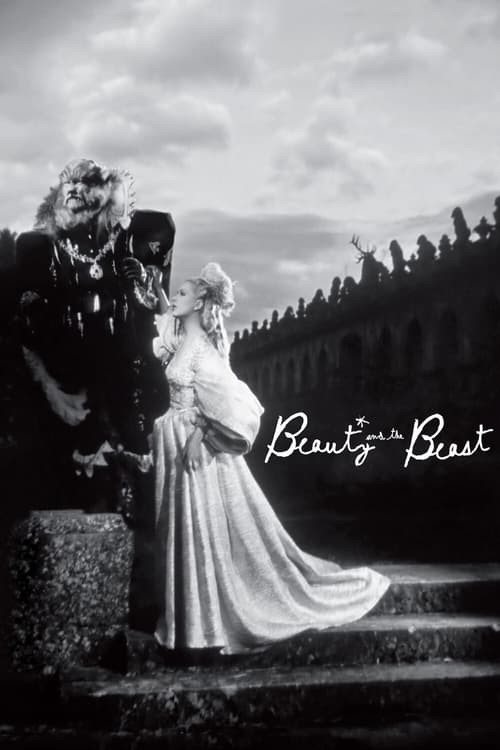
Beauty and the Beast (1946)
Directed by Jean Cocteau
No — Beauty and the Beast is not woke, scoring 0 out of 100 on our wokeness meter.
Jean Cocteau’s 1946 surrealist fable presents a visual tapestry of deliberate excess.
Consciousness Markers
The cast is entirely white French actors, with no racial or ethnic diversity in roles.
No explicit LGBTQ+ themes or characters appear, despite director Jean Cocteau's own sexuality.
Belle is a central figure, but the narrative remains a traditional fairy tale about marriage and sacrifice, not a feminist agenda.
The film contains no engagement with racial identity, inequality, or racial consciousness.
There is no environmental or climate-related theme in the story.
While a moneylender and debt appear, the film's moral is about greed and trust, not a modern anti-capitalist critique.
The Beast's monstrous appearance is a curse to be broken, not a celebration of body diversity.
No characters or themes related to neurodivergence are present.
The film is a surrealist fairy tale with no historical revisionism.
The film is poetic and dreamlike, with no preachy or lecture-like modern messaging.
Why it received this score
Jean Cocteau’s 1946 surrealist fable presents a visual tapestry of deliberate excess. The film operates as a meticulously crafted piece of cinematic art, a dream of baroque interiors and exaggerated gestures. We find ourselves in a world where aesthetic opulence takes precedence over any kind of social commentary. The narrative prioritizes the tragic trajectory of personal desire and the mechanics of fate. It is a curious study of transformation, one that relies heavily on stylized performance rather than any deep engagement with the complexities of the human condition as we understand it today.
The core narrative concerns a beast and a young woman navigating a period of profound economic instability and personal sacrifice. The conflict surrounding inherited wealth and debt provides a backdrop for a classic melodrama. However, the script offers little in the way of progressive social consciousness. The concerns are strictly localized to romantic loyalty and the perilous nature of greed, which is handled with traditional fairy tale strokes. The characters exist within a framework where their primary identities are defined by their relationship to beauty, whether human or monstrous.
This work is a powerful example of mid-century French cinema, an aesthetic achievement that remains unimpeachable on its own terms. Yet, when viewed through the lens of modern cultural analysis, its lack of contemporary progressive sensibilities is absolute. We are left with a highly polished, richly textured piece of work that prioritizes visual metaphor over the kind of critical engagement we currently expect from popular cinema.
Analysis generated by our Consciousness Algorithm


Synopsis
The story of a gentle-hearted beast in love with a simple and beautiful girl. She is drawn to the repellent but strangely fascinating Beast, who tests her fidelity by giving her a key, telling her that if she doesn't return it to him by a specific time, he will die of grief. She is unable to return the key on time, but it is revealed that the Beast is the genuinely handsome one. A simple tale of tragic love that turns into a surreal vision of death, desire, and beauty.
Questions about Beauty and the Beast
Is Beauty and the Beast woke?
No — Beauty and the Beast is not woke, scoring 0 out of 100 on our wokeness meter. That earns it a verdict of Ultra Based.
Does Beauty and the Beast have any woke elements?
No. All 10 markers score zero.
How does Beauty and the Beast compare to other 1946 movies?
It ranks #9 of the 10 films from 1946 we've scored; their average is 5. The wokest is No Regrets for Our Youth (22).
How is the Woke Score calculated?
An AI-assisted process researches the film and its reception, scores it 0–100 on ten markers, then combines those into one 0–100 Woke Score. It measures a specific set of 2020s cultural themes, not film quality.