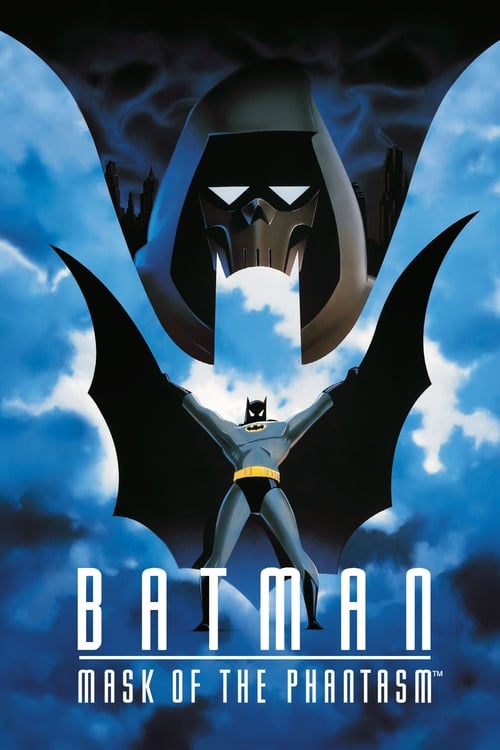
Batman: Mask of the Phantasm (1993)
Directed by Bruce Timm
Batman: Mask of the Phantasm arrives on Christmas Day 1993 as a film that Warner Bros.
Consciousness Markers
Andrea Beaumont subverts the conventional female role in superhero narratives by being the most capable and consequential agent in the story. The film does not editorialize about this; it simply proceeds as though a woman being the main villain and tragic hero simultaneously is unremarkable.
Andrea Beaumont is a fully realized female protagonist with genuine narrative autonomy, operating as assassin and foil to Bruce Wayne rather than love interest prop. This is ahead of its time for 1993 studio animation, though it reads as good craft rather than ideological casting policy.
Bruce Wayne's psychological compulsion is depicted with unusual honesty: his oath to his dead parents is framed as a wound, not a superpower, culminating in a graveyard scene where he weeps and begs for release from it. The film does not diagnose or label this, but it does not flinch from it either.
Organized crime and mob corruption provide the story's villainous infrastructure, but the film treats this as genre furniture rather than systemic critique. The mob bosses are bad because they killed people, not because they represent capital.
The film carries a clear thesis that revenge corrupts the soul, and it states this thesis aloud at least once. However, it earns its moral through character consequence rather than speechifying, which places it well below the threshold of genuine sermonizing.
The film contains no LGBTQ+ themes, characters, or subtext. Kevin Conroy's sexuality and his 2022 DC Pride essay are entirely external to this 1993 production and cannot be retroactively imported into its content.
Race is entirely absent as a theme or subtext. The cast is predominantly white, reflecting 1993 animation industry norms, and the film makes no comment on this in any direction.
Gotham City's environmental conditions are purely aesthetic. No climate themes, ecological anxiety, or environmental messaging of any kind appears in the film.
No body positivity themes are present. The film's character designs follow conventional superhero aesthetics without comment.
The film operates entirely within its own fictional universe and makes no attempt to reframe or reinterpret historical events or figures.
Why it received this score
Batman: Mask of the Phantasm arrives on Christmas Day 1993 as a film that Warner Bros. clearly did not know what to do with, and in this regard the studio showed rare self-awareness. Rushed from a direct-to-video fate into theatrical release with minimal marketing, it earned approximately five million dollars and was declared a failure. The film is, of course, one of the finest superhero narratives ever committed to any medium. These two facts coexist without apparent difficulty in the universe we inhabit.
From a social consciousness standpoint, the film presents a modest but genuine case. Andrea Beaumont is a female character who drives the plot, commits the violence, and suffers the consequences without requiring the narrative to pause and congratulate itself for allowing this. She simply exists as the most consequential person in the story. For 1993 theatrical animation, this is notable. The film's deeper preoccupation, however, is psychological: Bruce Wayne's obsession with his oath is portrayed not as heroic resolve but as a compulsion that has foreclosed his capacity for happiness, and the film is unflinching enough to put him on his knees in a graveyard, weeping, asking dead people for permission to stop suffering. This is not a film interested in celebrating its protagonist. The moral about revenge is stated plainly and dramatized honestly, which keeps it on the correct side of the line between conviction and sermon.
The progressive markers that later analysts have applied to this film are largely external projections. Kevin Conroy's personal history, however moving and significant in its own right, does not alter the film's content. Shirley Walker's score is a landmark, but landmark craftsmanship is not a cultural agenda. What remains is a tightly constructed noir about grief, duty, and the specific damage done by promises made to the dead. It scores low on the modern sensitivity index not because it is retrograde, but because it was made by people who were too busy making a good film to file the paperwork.
Analysis generated by our Consciousness Algorithm


Synopsis
Andrea Beaumont leaves her father to return to Gotham, rekindling an old romance with Bruce Wayne. At the same time, a mysterious figure begins to hunt down Gotham's criminals, wrongly implicating Batman in the murders. Now on the run from the law, Batman must find and stop the culprit, while also navigating his relationship with Andrea.