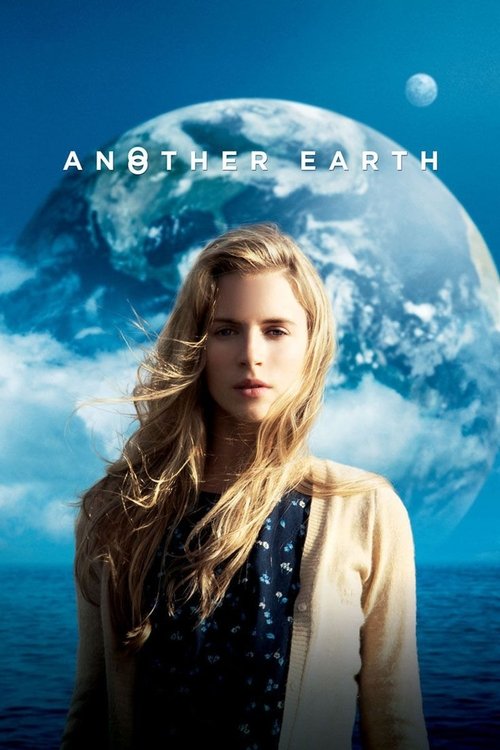
Another Earth (2011)
Directed by Mike Cahill
No — Another Earth is not woke, scoring 8 out of 100 on our wokeness meter.
Another Earth is a 2011 speculative drama about guilt, grief, and a second planet that appears in the sky.
Consciousness Markers
Brit Marling co-wrote and stars as a complex, guilt-ridden female protagonist, but the film is a somber character study rather than a vehicle for feminist argument.
The cast is overwhelmingly white, with Kumar Pallana in a small supporting role as Purdeep. There is no deliberate diversity casting agenda; minority presence is incidental and unremarked.
The film is contemplative and melancholic rather than preachy; its philosophical musings on the self are woven into drama rather than delivered as sermon.
No LGBTQ+ characters, themes, or subtext appear anywhere in the film.
Race is entirely absent as a subject; the film concerns grief, guilt, and cosmology with no racial consciousness whatsoever.
No environmental or climate themes are present; the duplicate Earth is a philosophical device, not an ecological parable.
A millionaire's essay contest and private spaceflight appear as plot mechanics, but the film offers no critique of capitalism or wealth.
No body positivity themes or messaging appear in the film.
No neurodivergent characters or themes are depicted or discussed.
The film is a work of speculative fiction with no engagement with historical narrative or revisionism.
Why it received this score
Another Earth is a 2011 speculative drama about guilt, grief, and a second planet that appears in the sky. The film's social consciousness is sparse. The cast is overwhelmingly white, with Kumar Pallana in a small supporting role as Purdeep, and the film makes no comment on this arrangement. LGBTQ themes are absent. Race is not a subject. Climate is not a subject. The duplicate Earth is a metaphysical device, not an ecological parable. A millionaire's essay contest and private spaceflight move the plot, yet the film offers no critique of wealth or capital. This is not a work with an agenda beyond personal remorse.
The feminist credit is modest. Brit Marling co-wrote the screenplay and plays Rhoda Williams as a complex, guilt-ridden woman, but the film is a somber character study, not a vehicle for argument. Body positivity, neurodivergence, and historical revisionism are nowhere present. The lecture energy is low. The film is contemplative and melancholic. Its philosophical musings on the self are woven into drama instead of delivered as sermon. It asks us to sit with regret. It does not ask us to update our vocabulary.
In the ledger of contemporary cultural markers, this is a modest vintage. The duplicate Earth functions as a mirror for ego and sorrow. We get no lessons about society, no corrected history, no environmental warning. The film offers a slow, soulful science fiction drama with a broken mirror hypothesis and a final image of the self facing the self. We can respect its restraint. It earns its small progressive credit through Marling's authorship and central performance, nothing more.
Analysis generated by our Consciousness Algorithm


Synopsis
On the night a duplicate Earth is discovered in the solar system, the lives of a young woman and an accomplished composer become tragically connected after a fatal accident.
Questions about Another Earth
Is Another Earth woke?
No — Another Earth is not woke, scoring 8 out of 100 on our wokeness meter. That earns it a verdict of Ultra Based.
Does Another Earth have any woke elements?
Very few. None of the 10 markers reaches 30, the level where a marker counts as present; the highest is Feminist Agenda at 15.
How does Another Earth compare to other 2011 movies?
It ranks #107 of the 245 films from 2011 we've scored; their average is 11. The wokest is Paul (68).
How is the Woke Score calculated?
An AI-assisted process researches the film and its reception, scores it 0–100 on ten markers, then combines those into one 0–100 Woke Score. It measures a specific set of 2020s cultural themes, not film quality.