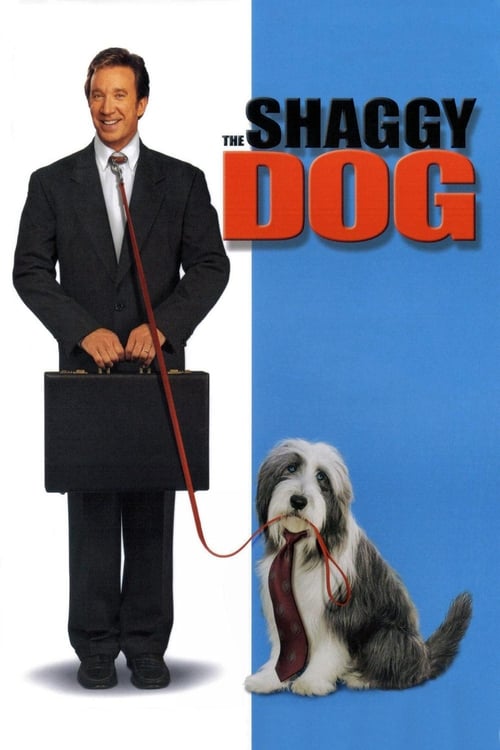
The Shaggy Dog (2006)
Directed by Brian Robbins
No — The Shaggy Dog is not woke, scoring 8 out of 100 on our wokeness meter.
To revisit The Shaggy Dog, Brian Robbins's 2006 reboot of the 1959 Disney original, is to handle a museum piece from a vanished dispensation.
Consciousness Markers
The villain is a pharmaceutical corporation conducting illegal animal experimentation, giving the plot a mild evil-corporation and animal-rights streak, but it is a stock family-film antagonist rather than an eat-the-rich polemic.
Danny Glover appears as a judge and the cast is otherwise standard for a mid-2000s Disney family comedy; no casting choices are made with representational intent or comment.
The film carries a gentle moral about workaholic fathers neglecting family and about animal welfare, but it delivers these as sentimental family-comedy beats rather than preachy sermonizing.
No LGBTQ+ characters, themes, or subtext of any kind appear in the film.
Kristin Davis plays a supportive wife and the daughter is a generic teen; the film advances no feminist themes or critiques of patriarchy.
Race is never addressed or thematized; minority actors appear in conventional roles without any racial commentary.
There is no environmental or climate-related content in the film.
No body-positivity themes or messaging are present.
No neurodivergent characters or themes appear.
The film is a fantasy comedy with no historical subject matter to revise.
Why it received this score
To revisit The Shaggy Dog, Brian Robbins's 2006 reboot of the 1959 Disney original, is to handle a museum piece from a vanished dispensation. It is the fifth and final installment of its franchise, a reworking of the 1959 film and its 1976 sequel, both loosely drawn from Felix Salten's novel. Tim Allen plays a Los Angeles deputy district attorney who neglects his family, gets bitten by a sacred Tibetan collie, and begins involuntarily converting into a bearded version of himself at the sight of a thrown stick. The premise is recycled. The jokes are broad. The dog is computer-generated. What we have here is a studio family comedy operating on the purest commercial instinct, and its cultural inventory is correspondingly thin.
There are two faint signals worth logging. The antagonist is a pharmaceutical corporation, Grant and Strictland, conducting illegal animal experimentation, which lends the proceedings a mild suspicion of corporate power and a soft animal-welfare streak. Robert Downey Jr. plays the scheming scientist with visible amusement. The second signal is the moral itself: the workaholic father learns that presence matters more than billable hours. That lesson arrives as sentimental family-comedy beats, not as sermonizing, and the film has no interest in pressing it further.
Elsewhere the ledger is blank. Danny Glover appears as a presiding judge, cast without representational intent or comment, and the rest of the ensemble is exactly what a mid-2000s Disney production would assemble. There is no engagement with sexuality, gender politics, race, climate, body image, or neurological difference. No history is revised, because no history is present. The film wants only to sell tickets to families and move on, and it does so with a shrug. We classify it accordingly.
Analysis generated by our Consciousness Algorithm
Part of


Synopsis
The tale of a workaholic dad-turned-dog who finds that being man's best friend shows him the most important job - being a great dad.
Questions about The Shaggy Dog
Is The Shaggy Dog woke?
No — The Shaggy Dog is not woke, scoring 8 out of 100 on our wokeness meter. That earns it a verdict of Ultra Based.
Does The Shaggy Dog have any woke elements?
Very few. None of the 10 markers reaches 30, the level where a marker counts as present; the highest is Eat the Rich at 15.
How does The Shaggy Dog compare to other 2006 movies?
It ranks #89 of the 211 films from 2006 we've scored; their average is 11. The wokest is An Inconvenient Truth (92).
How is the Woke Score calculated?
An AI-assisted process researches the film and its reception, scores it 0–100 on ten markers, then combines those into one 0–100 Woke Score. It measures a specific set of 2020s cultural themes, not film quality.