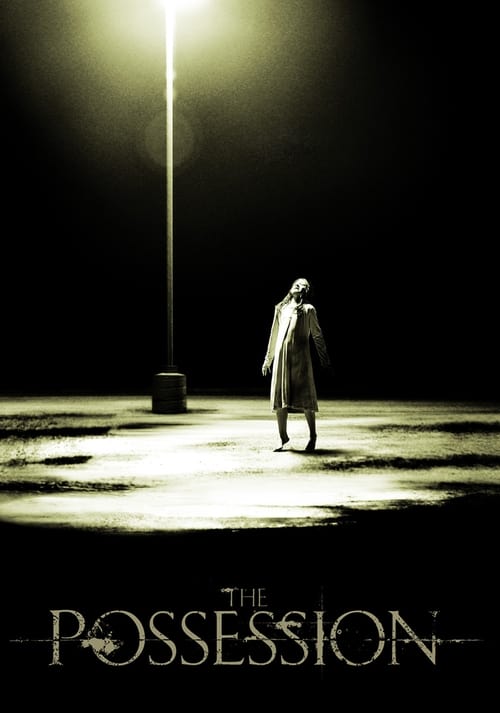
The Possession (2012)
Directed by Ole Bornedal
No — The Possession is not woke, scoring 6 out of 100 on our wokeness meter.
The Possession arrives from 2012 with a yard sale, a wooden box, and a Polish whisper promising to eat someone's heart.
Consciousness Markers
The cast is overwhelmingly white, with the notable exception of Matisyahu (a Hasidic Jewish performer) as the rabbi Tzadok and a Hasidic community in Brooklyn. This is culturally authentic casting for a Jewish-folklore story rather than a deliberate diversity initiative.
The director framed the film as an allegory for divorce, but this is subtext rather than explicit moralizing; the film prioritizes scares over sermonizing.
No LGBTQ+ characters, themes, or subtext appear anywhere in the film.
The film features a divorced mother and a daughter, but they exist as horror-genre family dynamics rather than any feminist statement or agenda.
No racial themes, commentary, or consciousness are present; the story is entirely about a white family and Jewish folklore.
No environmental or climate themes whatsoever.
No economic critique or anti-capitalist messaging; the yard-sale box is a plot device, not a class commentary.
No body-positivity themes; the horror imagery around the possessed child is conventional genre material.
A psychologist is briefly suggested as a solution, but the film treats possession as supernatural rather than engaging with neurodivergence as a theme.
The film is loosely based on a real allegedly-haunted object, but it makes no revisionist historical claims or reframing of established history.
Why it received this score
The Possession arrives from 2012 with a yard sale, a wooden box, and a Polish whisper promising to eat someone's heart. This is efficient work. A divorced father buys the box for his younger daughter, the daughter opens it, and a dybbuk named Abyzou begins the slow business of taking a child. Sam Raimi produced. Ole Bornedal directed. Nobody involved appears to have had an agenda beyond making an audience uncomfortable in a dark room, which they accomplish with reasonable competence and a forty percent approval rating.
The cultural ledger here is thin, and honesty requires saying so. The cast is white, with the exception of Matisyahu, the Hasidic performer cast as Rabbi Tzadok, and a Brooklyn community of Hasidic extras. That is culturally specific casting for a story built on Jewish folklore, which is a different thing from a diversity initiative. The divorced mother and the two daughters exist as horror-genre furniture, not as a statement about women. There is no LGBTQ presence, no racial commentary, no dying coastline, no critique of the yard sale economy, no celebration of the possessed body, and no engagement with neurodivergence beyond a boyfriend suggesting a psychologist, a suggestion the film discards the moment his teeth start falling out.
Bornedal has said he read the script as an allegory for divorce. The film keeps that reading buried where it belongs, under MRI scans and a rabbi performing a forced ritual in a hospital corridor. The moral instruction is negligible. What remains is a competent possession picture that respects its source folklore, kills a rabbi in the final minute for no clear reason, and leaves the box whispering in the wreckage. We have seen this before. We will see it again.
Analysis generated by our Consciousness Algorithm
Part of


Synopsis
A young girl buys an antique box at a yard sale, unaware that inside the collectible lives a malicious ancient spirit. The girl's father teams with his ex-wife to find a way to end the curse upon their child.
Questions about The Possession
Is The Possession woke?
No — The Possession is not woke, scoring 6 out of 100 on our wokeness meter. That earns it a verdict of Ultra Based.
Does The Possession have any woke elements?
Very few. None of the 10 markers reaches 30, the level where a marker counts as present; the highest is Representation Casting at 15.
How does The Possession compare to other 2012 movies?
It ranks #128 of the 230 films from 2012 we've scored; their average is 12. The wokest is Killing Them Softly (92).
How is the Woke Score calculated?
An AI-assisted process researches the film and its reception, scores it 0–100 on ten markers, then combines those into one 0–100 Woke Score. It measures a specific set of 2020s cultural themes, not film quality.