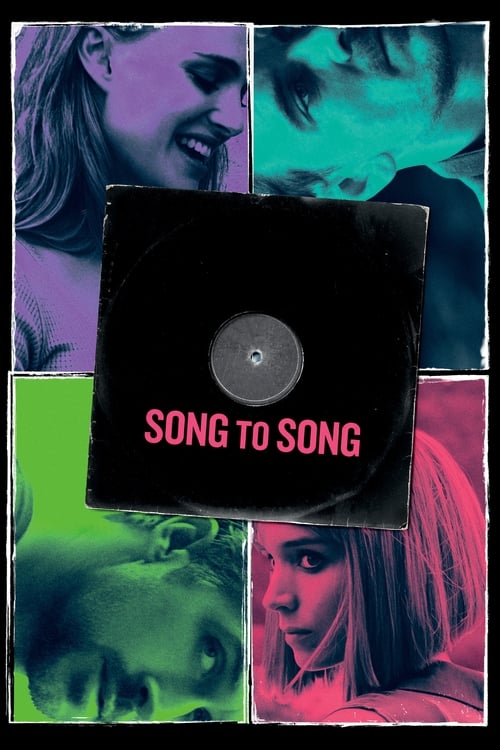
Song to Song (2017)
Directed by Terrence Malick
No — Song to Song is not woke, scoring 15 out of 100 on our wokeness meter.
Terrence Malick's Song to Song drifts through the Austin music scene like a fever dream that forgot to take its temperature.
Consciousness Markers
The conflict between the struggling artist and the music mogul over copyrights and profits provides a moderate critique of industry exploitation and wealth disparity.
The film grants female characters agency within the creative and romantic spheres, but it does not engage in a structural critique of patriarchy or gender roles.
The film features a high-caliber, diverse ensemble cast, but the narrative does not use this representation to drive a specific social commentary or agenda.
While Malick's films are often philosophical, this film is more atmospheric and 'absurd' than it is didactic or structured as a modern social lecture.
The romantic relationships depicted are strictly heterosexual, and there is no thematic exploration of LGBTQ+ identity or experience.
The film is set in Austin, Texas, but it does not address systemic racism, racial injustice, or racial identity as a thematic concern.
There is no mention of environmentalism, climate change, or ecological crisis within the plot or thematic focus.
The film focuses on emotional and artistic intensity rather than challenging narrow beauty standards or celebrating diverse body types.
There is no evidence of characters or themes related to neurodivergent experiences.
The film is a fictional contemporary drama and does not challenge established historical narratives or facts.
Why it received this score
Terrence Malick's Song to Song drifts through the Austin music scene like a fever dream that forgot to take its temperature. Two couples entangle, disentangle, and entangle again. Faye plays guitar. BV plays guitar. Cook produces records and ruins people. The camera wanders. Someone whispers. The whole thing is gorgeous and almost entirely weightless, which suits a picture once titled Weightless. The ensemble is stacked with talent and genuinely varied faces. The film does nothing with that variety. They exist, they brood, they move on.
The one place the film applies pressure is the business of music. Cook holds the copyrights, BV does the labor, and the arrangement sours when the songwriter learns he owns nothing he made. Here the movie offers a mild indictment of industry exploitation, the executive feasting while the artist starves. It is a familiar complaint, delivered without much heat. The women in the frame have desires and make choices, though the film never turns that into an argument about power. It is too busy watching Rooney Mara stare at a horizon.
Elsewhere the ledger is bare. There is no environmental sermon, no reckoning with race in a Texas that surely has some, no inquiry into queer identity despite a brief detour into one, no celebration of bodies outside the slender norm, no attention to neurodivergence, and no revision of the historical record, since there is barely a record to revise. Malick is a philosophical filmmaker, but this outing favors atmosphere over argument. It lectures no one. It hums, beautifully, about very little, and asks us to feel something we cannot name.
Analysis generated by our Consciousness Algorithm


Synopsis
In this modern love story set against the Austin, Texas music scene, two entangled couples — struggling songwriters Faye and BV, and music mogul Cook and the waitress whom he ensnares — chase success through a rock ‘n’ roll landscape of seduction and betrayal.
Questions about Song to Song
Is Song to Song woke?
No — Song to Song is not woke, scoring 15 out of 100 on our wokeness meter. That earns it a verdict of Ultra Based.
Does Song to Song have any woke elements?
1 of the 10 markers register at 30 or above, led by Eat the Rich (40). On Eat the Rich: The conflict between the struggling artist and the music mogul over copyrights and profits provides a moderate critique of industry exploitation and wealth disparity.
How does Song to Song compare to other 2017 movies?
It ranks #119 of the 309 films from 2017 we've scored; their average is 19. The wokest is I Am Not Your Negro (92).
How is the Woke Score calculated?
An AI-assisted process researches the film and its reception, scores it 0–100 on ten markers, then combines those into one 0–100 Woke Score. It measures a specific set of 2020s cultural themes, not film quality.