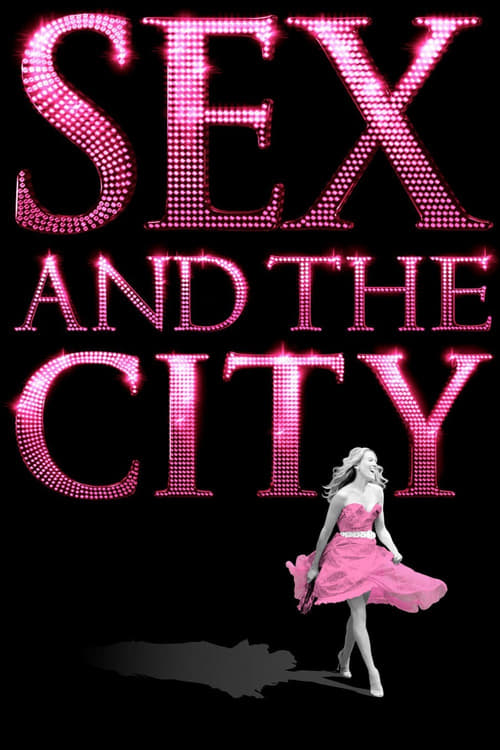
Sex and the City (2008)
Directed by Michael Patrick King
No — Sex and the City is not woke, scoring 17 out of 100 on our wokeness meter.
Sex and the City arrives in 2008 as a two-hour and twenty-two-minute reunion special with a theatrical budget, and it wears that budget on its back.
Consciousness Markers
Centers on four women's friendships, careers, and sexual agency, but largely frames their lives around relationships and marriage, limiting its feminist agenda.
Features an all-female leading ensemble, a rarity for its time, and includes Jennifer Hudson in a supporting role, though the four leads are white.
No significant LGBTQ+ themes or characters in the film.
Race is not a thematic concern; Jennifer Hudson's character is defined by her romantic storyline, not racial identity.
No environmental or climate-related themes.
Celebrates luxury fashion, consumerism, and wealth; no anti-capitalist critique.
No body positivity themes; the film adheres to conventional fashion industry beauty standards.
No depiction or discussion of neurodivergence.
No historical revisionism; contemporary romantic comedy.
No preachy or lecture-like social commentary; focuses on personal relationships.
Why it received this score
Sex and the City arrives in 2008 as a two-hour and twenty-two-minute reunion special with a theatrical budget, and it wears that budget on its back. Over three hundred outfits were assembled for the occasion, which is either a triumph of costume design or a confession. The four leads return intact, and the film's chief structural curiosity is that it gathers a female ensemble of this size and lets them carry a major studio release, a genuine rarity for the era. Jennifer Hudson appears as an assistant with a romance of her own, and the gesture is noted, though the four women at the center remain, as ever, white and monied.
The picture concerns itself with friendship, careers, and the sexual appetites of grown women, and it treats all three without apology. That the narrative keeps steering these women back toward the altar is the limitation. Carrie wants a wedding. Charlotte wants a baby. Miranda wants her marriage repaired. Samantha wants out, and is punished for it with a breakup and a plate of comfort food. The film's progressive instincts are real but bounded, and they stop well short of the register where race, sexuality, or class might complicate the shopping.
What the film does not do is lecture. There is no sermon here, no environmental lament, no redistributionist stirring, no revisionist reading of history, no meditation on neurodivergence. The body is celebrated only insofar as it fits a sample size. The luxury is celebrated without irony, which is the point. A sommelier might call this a robust vintage with no tannins and no conscience. The film's cultural awareness is a matter of wardrobe and casting, not argument. It preaches nothing. It simply shops, and it shops beautifully.
Analysis generated by our Consciousness Algorithm


Synopsis
When Carrie's big step forward in her relationship goes awry, best friends Charlotte, Miranda and Samantha are there to help her pick up the pieces.
Questions about Sex and the City
Is Sex and the City woke?
No — Sex and the City is not woke, scoring 17 out of 100 on our wokeness meter. That earns it a verdict of Ultra Based.
Does Sex and the City have any woke elements?
2 of the 10 markers register at 30 or above, led by Feminist Agenda (35) and Representation Casting (30). On Feminist Agenda: Centers on four women's friendships, careers, and sexual agency, but largely frames their lives around relationships and marriage, limiting its feminist agenda.
How does Sex and the City compare to other 2008 movies?
It ranks #48 of the 212 films from 2008 we've scored; their average is 12. The wokest is Milk (68).
How is the Woke Score calculated?
An AI-assisted process researches the film and its reception, scores it 0–100 on ten markers, then combines those into one 0–100 Woke Score. It measures a specific set of 2020s cultural themes, not film quality.