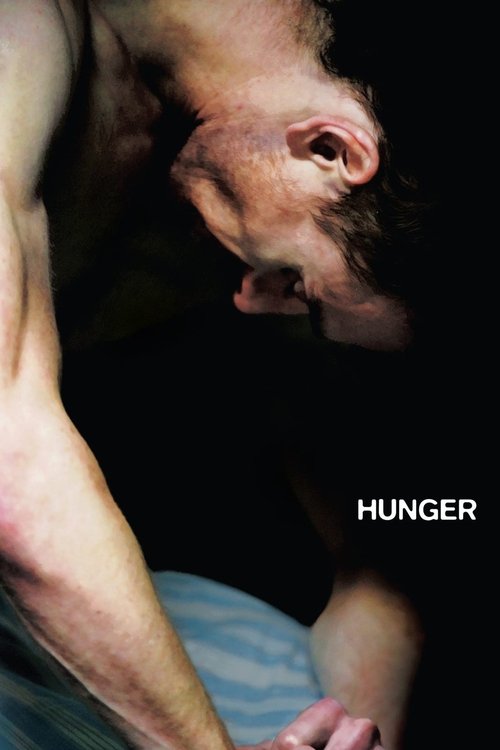
Hunger (2008)
Directed by Steve McQueen
No — Hunger is not woke, scoring 3 out of 100 on our wokeness meter.
Steve McQueen's 2008 debut arrives at the Maze Prison in 1981 and stays there, patient and unsentimental, watching Bobby Sands and his fellow republican prisoners refuse the uniform, refuse the wash, and eventually refuse food.
Consciousness Markers
Critics noted the film's avoidance of traditional liberal dialogue and narrative resolution; the 17-minute conversation is philosophical rather than preachy, keeping didacticism low.
The cast is almost entirely white Irish and British performers, reflecting the historical reality of the Maze Prison conflict; there is no deliberate diversity-casting agenda at work.
Women appear only in peripheral roles (Sands' mother, a girlfriend), and the film makes no feminist argument; it is a study of male republican prisoners and their bodies as political weapons.
The conflict is framed as a national and political struggle between Irish republicans and the British state, not through a modern racial-consciousness lens.
No LGBTQ+ characters, themes, or subtext appear anywhere in the film.
No environmental or climate themes are present.
The film concerns political status and prison conditions, not economic class struggle or anti-capitalist critique.
The film depicts the deliberate wasting of a body through hunger strike; it is the antithesis of body-positivity messaging.
No neurodivergent characters or themes are present.
The film is a restrained, formally austere historical account of the 1981 hunger strike rather than a revisionist reframing of history.
Why it received this score
Steve McQueen's 2008 debut arrives at the Maze Prison in 1981 and stays there, patient and unsentimental, watching Bobby Sands and his fellow republican prisoners refuse the uniform, refuse the wash, and eventually refuse food. The film has been canonized in the years since, landing at number fifty on Rolling Stone's list of the best films of the century, and it earns the placement through formal severity. There is no score to tell us how to feel. There is a man scrubbing excrement from a wall.
The cast is white and British and Irish because the Maze Prison in 1981 was staffed and populated by white British and Irish people. No diversity agenda intrudes upon the historical record. Women drift at the edges, a mother, a girlfriend, carriers of radios and grief, and the film builds no argument around them. The bodies on screen are male, starving, and used as instruments of political pressure, which places the material at some distance from contemporary conversations about self-acceptance. The struggle is national and political, framed between republicans and the British state, not filtered through any imported framework of racial grievance. There is no climate anxiety here, no economic critique, no neurodivergent interiority. History is recounted with restraint instead of being bent toward present-day consolation.
The centerpiece is a seventeen-minute unbroken shot in which a priest tries to talk Sands out of dying. It is a philosophical exchange, not a sermon, and McQueen declines the traditional liberal gestures of dialogue and resolution that would have turned the film into a lecture. The body remains a last weapon, slowly and deliberately wasted. It is a hard film and a serious one, and it asks nothing of us except attention.
Analysis generated by our Consciousness Algorithm


Synopsis
The story of Bobby Sands, the IRA member who led the 1981 hunger strike during The Troubles in which Irish Republican prisoners tried to win political status.
Questions about Hunger
Is Hunger woke?
No — Hunger is not woke, scoring 3 out of 100 on our wokeness meter. That earns it a verdict of Ultra Based.
Does Hunger have any woke elements?
Very few. None of the 10 markers reaches 30, the level where a marker counts as present; the highest is Lecture Energy at 10.
How does Hunger compare to other 2008 movies?
It ranks #160 of the 212 films from 2008 we've scored; their average is 12. The wokest is Milk (68).
How is the Woke Score calculated?
An AI-assisted process researches the film and its reception, scores it 0–100 on ten markers, then combines those into one 0–100 Woke Score. It measures a specific set of 2020s cultural themes, not film quality.