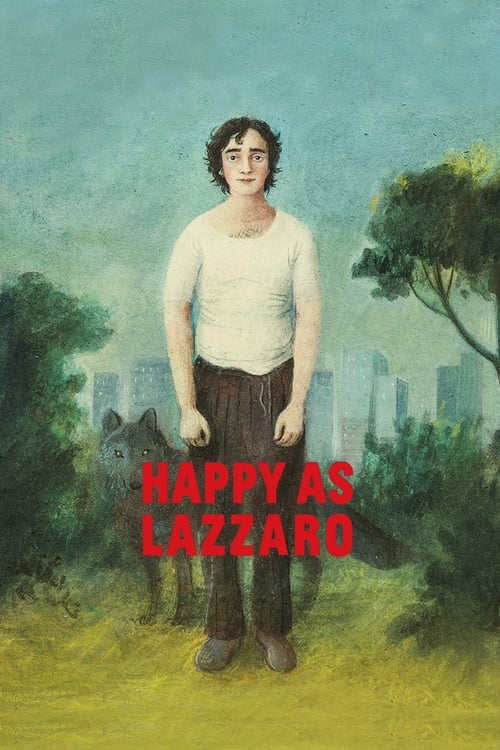
Happy as Lazzaro (2018)
Directed by Alice Rohrwacher
No — Happy as Lazzaro is not especially woke, scoring 37 out of 100 on our wokeness meter.
Alice Rohrwacher's Happy as Lazzaro is a magical-realist fable about debt bondage, aristocratic indifference, and the false promise of progress.
Consciousness Markers
The film is a sustained fable about debt bondage, aristocratic exploitation, and the bank as a devouring institution, explicitly framing modernity's 'progress' as a betrayal of the poor.
The film carries thematic weight about exploitation and false progress, but delivers it through poetic fable and imagery rather than didactic sermonizing.
A female director and a memorably cold matriarch (the Marchioness) are present, but the film's concerns are class and exploitation rather than any feminist thesis.
The cast is a naturalistic ensemble of Italian and European actors; no deliberate diversity casting or representation agenda is present.
There are no LGBTQ+ characters, themes, or subtext anywhere in the film.
The film examines economic bondage among white Italian peasants; race is entirely absent as a theme.
No environmental or climate themes appear; the rural setting is backdrop, not ecological argument.
No body-positivity themes or messaging are present.
Lazzaro's saintly simplicity is a folkloric and spiritual device, not a depiction of neurodivergence in any modern sense.
The sharecropping setting is a magical-realist backdrop rather than a revisionist reframing of documented history.
Why it received this score
Alice Rohrwacher's Happy as Lazzaro is a magical-realist fable about debt bondage, aristocratic indifference, and the false promise of progress. Lazzaro, a purehearted sharecropper on the De Luna tobacco estate, follows orders with a saintly calm. The Marchioness keeps her peasants in perpetual debt, isolated by a washed-out bridge and centuries of habit. The film's animating anger is economic. It treats the bank as a devouring institution and modernity as a betrayal of the poor. That anti-capitalist current runs deep and clear. A female director and a coldly memorable matriarch provide a faint feminist texture, but the thesis remains class exploitation, not gender.
The picture avoids most contemporary cultural markers. There are no LGBTQ themes, no racial consciousness, no climate crusade, no body-positivity messaging, and no clinical interest in neurodivergence. Lazzaro's simplicity is folkloric and spiritual, a device for grace and suffering. The sharecropping setting is not revisionist history; it is a stage for parable. The film also declines to lecture. Its ideas arrive through images: a wolf, a broken slingshot, organ music that leaves a church and follows the poor. The sermon stays off the page. We get poetry instead.
In the second half, Lazzaro wakes unchanged decades later. The peasants are now homeless, scraping by in a city squat. A reunion with Tancredi curdles into humiliation and pastries. At the bank, Lazzaro asks for what belongs to the Marquis and is beaten by a crowd. He dies as the wolf escapes back to the countryside. The ending is bleak, tender, and unresolved. Rohrwacher's film is a serious vintage, complex and bittersweet. It earns its acclaim through craft and feeling, not through a checklist of virtues. We are left with the ache of collective happiness forever deferred.
Analysis generated by our Consciousness Algorithm


Synopsis
Purehearted teen Lazzaro is content living as a sharecropper in rural Italy, but an unlikely friendship with the marquise’s son will change his world.
Questions about Happy as Lazzaro
Is Happy as Lazzaro woke?
No — Happy as Lazzaro is not especially woke, scoring 37 out of 100 on our wokeness meter. That earns it a verdict of Based.
Does Happy as Lazzaro have any woke elements?
1 of the 10 markers register at 30 or above, led by Eat the Rich (70). On Eat the Rich: The film is a sustained fable about debt bondage, aristocratic exploitation, and the bank as a devouring institution, explicitly framing modernity's 'progress' as a betrayal of the poor.
How does Happy as Lazzaro compare to other 2018 movies?
It ranks #56 of the 325 films from 2018 we've scored; their average is 20. The wokest is Return (92).
How is the Woke Score calculated?
An AI-assisted process researches the film and its reception, scores it 0–100 on ten markers, then combines those into one 0–100 Woke Score. It measures a specific set of 2020s cultural themes, not film quality.