Begotten (1991)
Directed by E. Elias Merhige
E. Elias Merhige's Begotten presents a singular challenge to this critical apparatus: it is a film so thoroughly removed from the concerns of contemporary progressive culture that scoring it feels less like analysis and more like attempting to carbon-date a fever dream.
Consciousness Markers
The cast is entirely obscured by masks, body paint, and costuming, rendering any question of representational casting moot. There are no legible bodies here in the sociological sense, only convulsing mythological archetypes.
No LGBTQ+ themes, characters, or subtext are present. The film operates at the level of primal creation myth, not contemporary identity.
The figure of Mother Earth is subjected to graphic ritual violence, which some critics read as allegorical ecological commentary. This is ancient mythological horror, not a feminist argument, and no such framing is advanced by the film.
No racial themes, discourse, or consciousness of any kind is present. The film contains no dialogue and no legible racial identities among its anonymous, obscured performers.
The barren, desolate landscape could be read as a post-apocalyptic environment, but the film makes no climate argument. It is a creation myth, not an environmental message.
No anti-capitalist themes are present. The film is entirely outside the register of economic or class critique, operating instead in the territory of Gnostic theology and Nietzschean philosophy.
Bodies in this film are sites of extreme violence, disembowelment, and torture. The treatment of the body is the opposite of celebratory. Body positivity, as a cultural concept, does not apply.
No neurodivergence themes are present. The film has no characters in a conventional sense, and no psychological or cognitive framing of any kind.
The film engages with creation myth and Gnostic theology, not with historical revisionism. There is no attempt to reframe any historical event or cultural narrative through a modern progressive lens.
The film contains no dialogue, no narration, and no discernible message directed at the audience. It is incapable of lecturing. This is perhaps its single most admirable quality.
Why it received this score
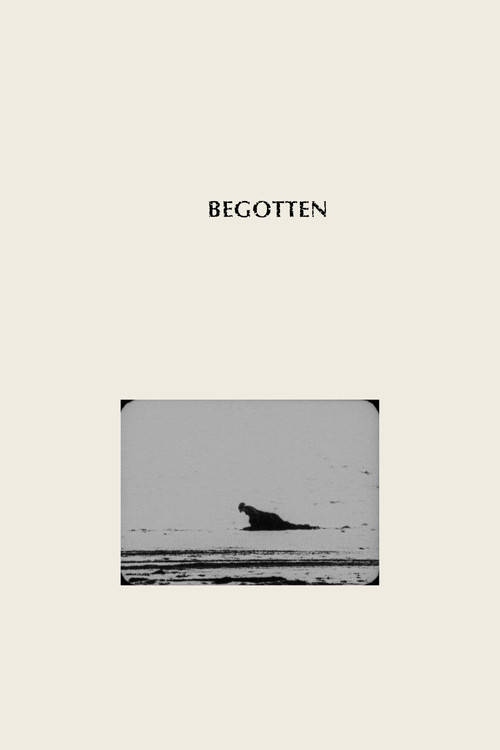
E. Elias Merhige's Begotten presents a singular challenge to this critical apparatus: it is a film so thoroughly removed from the concerns of contemporary progressive culture that scoring it feels less like analysis and more like attempting to carbon-date a fever dream. Shot on high-contrast 16mm film and processed to the point of near-illegibility, the film depicts the death of God, the violation of Mother Earth, and the prolonged torture of a Son of Earth figure, all without a single line of dialogue, a single identifiable face, or a single discernible opinion about systemic inequality. It is, in the most literal sense, pre-ideological. It is also deeply unpleasant to watch, which is a separate matter entirely.
The film's cultural lineage runs through Antonin Artaud's Theatre of Cruelty, Gnostic cosmology, and Merhige's own near-death experience at nineteen. None of these sources have much to say about representation in casting. Critics who have engaged with the film, including Susan Sontag, who championed it with the kind of enthusiasm usually reserved for rediscovered masterworks, have located its meaning in theological and philosophical registers that predate the current cultural moment by several centuries. The figure of Mother Earth endures considerable ritual violence, which some have read as ecological allegory, but the film advances no argument about this. It simply shows it, without comment, in the manner of a document recovered from a civilization that had not yet invented commentary.
For the purposes of this index, Begotten scores a clean zero across all ten markers. This is not a failure of the film. It is, in fact, the most coherent thing about it. Merhige was not making a statement about the world as it is. He was making a statement about the world before language arrived to ruin everything.
Analysis generated by our Consciousness Algorithm
Synopsis
Begotten is the creation myth brought to life, the story of no less than the violent death of God and the (re)birth of nature on a barren earth.