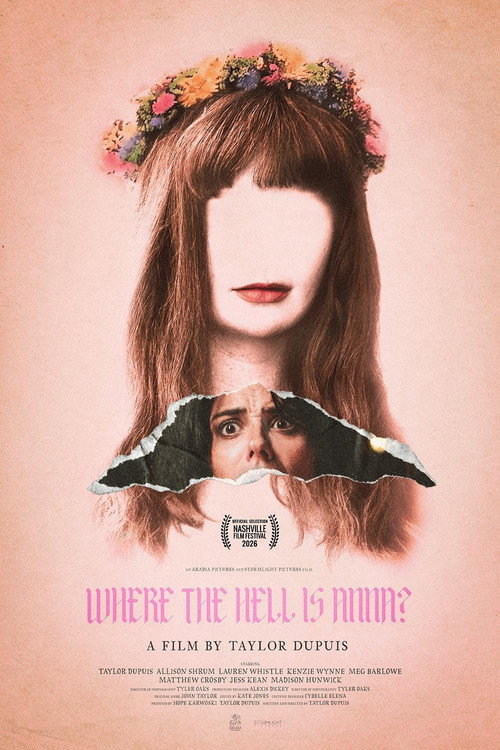
Where the Hell Is Anna? (2026)
Directed by Taylor Dupuis
Where the Hell Is Anna? arrives as a folk horror-comedy about a man infiltrating a women-only pagan commune, which is either a very brave premise or a very obvious one, depending on your tolerance for films that use progressive wellness aesthetics as a backdrop for blood rituals.
Consciousness Markers
The film is steeped in the iconography of female-only spaces, sisterhood mantras, and empowerment language, but deploys all of it as the object of satire rather than sincere advocacy. The commune is a cult. The sisterhood is a trap. The film is less a feminist text than a dark comedy about what happens when feminist aesthetics are industrialized into something sinister.
The film is saturated with the vocabulary of healing, belonging, and empowerment, as these are the cult's primary tools of manipulation. The language of progressive wellness culture is present in abundance. The crucial distinction is that the film is laughing at this language, not delivering it earnestly. The score reflects exposure rather than endorsement.
The film is written, directed, produced by, and stars a woman who has spoken openly about creating opportunities for herself outside traditional studio frameworks. The cast skews female by design, though this follows logically from the premise of a women-only commune rather than from any apparent diversity mandate.
Wellness retreats are, as an industry, a reliable target for anti-capitalist satire, and the commune-as-cult premise brushes against that territory. However, no explicit critique of capitalism or wealth is identified in the research. The score reflects the faint structural implication only.
No LGBTQ+ themes, characters, or subplots are identified in available research or the film's premise. The score is 0.
No racial consciousness themes, commentary, or framing are present in the available material. The score is 0.
The pagan, nature-based commune setting involves solstice rituals and woodland ceremony, but there is no environmental or climate advocacy present. Worshipping the forest is not the same as lobbying for it. The score is 0.
No body positivity themes or commentary are present in the film's premise or available coverage. The score is 0.
No neurodivergence themes, characters, or framing are identified in available research. The score is 0.
The film is an original horror-comedy with no historical setting or revisionist framing. The score is 0.
Why it received this score
Where the Hell Is Anna? arrives as a folk horror-comedy about a man infiltrating a women-only pagan commune, which is either a very brave premise or a very obvious one, depending on your tolerance for films that use progressive wellness aesthetics as a backdrop for blood rituals. Director Taylor Dupuis, who also wrote, produced, and stars in the film, has constructed a funhouse mirror aimed squarely at the language of healing retreats, sisterhood mantras, and flower-crown spirituality. The film's central joke, delivered with apparent sincerity, is that the vocabulary of empowerment and the vocabulary of a cult are, grammatically speaking, indistinguishable.
This creates a scoring challenge of some delicacy. The film is drenched in the iconography of modern progressive wellness culture: solstice ceremonies, fertility symbolism, female-only sacred space, and the kind of affirmations that belong on a tote bag or a ransom note. A naive reading would rack up considerable points. A careful reading reveals that the film is not endorsing any of it. The commune is the villain. Derick, a man, is the hero. The sisterhood is a trap. Dupuis, as a female filmmaker, is doing something genuinely subversive: she is treating the aesthetic language of contemporary feminist spirituality as horror-movie material, which is either a sharp satirical move or a very efficient way to confuse every algorithm designed to classify such things.
The result is a film that scores modestly not because it is timid, but because its progressive surface conceals a deeply skeptical interior. It wears flower crowns. It does not believe in them. For a first feature from the Nashville independent scene, that is a reasonably interesting position to occupy, and the film earns its festival award on the strength of having a point of view, which, in the current landscape, remains a distinguishing characteristic.
Analysis generated by our Consciousness Algorithm

Synopsis
When her estranged best friend Anna mysteriously vanishes into a women-only retreat in the woods, messy and heartbroken Derick crashes the culty pagan commune determined to bring her home. But the longer she stays, the harder it gets to tell who's healing and who's brainwashed. As the Summer Solstice nears and Anna is chosen for a "ceremony" called Induction Day, Derick uncovers disturbing secrets buried beneath the flower crowns and sisterhood mantras, including blood rituals, fertility experiments, and the looming promise of paradise known as Summerland.