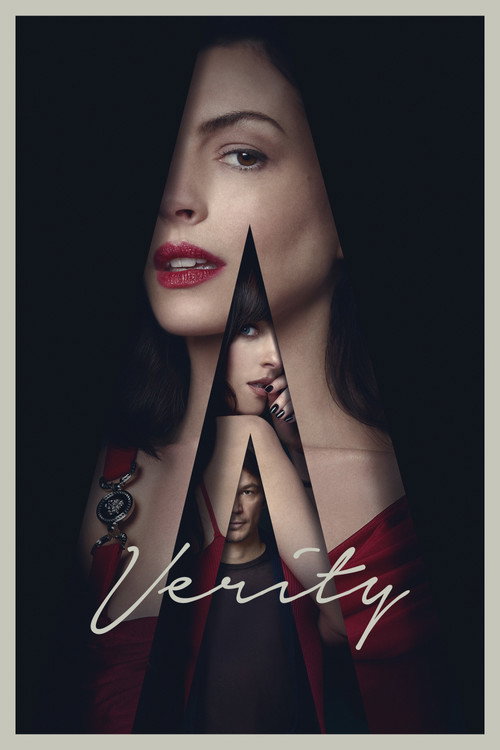
Verity (2026)
Directed by Michael Showalter · $32.6M domestic
Verity arrives as a rare and somewhat refreshing specimen: a studio thriller that is deeply, committedly unconcerned with your growth as a person.
Consciousness Markers
Ismael Cruz Córdova appears in a supporting role, providing a measure of ethnic diversity in an otherwise predominantly white ensemble. No public discourse or deliberate diversity-casting agenda surrounds the film's assembly.
The story is centered on two women and explores dark female interiority, but the narrative frames its female characters as villains, manipulators, and objects of Gothic dread rather than empowerment. This is the antithesis of a feminist agenda film.
No LGBTQ+ characters, themes, or subtext are present in the film or its surrounding press materials.
Race is not a theme, subject, or subtext anywhere in the film's narrative or cultural reception.
No climate or environmental themes are present.
No anti-capitalist or class-critique themes are present, despite the story's setting in a wealthy lakeside estate.
No body positivity themes or messaging are present.
No neurodivergence themes or representation are present.
The film is a contemporary psychological thriller with no historical revisionism.
The film is conspicuously uninterested in moral instruction. It presents unredeemable characters without apology and refuses a corrective arc, which is the opposite of sermonizing.
Why it received this score
Verity arrives as a rare and somewhat refreshing specimen: a studio thriller that is deeply, committedly unconcerned with your growth as a person. Adapted from Colleen Hoover's 2018 novel by Nick Antosca and directed by Michael Showalter, the film deposits Dakota Johnson's struggling ghostwriter into a Vermont lake house full of secrets, a paralyzed woman of unclear menace (Anne Hathaway, operating at a frequency that suggests she has read every page of the source material twice and enjoyed it both times), and a husband who is handsome in the specific way that signals narrative unreliability. The film is a deliberate homage to the 1990s erotic thriller, a genre that was, notably, not preoccupied with social consciousness. It has learned this lesson well.
The central engine of the story is maternal resentment so extreme it crosses into Gothic horror, and the film treats this subject not as an opportunity for healing discourse but as pure, uncut dread. Verity Crawford is not a symbol of systemic oppression. She is a villain in the classical sense, the kind who writes her crimes down in a manuscript and leaves it somewhere findable, because the alternative would be a shorter film. Dakota Johnson, who has made a quiet career of being the most watchable person in projects of variable quality, navigates the film's escalating implausibilities with the serene commitment of someone who has simply decided to believe all of it. Josh Hartnett stands in doorways and looks troubled. The film does not ask him to do more than this, and he does not volunteer.
On the spectrum of progressive cultural markers, Verity registers somewhere between zero and a faint shrug. Ismael Cruz Córdova appears in a supporting capacity, and the film's female-led ensemble technically clears a diversity threshold, but no one involved seems to have considered this a point of emphasis. The film is too busy being about obsession, deceit, and whether a particular manuscript is a confession or a fiction to pause for any form of social instruction. In an era when many thrillers feel compelled to earn their darkness with a redemptive lesson, Verity declines. This is, depending on your disposition, either a relief or a problem. The film has no opinion on which.
Analysis generated by our Consciousness Algorithm
Synopsis
Lowen Ashleigh is hired by Jeremy Crawford to ghostwrite novels for his bestselling author wife Verity, who is unable to finish following an accident. Lowen gradually uncovers Verity's disturbing truths while residing at the Crawfords' home to work.
Critic Reviews
“Ultimately, Verity is just plain fun. It's bloody, but not so bloody that it would be too much for those wary of horror movies; it has some very spicy scenes, but they never feel gratuitous. It's unlikely to be the best thing anyone's seen this year, but it nevertheless proves that an on-screen adaptation of a dark romance novel one might pick up in an airport (an actual joke in the movie) doesn't have to be a cringe-filled, smutty nightmare.”
“Of the Colleen Hoover adaptations so far, Verity is easily the best and most stylish of them all. It plays with more sophisticated themes of writing, truth and trust, the complicated nature of the versions of ourselves we put on the page. The unmoored truth is never resolved here, leaving us with the lesson that the only thing certain is uncertainty, and the only person we can’t trust is ourselves. Verity? Hardly.”
“It’s somehow too clever for its own good but not clever enough.”
“Ultimately, Verity is barely a movie; it's a series of montages in which beautiful people whisper at each other, have extremely passionate sex, commit murder, and snarl menacingly while Dakota Johnson reads aloud from a manuscript that might as well be called "The Exposition." It is a tale. Told by an idiot, full of sound and fury. Signifying nothing.”