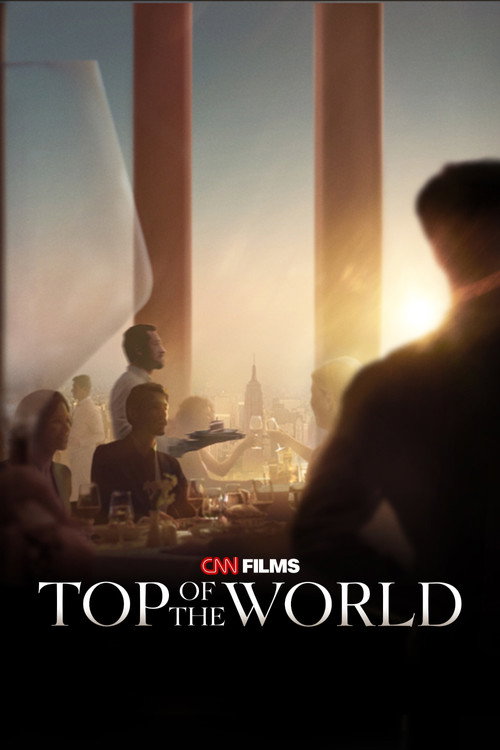
Top of the World (2026)
Directed by Julie Cohen
Julie Cohen and Betsy West, the team responsible for RBG and My Name Is Pauli Murray, arrive at the 25th anniversary of September 11 with a forty-minute documentary about Windows on the World, the restaurant that once occupied the 106th and 107th floors of the North Tower.
Consciousness Markers
The film explicitly foregrounds the multi-ethnic, multilingual immigrant workforce of Windows on the World, and the director's own promotional statements frame this as the documentary's social thesis. The diversity is historically accurate, but the editorial decision to center it is a deliberate modern choice.
The immigrant and multi-ethnic character of the workforce is a foregrounded theme, and the film draws an explicit line between racial and national diversity and the restaurant's cultural significance. It stops short of a structural racism argument, but the racial lens is clearly present.
Sekou Siby's labor organizing work and the Restaurant Opportunities Center receive screen time, giving the film a discernible labor-rights thread. However, the film also celebrates Windows on the World as a triumphant commercial institution, which blunts any anti-capitalist edge considerably.
The subject matter keeps the film largely grounded in grief and memory, and the sermonizing impulse is constrained accordingly. Cohen's promotional framing carries more lecture energy than the film itself appears to deliver.
The film is co-directed by two women with a track record of female-centered documentaries, and female voices including Ruth Reichl and Carol Jenkins feature prominently, but the film does not advance a feminist argument about the restaurant industry or its subjects.
No LGBTQ themes, characters, or framing appear in the documentary or its surrounding coverage.
No climate or environmental content of any kind appears in the film or its coverage.
No body positivity themes or framing are present in this documentary about a restaurant and its workers.
No neurodivergence themes or representation appear anywhere in the film's content or coverage.
The film does not challenge or reframe the established historical record of 9/11 or the restaurant itself. It adds working-class perspectives, but this is expansion rather than revision.
Why it received this score
Julie Cohen and Betsy West, the team responsible for RBG and My Name Is Pauli Murray, arrive at the 25th anniversary of September 11 with a forty-minute documentary about Windows on the World, the restaurant that once occupied the 106th and 107th floors of the North Tower. The film's central structural choice is to balance the glamour of high-end 1970s New York dining with the stories of the immigrant kitchen and floor staff who actually ran the place. A workforce that collectively spoke sixty languages and was described by its own members as "the U.N. of restaurants" is, it turns out, a genuine historical fact about this particular establishment, not a casting decision. The film earns its diversity narrative by simply reporting what was there.
Where the documentary edges toward the contemporary progressive register is in its deliberate elevation of labor over luxury. Sekou Siby, a prep cook from the Ivory Coast who survived because of a shift swap and subsequently co-founded a restaurant workers' rights organization, receives significant screen time. The film is clearly interested in him not merely as a 9/11 survivor but as a labor activist, and the Restaurant Opportunities Center gets its moment. Director Cohen's promotional statements about "the contributions of immigrant New Yorkers" signal that the film knows exactly which contemporary conversation it is entering. The racial consciousness and anti-capitalist markers register, but modestly: this is a documentary about working-class people who loved their jobs at a place that made a great deal of money, and the film treats that complexity with more care than a simple "eat the rich" framework would allow.
The remaining markers are essentially absent. There are no LGBTQ themes, no climate content, no body positivity framing, no neurodivergence discussion, and no revisionist history of any kind. The lecture energy is kept in check by the weight of the subject matter: it is difficult to maintain a hectoring tone when the building came down. This is a memorial documentary that carries its progressive sympathies lightly, which, from a purely taxonomic standpoint, represents a degree of restraint that the genre does not always manage.
Analysis generated by our Consciousness Algorithm
Synopsis
Explores Windows on the World, the iconic restaurant that occupied the 106th and 107th floors of the North Tower of the World Trade Center.