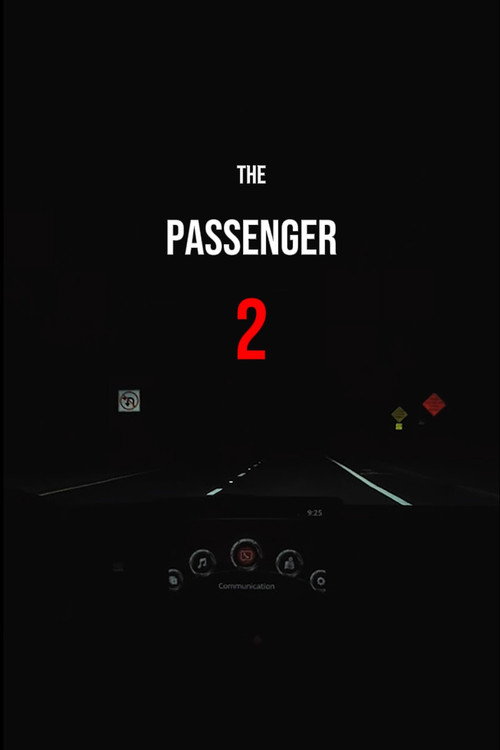
The Passenger 2 (2026)
Directed by Dia Fitzgerald
The Passenger 2 is a six-minute short film about a rideshare driver and his intrusive thoughts, which is either a psychological thriller or a very tense Yelp review waiting to happen.
Consciousness Markers
The driver's intrusive thoughts are the film's central dramatic engine, which brushes against neurodivergence territory. However, the framing appears to be thriller suspense rather than advocacy or destigmatization, keeping the score minimal.
No evidence of casting motivated by diversity or representation mandates. With a two-person cast in a six-minute short, no such agenda is detectable.
No LGBTQ+ characters, themes, or subtext are present in any documented material about this film.
The film's premise centers on a male driver's intrusive thoughts. No feminist framing or gender-politics messaging is evident.
No racial commentary, systemic racism themes, or racially conscious framing has been identified in this film.
The rideshare setting offers no documented climate messaging. The Uber car is a plot container, not a political statement.
While the gig economy backdrop could theoretically invite anti-capitalist editorializing, no evidence suggests the film pursues this angle.
No body positivity themes or messaging are present in any available material.
This is an original contemporary thriller. There is no historical subject matter to revise.
In six minutes, there is no documented evidence of sermonizing, moral instruction, or message-delivery of any kind.
Why it received this score
The Passenger 2 is a six-minute short film about a rideshare driver and his intrusive thoughts, which is either a psychological thriller or a very tense Yelp review waiting to happen. Director Dia Fitzgerald, who also appears as the passenger, has constructed a premise of admirable economy: two people, one car, one man's deteriorating inner monologue. The cultural footprint of this film is, to put it generously, intimate. No major publications have reviewed it. No discourse communities have claimed it. It exists in a state of serene cultural invisibility that most films would envy.
From a social consciousness standpoint, The Passenger 2 presents a challenge of a different kind: there is essentially nothing to measure. The gig economy setting could, in more ambitious hands, have become a platform for commentary on labor precarity, algorithmic exploitation, or the quiet indignities of platform capitalism. It does not. The intrusive thoughts could have been framed as a destigmatization exercise in the tradition of mental health advocacy cinema. They are not, or at least there is no evidence they are. The film appears to be interested, refreshingly, in suspense for its own sake.
We are left, then, with a score that hovers near the floor, a single modest acknowledgment that a film centering on a man's uncontrollable mental intrusions grazes the subject of neurodivergence without apparently meaning to make a point about it. This is the cinematic equivalent of accidentally walking through a protest. The film is not commenting on the gig economy, not interrogating power structures, and not asking us to examine our assumptions about anything in particular. In the current landscape, that is its own quiet achievement.
Analysis generated by our Consciousness Algorithm
Synopsis
An uber driver picks up his client when his intrusive thoughts cause him to want to do awful things.