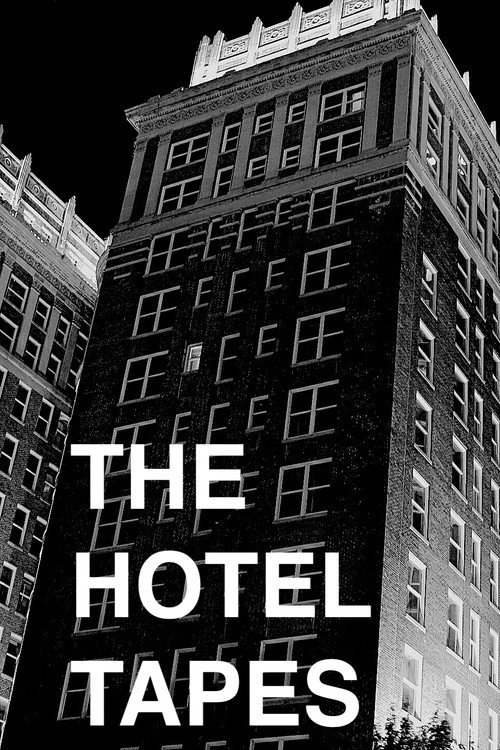
The Hotel Tapes (2026)
Directed by Donovan Skirvin
The Hotel Tapes arrives in 2026 with the quiet confidence of a film that has nothing to prove and, according to all available evidence, very little to say about systemic inequality.
Consciousness Markers
No evidence of casting decisions made with diversity mandates or representational intent in mind. The ensemble appears assembled for the story's needs rather than demographic signaling.
No LGBTQ+ characters, themes, or subtext have been documented in any available material about the film.
The premise offers no indication of feminist framing. Female characters appear to be participants in a mystery ensemble, not vessels for gender commentary.
No racial themes, systemic racism commentary, or racially conscious framing has been identified in any synopsis, review, or cultural discussion of the film.
A ghost in Oklahoma distributing sinister packages does not, to our knowledge, constitute a climate allegory. No environmental messaging has been identified.
No anti-capitalist or class-warfare themes are present in the available materials. The film appears to be interested in mystery rather than economic critique.
No body positivity themes or messaging have been identified in any available material.
No neurodivergent characters or related themes have been documented in connection with this film.
The film is a contemporary crime thriller with no historical setting or apparent interest in recontextualizing the past.
With no critical coverage and no documented social messaging of any kind, the film exhibits no measurable tendency to editorialize at the audience.
Why it received this score
The Hotel Tapes arrives in 2026 with the quiet confidence of a film that has nothing to prove and, according to all available evidence, very little to say about systemic inequality. A dispersed group of friends receives packages from a ghost in Oklahoma and proceeds to unravel sinister clues. This is, by the standards of the current cultural moment, a remarkably straightforward premise. No one is being asked to examine their privilege. The ghost does not appear to represent late-stage capitalism.
Director Donovan Skirvin comes from a background in audio composition and animation, with roots in the kind of independent, texture-forward creative work that tends to prioritize atmosphere over agenda. The cast is largely unknown, which in practice means no one has arrived on set fresh from a TED Talk. Lyndzee Walker, one of the few cast members with a documented public footprint, has written about media representation and aging in student publications. This is the closest the film comes to a political footprint, and it is, to put it plainly, not very close at all.
The result is a crime thriller that appears content to be a crime thriller. In the current landscape, this is itself a kind of achievement. The film scores across all ten markers of progressive cultural consciousness with the collective weight of a postcard from a state that does not have a film commission. We will be watching its release with the detached curiosity of a researcher who has, at last, found a control group.
Analysis generated by our Consciousness Algorithm
Synopsis
A ragtag group of friends, scattered across the country, begin to receive packages from a ghost in Oklahoma. One by one, they piece together a series of sinister clues, growing closer to each other and to a truth none of them are prepared to learn.