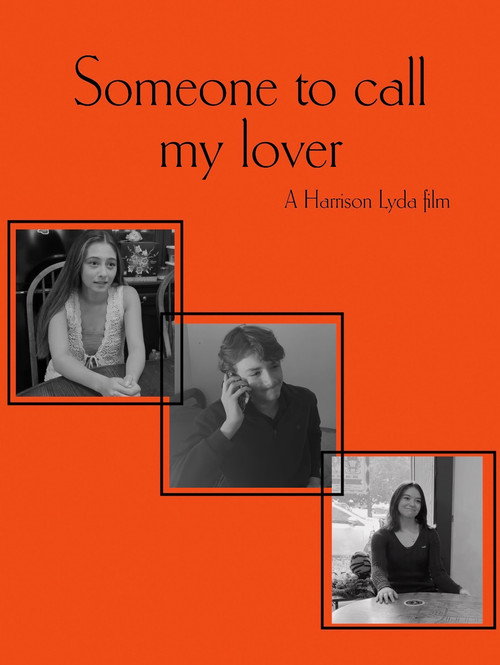
Someone to Call My Lover (2026)
Directed by Harrison Lyda
We arrive, periodically, at films that test the very premise of this critical exercise.
Consciousness Markers
No evidence of deliberate representation casting choices. The film is a small independent Alabama student-adjacent production with no documented diversity mandate.
No LGBTQ+ themes, characters, or subtext were identified in the film's premise or any available research.
The film centers on a lonely man named Rick making phone calls. There is no identifiable feminist framing or agenda present.
No racial themes, commentary, or consciousness-raising elements were found in the premise or surrounding cultural discourse.
A man makes phone calls to find companionship. The carbon footprint of this activity goes entirely unexamined. No climate messaging detected.
No critique of capitalism, wealth, or economic systems is present. The film is, by all available evidence, about loneliness and telephone usage.
No body positivity themes or messaging were identified in the film or its surrounding materials.
No neurodivergent characters, themes, or representations were identified in any available materials.
This is an original romantic comedy with no historical setting. There is nothing to revise.
No evidence of sermonizing, moralizing, or any impulse to instruct the audience on social matters. Rick simply wants someone to talk to.
Why it received this score
We arrive, periodically, at films that test the very premise of this critical exercise. "Someone to Call My Lover" is a 2026 independent short from Alabama, directed by Harrison Lyda, in which a man named Rick is lonely and makes phone calls. This is the plot. We have examined it from multiple angles, and it remains the plot.
The film presents no feminist framework, no racial consciousness, no LGBTQ+ representation, no climate allegory, and no critique of late-stage capitalism. Rick does not appear to be neurodivergent in any coded or explicit sense. History is not revised. The audience is not lectured. A man picks up a telephone and attempts to connect with another human being, which is, by the standards of this analytical framework, almost aggressively neutral. The casting appears to reflect the available talent pool of regional Alabama high school theater, which is its own kind of authenticity.
It is, in the final accounting, a short romantic comedy made by young people in Alabama about loneliness. The cultural threat level is negligible. We note this not as praise or condemnation, but as a matter of record, the way a seismologist notes a perfectly still morning. The instruments are calibrated. There is simply nothing to measure.
Analysis generated by our Consciousness Algorithm
Synopsis
Rick is lonely, so he starts making phone calls to find someone.