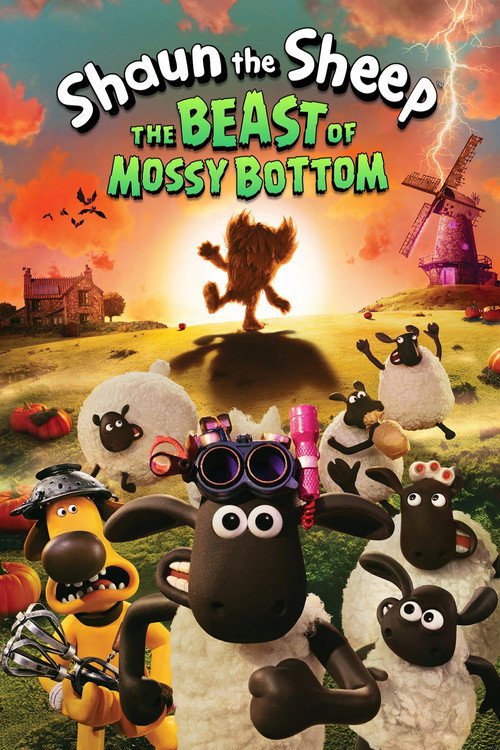
Shaun the Sheep: The Beast of Mossy Bottom (2026)
Directed by Steve Cox
Aardman Animations has, for several decades now, been conducting a quiet experiment: determining whether it is possible to make a film that contains absolutely no dialogue, no identity politics, no discourse, and no discernible agenda beyond the precise placement of small clay eyeballs.
Consciousness Markers
The film is entirely non-verbal, featuring animal and sound-effect performances. There are no human characters with dialogue through which identity-based representation could be expressed or signaled.
No LGBTQ+ themes, characters, or references of any kind are present or reported in any critical coverage of the film.
The film contains no gender-focused narrative or feminist messaging. Its core themes are universal childhood morals with no gendered framing.
No racial consciousness themes are present. The central characters are sheep, a farmer, and a beast, none of whom engage with race as a concept.
The pumpkin patch destruction is a plot device for slapstick, not an environmental allegory. No climate or ecological messaging is identified in any coverage.
The setting is a small British farm with no corporate villains, wealth critique, or economic commentary of any kind.
No body positivity themes are present. The film does not engage with human body image in any form.
No neurodivergence themes or characters are identified. The Farmer's clumsiness is played purely for slapstick effect with no clinical framing.
The horror genre homages are affectionate parody, not revisionist reframing. Classic horror tropes are referenced without critique or ideological reinterpretation.
The film is entirely dialogue-free. It is structurally incapable of delivering a lecture. This is noted without irony.
Why it received this score
Aardman Animations has, for several decades now, been conducting a quiet experiment: determining whether it is possible to make a film that contains absolutely no dialogue, no identity politics, no discourse, and no discernible agenda beyond the precise placement of small clay eyeballs. "Shaun the Sheep: The Beast of Mossy Bottom" represents the latest data point in that experiment, and the results are, frankly, alarming in their purity. A sheep attempts science. A beast lurks in some woods. A farmer ruins a pumpkin patch. The film offers no further commentary on the state of the world, and we are left to sit with that.
The horror genre homages, critics have noted, are extensive: Frankenstein, Psycho, Halloween, and the music video for Thriller are all apparently present and accounted for. This is, of course, a form of revisionist engagement with cinema history, except that it is not, because Shaun the Sheep is not revising anything. It is simply pointing at old horror films and making a sheep look frightened, which is a completely legitimate artistic choice and one that carries zero ideological freight. The themes, per family guidance organizations, are loyalty, friendship, and taking responsibility for mistakes. These are pre-woke concepts. They are, in fact, pre-everything concepts. They are the themes of cave paintings.
We have now completed a thorough forensic examination of this film across all ten markers of contemporary progressive sensibility and found, to no one's great surprise, precisely nothing. The film is dialogue-free, which is, in retrospect, an extraordinarily effective strategy for avoiding cultural controversy. Aardman has stumbled upon, or perhaps deliberately engineered, the perfect defense: you cannot lecture an audience if your protagonist communicates exclusively through panicked bleating. This is a lesson the broader film industry has, thus far, declined to absorb.
Analysis generated by our Consciousness Algorithm
Synopsis
On Halloween Eve at Mossy Bottom Farm, excitement turns to dismay when the clumsy Farmer ruins the pumpkin patch. Shaun tries fixing it with science experiments, but things go wrong when a wild beast appears in the woods.