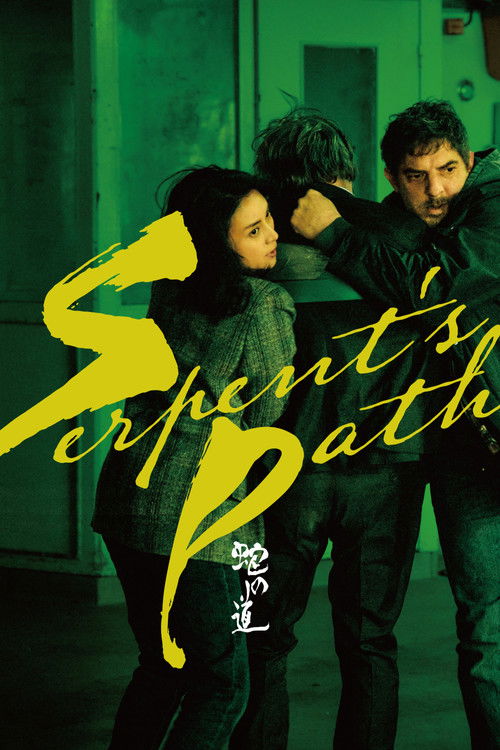
Serpent's Path (2024)
Directed by Kiyoshi Kurosawa
Kiyoshi Kurosawa remaking his own 1998 V-Cinema thriller in French, with a gender-swapped lead and an updated villain network transposed from Yakuza snuff operations to a European organ-trafficking foundation, is the kind of creative decision that demands a certain taxonomic seriousness.
Consciousness Markers
The film pairs a French male lead with a Japanese female expatriate lead in a Paris setting, a deliberate cross-cultural casting choice. The 2024 remake gender-swapped the original male accomplice role to a woman, a structural decision the director openly acknowledged as intentional.
The antagonist network is framed as a corporate foundation staffed by wealthy European elites engaged in child organ trafficking, an Epstein-class conspiracy that positions institutional power and capital as the engine of exploitation. The critique is implicit and genre-functional rather than polemical.
The gender-swap of the original's male mastermind into a cold, authoritative female psychiatrist does carry a faint feminist charge, placing a woman in the position of clinical power and controlled menace. It is, however, a structural choice in service of psychological unease rather than a thesis statement about gender.
The cross-cultural dynamic between a Japanese woman and a French man operating in a bleak European city is present but not interrogated as a racial or ethnic commentary. The film treats Sayoko's foreignness as atmospheric texture, not political subject matter.
Critics noted the film gestures toward commentary on systemic complicity and the weaponization of conspiracy thinking, but Kurosawa delivers these ideas through atmosphere and moral ambiguity rather than sermonizing. The film does not explain itself to you.
No LGBTQ+ characters, themes, or subtext are present in the film. The narrative is entirely occupied with grief, revenge, and institutional violence.
No climate themes, environmental messaging, or ecological anxiety of any kind appears in the film. The world-ending concern here is strictly interpersonal and criminal.
Body positivity is entirely absent. Bodies in this film are primarily sites of harm and investigation, which is a different conversation altogether.
No characters are framed through a neurodivergence lens, and the film shows no interest in that discourse. Sayoko's clinical detachment reads as characterization, not a neurodivergence signifier.
The film is not engaged with history, revisionist or otherwise. It is set in a contemporary, alienated present with no historical reclamation agenda.
Why it received this score
Kiyoshi Kurosawa remaking his own 1998 V-Cinema thriller in French, with a gender-swapped lead and an updated villain network transposed from Yakuza snuff operations to a European organ-trafficking foundation, is the kind of creative decision that demands a certain taxonomic seriousness. We are obligated to assess what, if anything, has been added to the progressive ledger. The answer is: a modest amount, applied with considerable restraint, which is itself a kind of statement.
The gender-swap of the original's male accomplice into Sayoko, a composed Japanese psychiatrist who orchestrates the kidnapping and torture of powerful European men from a position of eerie calm, does register on the feminist axis. A woman in command of the violence, directing a grieving father's rage with clinical precision, is not a neutral choice. And yet Kurosawa deploys this not as vindication or empowerment but as unsettlement, the female authority figure here is terrifying, not triumphant, which tends to defuse the conventional progressive reading before it can settle. The anti-capitalist undertow is similarly present but genre-absorbed: the villains are foundation board members, the crime is systemic, and the least powerful bear the most accountability. This is good filmmaking instinct. It is not a TED talk.
What keeps the film's social consciousness score modest is the film's own indifference to its social consciousness. Kurosawa is not interested in your takeaway. The cross-cultural pairing of a Japanese expatriate and a French father in a grey, alienated Paris exists to produce dread, not a conversation about representation. The conspiracy-as-critique arrives without a corrective. Nobody learns anything, nobody is redeemed, and the film declines to tell you how to feel about any of it. In the current landscape of cinema that explains its own politics at length, this is, if not a virtue exactly, then at least a mercy.
Analysis generated by our Consciousness Algorithm

Synopsis
A mysterious woman teams up with a man whose daughter was killed and who is now seeking revenge. Together they kidnap members of an organization and torture them to find out what really happened.